A washing machine that backs up and overflows, or a dishwasher that leaks onto the kitchen floor, is not the same problem as a clean supply line break. Both push out gray water: used water carrying soap, food residue, grease and whatever else was in the wash. It looks harmless. It is not something to mop up and forget about in a Hollywood, FL kitchen or laundry room.
Where Gray Water Fits
Gray water is the middle tier of contamination. It is not the clear water from a fresh supply pipe, and it is not sewage. It comes from appliances and fixtures that carry water already mixed with organic matter, detergent or food particles. That mix is exactly why it needs to be treated differently from a simple leak in a Hollywood home.
How a Washing Machine Overflows
A washing machine supply hose failure or a dishwasher that backs up onto the kitchen floor counts as gray water because it carries soap, food residue, and grease rather than clean tap water. In Hollywood homes near Liberia or Driftwood, that water sits on tile or terrazzo far longer than it looks like it does, tracking under baseboards before anyone notices.
How a Dishwasher Leaks Slowly
A dishwasher leak is usually slower. A worn door seal, a cracked hose, or a clogged air gap lets water seep out with every cycle instead of all at once. In a Driftwood or Boulevard Heights kitchen, that slow seep can sit under cabinets for days before the toe kick swells or the floor near the sink feels soft.
Why the Contamination Risk Matters
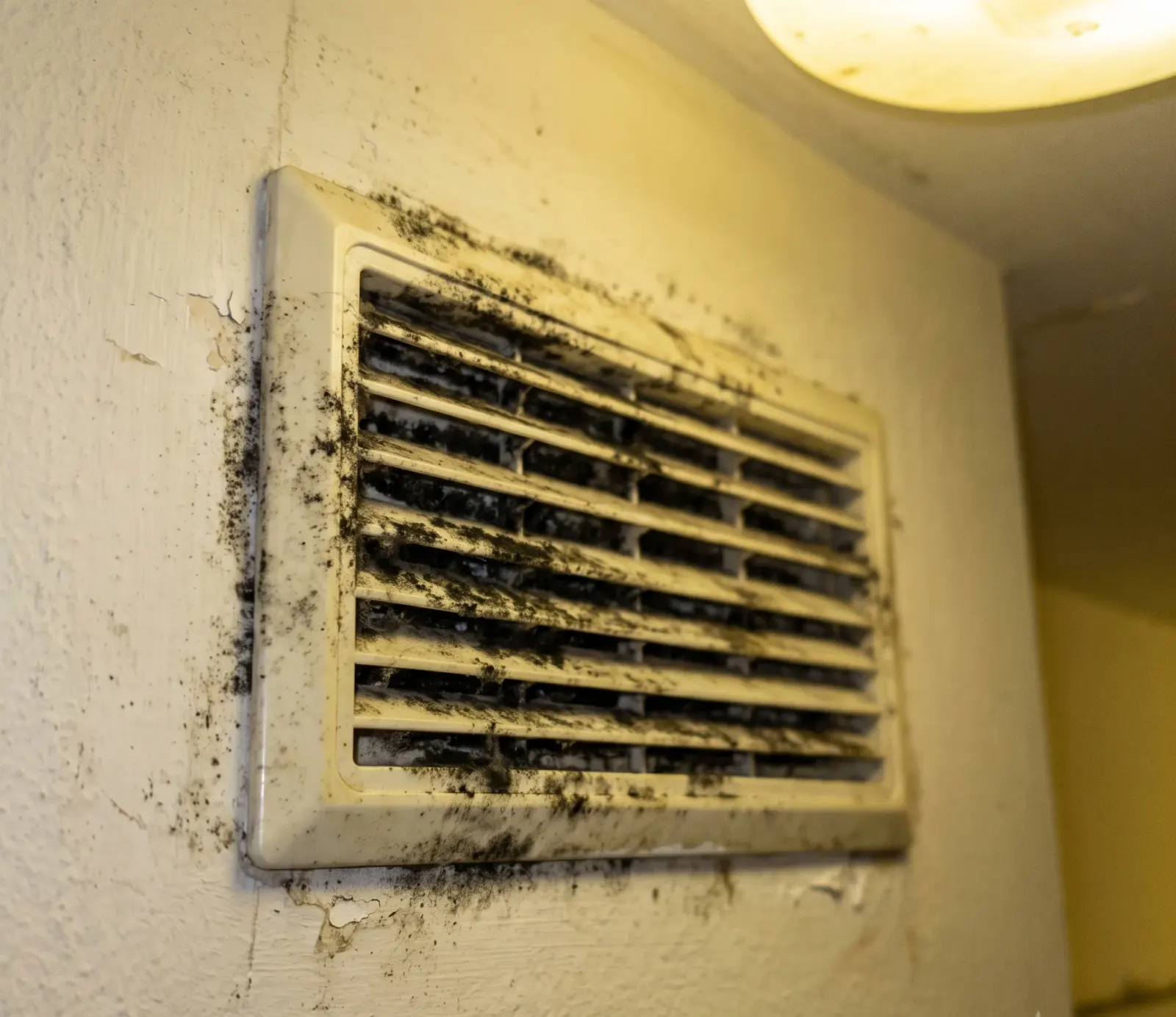
The organic content in gray water is the real concern. Detergent residue, grease, and food particles from a dishwasher, or soap and lint from a washing machine, give bacteria something to feed on. Left wet for even a day or two, especially in Hollywood's humidity, that combination starts to smell and starts to grow mold on cabinet backs and flooring.
Why Hard Flooring Hides the Problem
Terrazzo and tile floors common in older Hollywood homes make this harder to judge by looking. The surface can dry while the slab underneath, and the underlayment along the wall line, stays wet. A dishwasher leak that seemed minor on the surface can still leave the cabinet toe kick and adjacent wall damp well after the floor looks fine.
What Happens to Cabinets
Cabinets take the worst of it in both cases. A washing machine overflow runs along the baseboard into the cabinet below the sink or into a laundry closet's particleboard shelving. A dishwasher leak sits right against the cabinet box it's installed in. Particleboard and MDF swell and delaminate faster than solid wood once gray water reaches them.
What Happens Behind the Walls
The furring strips and drywall behind kitchen and laundry walls in a typical Hollywood concrete block home don't dry the way people expect. Water that tracks behind a baseboard or under a cabinet toe kick reaches the block and the wood furring it's mounted on, and that assembly holds moisture long after the drywall face feels dry to the touch.
Why Timing Changes the Outcome
Timing matters more than volume with gray water. A small dishwasher leak caught the same day is a wipe-down and a fan overnight. The same leak left through a Hollywood weekend, with the AC running and humidity doing its part, is a different job — one where cabinets, flooring, and the wall behind them all need to be checked, not just dried on the surface.
Not Every Leak Is the Same Scale
Not every gray water event needs the same response. A washing machine hose that pops and drains a few gallons across a laundry room floor in Liberia or West Park is a contained cleanup. A dishwasher that's been leaking unnoticed for a week under the cabinets is a different scale of problem, even though both started as the same category of water.
When Odor Signals a Bigger Issue
Odor is often the first real sign something in the gray water category has gone past a quick cleanup. If a kitchen or laundry area in a Hollywood Lakes or Downtown Hollywood home smells off a day or two after a leak, that's usually the organic content in the water doing exactly what it does when left in a warm, humid space.
What This Means for Your Home
Category 2 gray water is contaminated wastewater from a source without sewage: a washing machine that overflowed, a dishwasher line that split, or a failed supply hose behind an appliance in a Hollywood Hills or Emerald Hills kitchen. It carries soap, food residue, and some bacteria, so it is treated more cautiously than a clean supply-line break but does not carry the risk a sewage backup does.
Dealing with this in your home?
A ceiling stain days after a storm rarely marks the spot where water got in. On flat-roofed homes near Hollywood Hills or Emerald Hills, water travels along framing before it drops, so the wet insulation and drywall can sit yards from the actual break in the membrane or a clogged drain.