A waterline of salt residue on drywall or baseboards
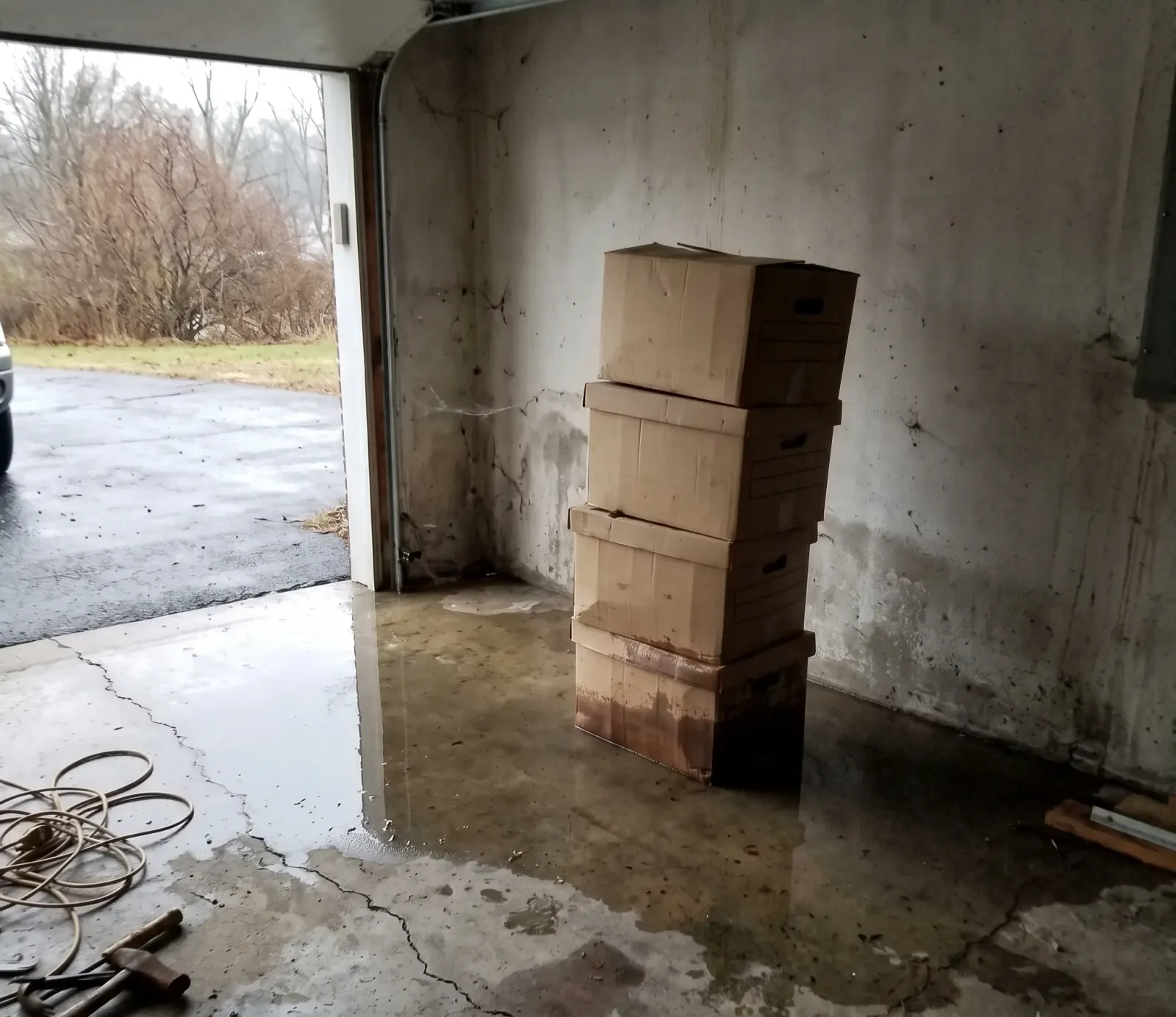
A waterline staining low on exterior or interior walls, often a foot or more up from the floor, means surge water entered from outside rather than from a pipe or fixture inside the home.
Peaks during hurricane season, with king tides adding risk in fall
Storm surge flooding is seawater pushed inland by a hurricane or tropical storm, entering homes at ground level rather than through a pipe or roof failure. In Hollywood, it typically affects homes closest to the Intracoastal Waterway and the beach corridor first. Because it is contaminated seawater, response differs from a clean water loss, and homeowner's insurance typically excludes it without separate flood coverage.
Sewer lateral backups near US-1 diagnosed before anything gets opened up
A waterline staining low on exterior or interior walls, often a foot or more up from the floor, means surge water entered from outside rather than from a pipe or fixture inside the home.
Silt, sand, or debris left on flooring after water recedes points to storm surge rather than a clean-water source like a water heater failure or toilet overflow, and it signals contaminated water handling is needed.
A sulfur or brackish odor lingering after floodwater recedes, distinct from a sewage backup smell, suggests seawater soaked into flooring or drywall and needs drying and testing rather than just surface cleanup.
Swollen baseboards or cabinet toe-kicks at a consistent height across multiple rooms means the water rose and sat rather than leaking from one fixture, which points away from a slab leak or single burst pipe.
Corroded outlets or switches near floor level after a storm means saltwater reached electrical components, and the circuit should be checked by a licensed electrician before power is restored to that area.
Hollywood sits at a low, single-digit-to-low-double-digit elevation above sea level, with neighborhoods near the Intracoastal Waterway and State Road A1A sitting closest to open water. That low ground makes surge from a tropical system or hurricane a realistic threat rather than a remote one.
Areas closer to Port Everglades and the beachfront corridor face more direct surge exposure than inland neighborhoods like Hollywood Hills or Emerald Hills, though heavy regional rain events have separately caused flooding well away from the coast.
Older sections of Liberia and Driftwood have plenty of low-pitch roof lines, the kind that rely entirely on unclogged drains to move rain off rather than gravity doing the work. When one clogs, the ceiling stain often turns up rooms away from where the water actually got in, which is easy to misread.
regular rain flooding. A homeowner near Hollywood Beach or the Intracoastal Waterway may first suspect a roof leak or an AC condensate line clog when water shows up along baseboards, since both can leave similar staining. The difference is direction and reach: storm surge enters from ground level and moves inward across an entire floor, while a condensate clog or flat roof leak stays localized to one ceiling or wall run.
On arrival, the licensed pros we connect you with check how far the surge line reached inside the structure and test moisture behind baseboards, under shower pans, and inside cabinet toe-kicks. Surge water travels along the lowest path, so a wet spot near a toilet or a P-trap under a sink does not automatically mean plumbing failure.
Because surge water is considered contaminated, extraction and disposal follow different handling than a clean burst pipe or supply line leak. Porous materials that absorbed floodwater, including carpet pad and lower drywall, are typically removed rather than dried in place, and affected cast iron pipe runs or fixtures get inspected for lingering contamination.
Slab foundations sit close to the water table across Hollywood, from Hollywood Lakes to Emerald Hills, which limits how a wet slab or wall base can dry on its own. Add the humidity typical of this area and materials left damp near the Intracoastal Waterway or inland toward Liberia stay wet longer than most owners expect, not less.
| Fast Water Cleanup Response | Local Help, No Guesswork |
|---|---|
| Connecting Hollywood homes with licensed drying pros fast | Same-Day Water Extraction |
| Standing water near Young Circle and A1A calls for fast drying | Hollywood Water Experts |
| Water damage help across Hollywood, from Lakes to Emerald Hills | Licensed Pros Near Young Circle |
Storm surge is not a plumbing problem, so it does not behave like one. There is no burst pipe or supply line to shut off, no P-trap to clear. Once surge water has crossed the Broadwalk or pushed inland toward Hollywood Lakes, the only real move is staying out of it. Standing seawater carries sewage, fuel, and debris. Do not wade through it, run a generator near it, or flip breakers with wet hands. Wait for it to recede, then call for an assessment before touching anything electrical or opening walls.
Surge water is not clean rain runoff. It has crossed streets, yards, and drainage carrying whatever a storm picked up along the way, so contact with skin cuts, eyes, or open wounds can cause irritation or infection well before any mold has a chance to grow. Once carpets, drywall, and cast iron pipe fittings stay wet, mold can begin colonizing within a day or two in Hollywood's heat and humidity. The CDC lists coughing, wheezing, sore throat, and skin rash among common reactions, with more serious risk for people with asthma, mold allergies, or weakened immune systems.
Water sitting under a slab or behind a Hollywood living room wall does not wait for a convenient morning. Once carpet pad, drywall, or baseboards near Hollywood Lakes or Emerald Hills stay wet, the clock the EPA describes for mold onset is already running. A call now gets the licensed pros we connect you with looking at the actual source before it spreads.Once damp material near Hollywood Lakes or Emerald Hills has sat long enough for growth to start, the job stops being a drying job. Assessment and remediation carry their own line items apart from extraction, and you want both numbers written down before anyone begins rather than explained afterward. pricing guide, and the service that handles this is Storm & Hurricane Damage Restoration.
Tidal Flooding, Not Storm Damage. King tide flooding is water pushed into streets and low-lying yards by the year's highest predicted tides, most common in Hollywood in the fall.
Hollywood Water Damage Causes. A shower pan leak is a failure in the waterproof tray under a shower floor, not the visible tile.
Water Damage Causes. A burst supply line is a sudden failure of a pressurized water pipe feeding a fixture, appliance, or the house itself, releasing water continuously until the main is shut off.
Not usually. Storm surge is generally excluded under a standard homeowner's policy and is typically covered only under a separate flood insurance policy. Whether a specific loss is covered depends on the policy actually in force, so read the declarations page or ask the carrier directly.
Homes nearest the Intracoastal Waterway and the beachfront strip near A1A face the most direct exposure. Inland neighborhoods such as Hollywood Hills and Emerald Hills sit at somewhat greater distance from open water, though heavy rain flooding has affected areas beyond the coast too.
Storm surge is saltwater pushed inland by hurricane winds, distinct from king tide flooding around Hollywood Beach. It carries sediment and contaminants that regular flooding doesn't, so drywall and flooring touched by surge water usually can't be salvaged. Homeowner policies exclude storm surge entirely; only a separate flood policy through the National Flood Insurance Program responds to this cause.
Leave the property until water has fully receded and avoid contact with standing water where possible. Do not run electrical equipment in wet areas. Once it is safe, document the water line and call for an assessment before opening walls or cabinets yourself.
A sewer lateral running under a slab near Hollywood Boulevard or Sheridan Street is the homeowner's line, and backups blamed on the house drain sometimes start there instead.
Call (954) 676-1222