Hollywood homeowners tend to notice mold more than once, and there's a reason for that. The rainy season, the way local homes are built, and how close the water table sits to the surface all work together here. None of it is random or bad luck. It's just what this stretch of Broward County does to a building.
A Rainy Season That Doesn't Let Up
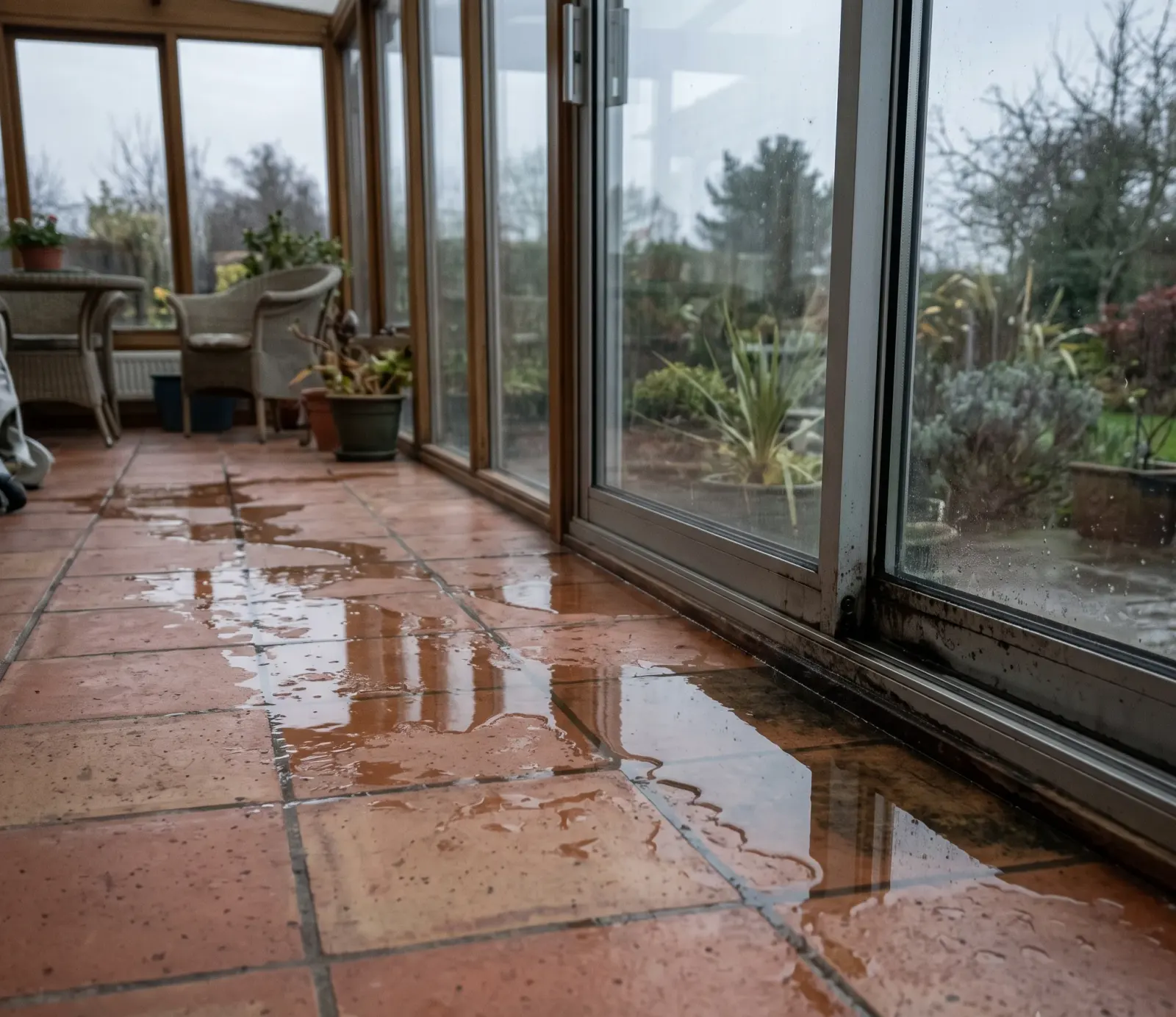
South Florida's rainy season runs roughly May through October and brings about two-thirds of the year's total rainfall in that stretch. Broward County logged 86.5 inches in 2023, its second-highest total on record. For a home in Hollywood, that's months of sustained moisture pressure on roofs, walls, and window seals, not just the odd storm.
Humid Air Slows Everything Down
Hollywood sits low against the Intracoastal Waterway with ground water sitting close to the surface, and the rainy season from May through October brings most of the year's total rainfall in one long stretch. That leaves less of the year where a wet wall or a soaked carpet gets a real break to dry out on its own.
The 24 to 48 Hour Window
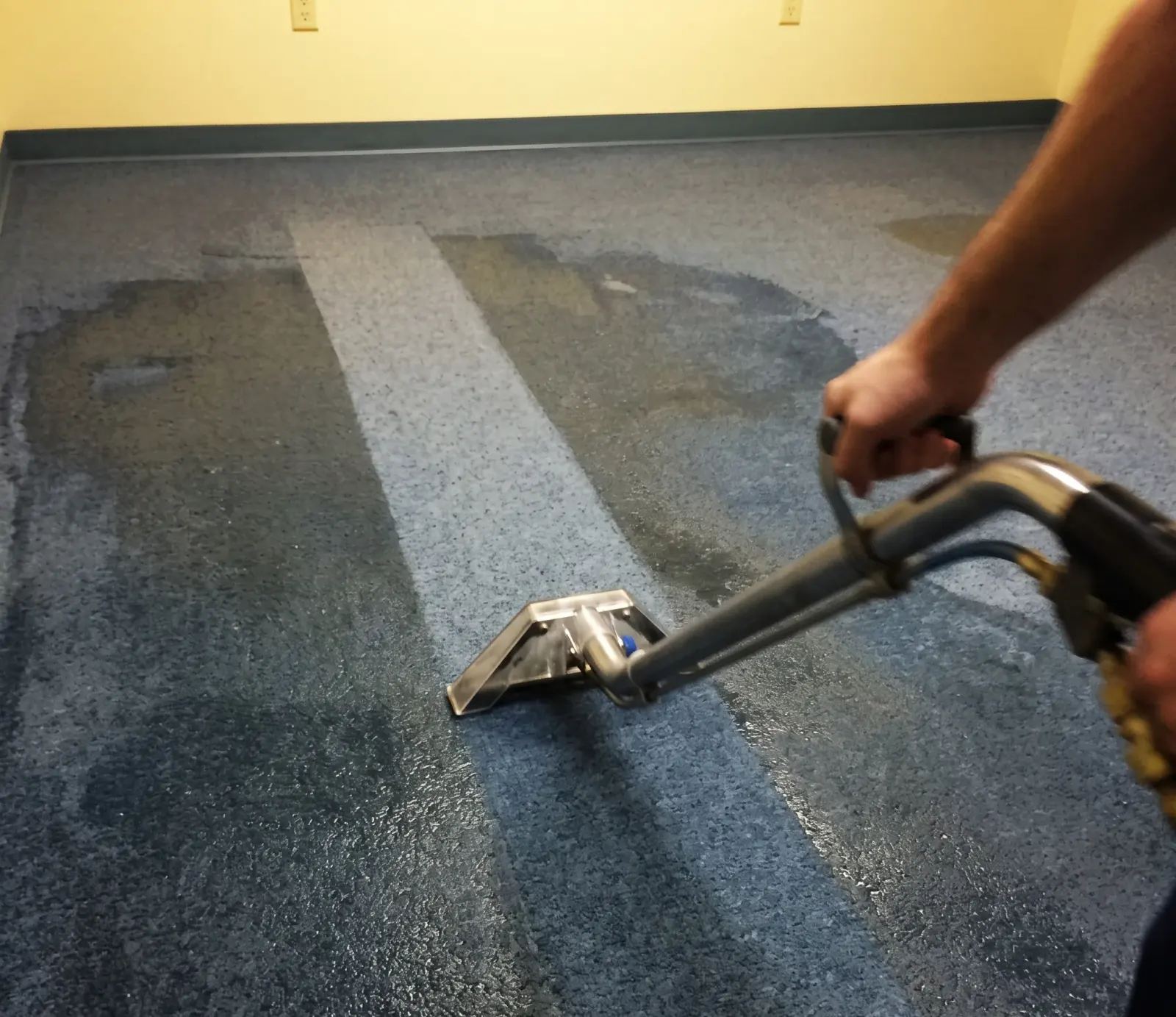
A soaked material does not wait long before mold takes hold. The window most often cited for drying something out before mold sets in is measured in one to two days, not a week, which is a short runway when the surrounding air outside is already carrying so much moisture of its own for months at a stretch.
Air Conditioning Runs Nearly Year-Round
Cooling systems in Hollywood homes run for most of the calendar year rather than a few summer weeks, and that means the condensate they produce is a year-round byproduct too. A clogged line or a pan that overflows in a closet or attic space tends to go unnoticed until the damage has already spread underneath it.
Aging Pipes Under the Slab
Hollywood sits on a shallow water table over limestone and sand, and its rainy season from May through October brings roughly two-thirds of the yearly rainfall. That combination keeps ambient humidity high for much of the year, close to the level mold needs to establish. Wet drywall or carpet in Hollywood Hills or Emerald Hills starts that clock sooner than the same materials would in a drier region.
No Basements to Fall Back On
Hollywood homes don't have basements, which fits the region's high water table and sandy substrate. That means there's no lower level for water to collect away from living space. When a leak happens, it's showing up directly under flooring or inside walls people actually use every day.
King Tides and Street-Level Flooding
King tides push water into low streets near the beach and along State Road A1A on a recurring basis, on top of whatever a heavy rain event adds on its own. The city has been working on stormwater pump stations and seawall improvements along that same stretch, which points to how established this pattern already is.
Older Construction Meets Newer High-Rises
Hollywood's housing stock mixes older mid-century condos and single-family homes with newer beachfront high-rises near the Broadwalk. Older buildings carry decades of wear on plumbing and roofing, while dense residential buildings near the Intracoastal Waterway concentrate a lot of shared risk in one structure when something does go wrong.
Why the Clock Runs Faster Here
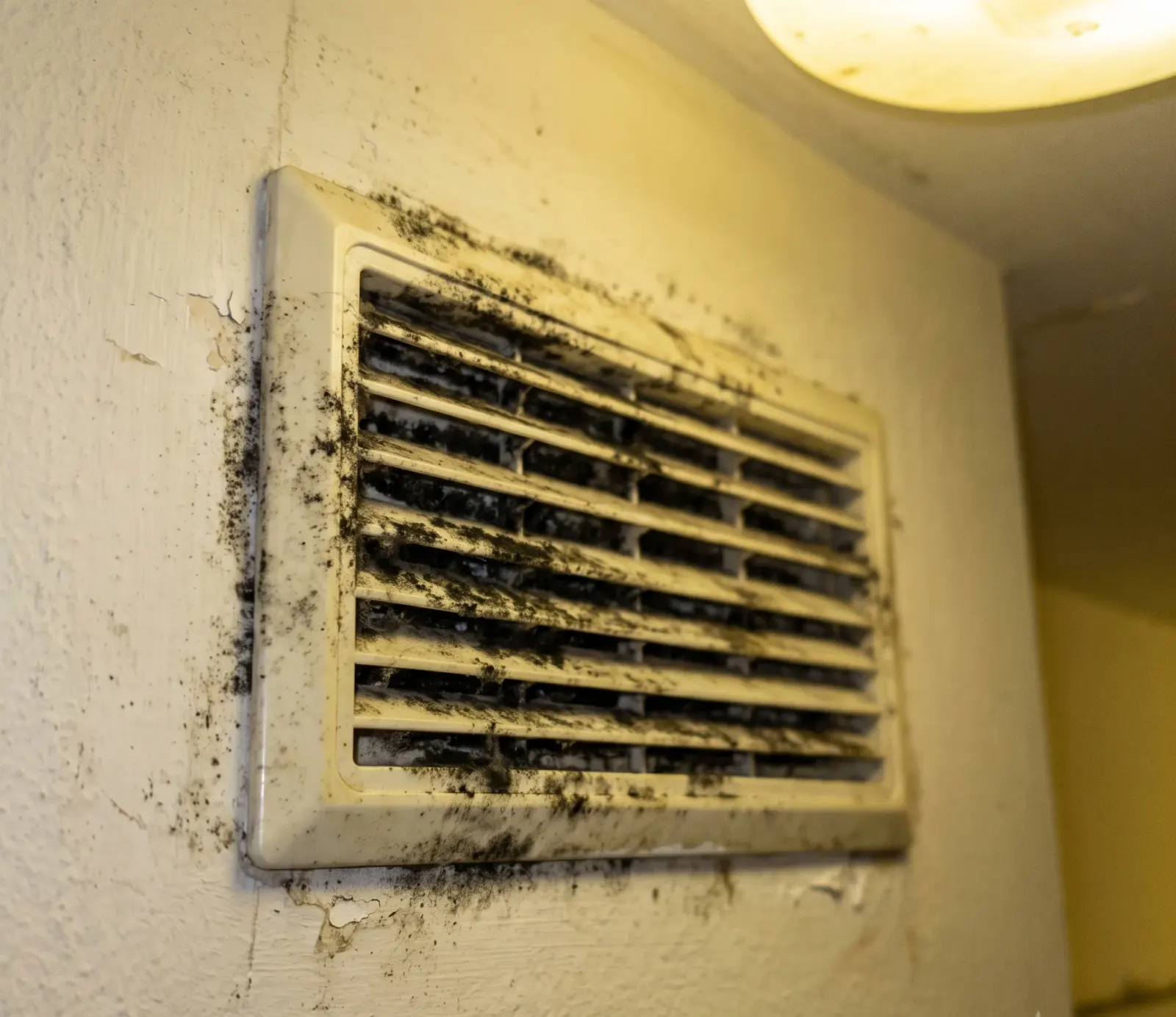
Warm, humid air gives mold a head start compared to a dry climate, so the window between a leak and visible growth is shorter in Hollywood than it would be somewhere like Denver. That's not a scare tactic, it's just how the same EPA drying timeline plays out differently depending on the air around the building.
Hurricane Season Adds Another Layer
Hollywood's rainy season overlaps directly with hurricane season, so the same months that bring routine heavy rain also carry storm risk. A roof or window damaged in a named storm doesn't get a break from the ambient humidity afterward, which is part of why storm-related water damage here tends to move quickly toward mold if it sits.
What This Means for a Hollywood Home
Air conditioning runs nearly year-round in Hollywood, and every hour it runs it produces condensate. A blocked drain line or an overflowing pan in a closet or attic is a quiet, slow leak, not a burst pipe, and it can go unnoticed in a Driftwood or Boulevard Heights home for days. Add outdoor humidity that makes open windows useless for drying, and a small AC leak becomes a real mold problem fast.
Dealing with this in your home?
A ceiling stain days after a storm rarely marks the spot where water got in. On flat-roofed homes near Hollywood Hills or Emerald Hills, water travels along framing before it drops, so the wet insulation and drywall can sit yards from the actual break in the membrane or a clogged drain.