Renting out a house in Hollywood puts a landlord one step removed from the property, and that gap is where water damage grows unseen. A tenant may not report a slow drip near Young Circle or in Hollywood Lakes for weeks, an AC pan in a closet keeps overflowing quietly, and by the time anyone calls, the loss is much bigger than it needed to be.
Your AC Unit Is a Year-Round Risk
Air conditioning runs nearly year-round here, which means condensate production runs nearly year-round too. A blocked drain line or a rusted, overflowing pan in a closet or attic leaks slowly and quietly, not all at once. In a rental, nobody notices until a ceiling stain shows up or a tenant finally mentions a musty smell.
Aging Pipes in Older Rentals
Many Hollywood rentals, especially in older sections near Liberia or Driftwood, were plumbed with cast iron drain lines decades ago. Cast iron corrodes from the inside, and lines at the end of their service life fail as slow drains and backups rather than dramatic bursts. A tenant may live with a sluggish drain for months before reporting it.
Why Tenants Report Leaks Late
A tenant who doesn't own the property has less incentive to chase a small problem immediately. A slow leak under a sink, a musty closet, or water pooling near a baseboard can go unreported for weeks. By the time you hear about it, what started as a contained issue may have spread through drywall, flooring, or a shared wall.
Hard Flooring Can Hide a Loss
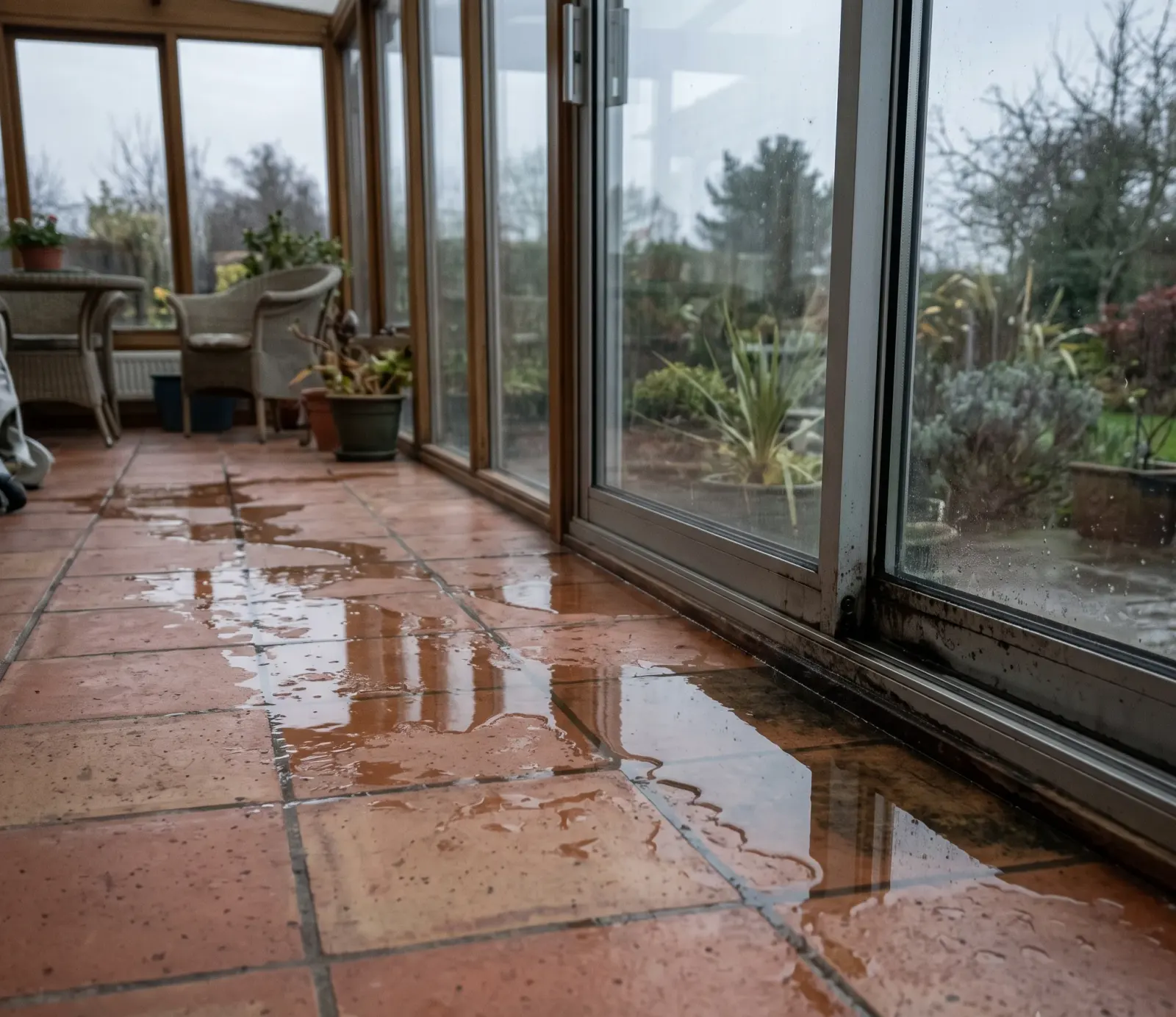
Terrazzo and tile floors, common in mid-century Hollywood homes, don't absorb water the way carpet does. That can work against you: a floor can look completely dry while the slab underneath is saturated and water has already tracked sideways under the tile toward a wall. The visible surface hides the real extent of a loss.
The Cost of a Delayed Report
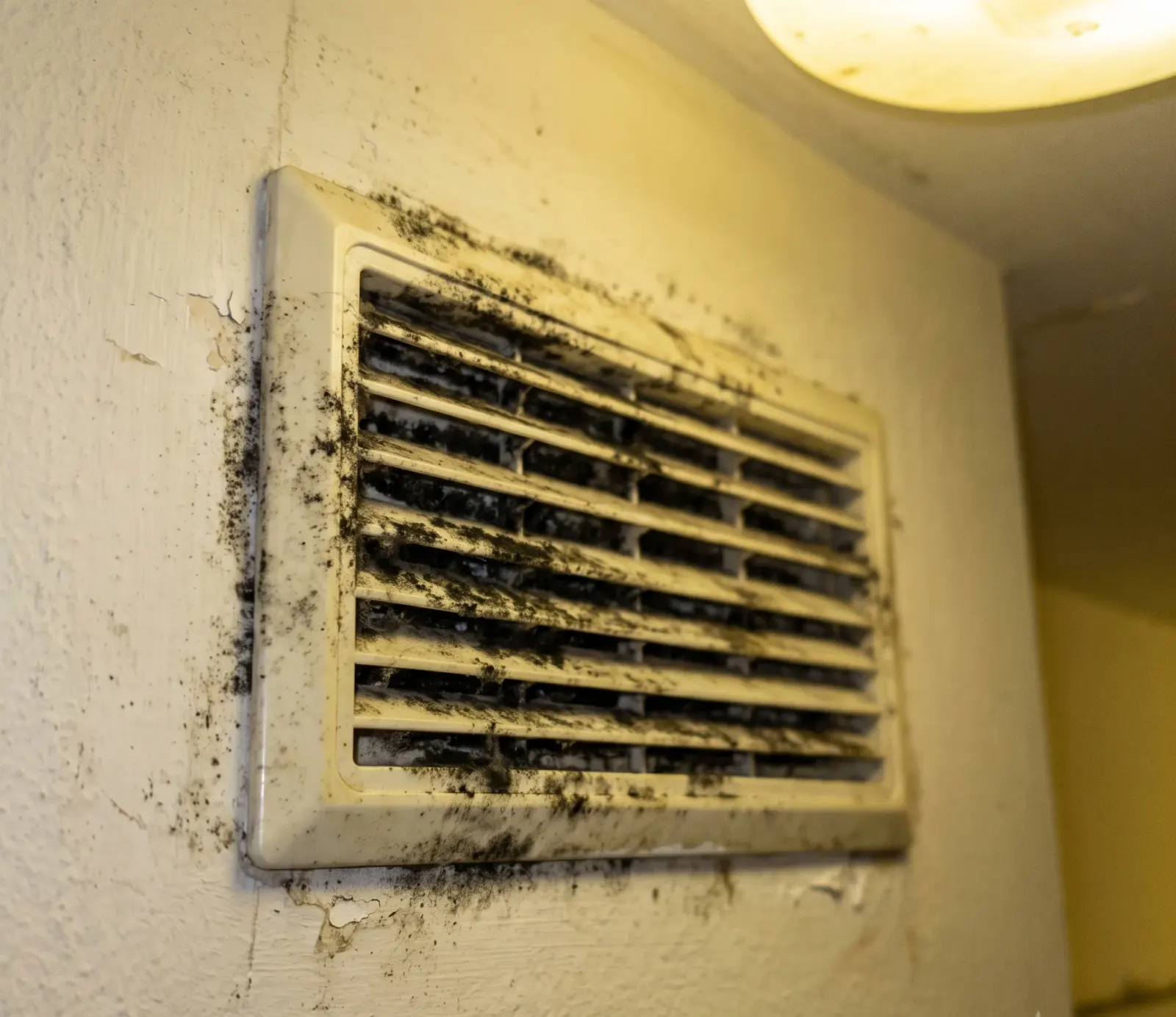
Delayed reporting isn't just inconvenient, it changes the outcome. Water sitting inside a wall or under a floor for an extended stretch creates conditions for mold growth and softens materials in ways a same-day catch would have avoided. The gap between when a leak starts and when a landlord learns about it is often the single biggest factor in how bad the damage gets.
Setting Up Faster Reporting
A written lease clause asking tenants to report leaks, drips, or musty smells right away doesn't remove your maintenance obligation under Florida law, but it does shorten the window between a small problem and a landlord finding out. Pair that with a habit of checking AC closets and under-sink areas during any routine visit to the property.
Treating a Report as Urgent
If a tenant does report water intrusion, treat it as time-sensitive rather than something to schedule around other work. A quiet leak near a shared wall in a duplex, or in a unit close to neighbors in Boulevard Heights or Hollywood Hills, can affect an adjoining space before you've even scheduled a look at your own.
Mold Risk Is a Tenant Issue Too
None of this means a landlord should assume the worst about every tenant call. It means building in a shorter path between a tenant noticing something wrong in a Boulevard Heights or Emerald Hills rental and a licensed pro actually looking at it, before a damp spot under the tile turns into a soaked slab and a mold problem behind the wall.
Hurricane Season Adds a Layer
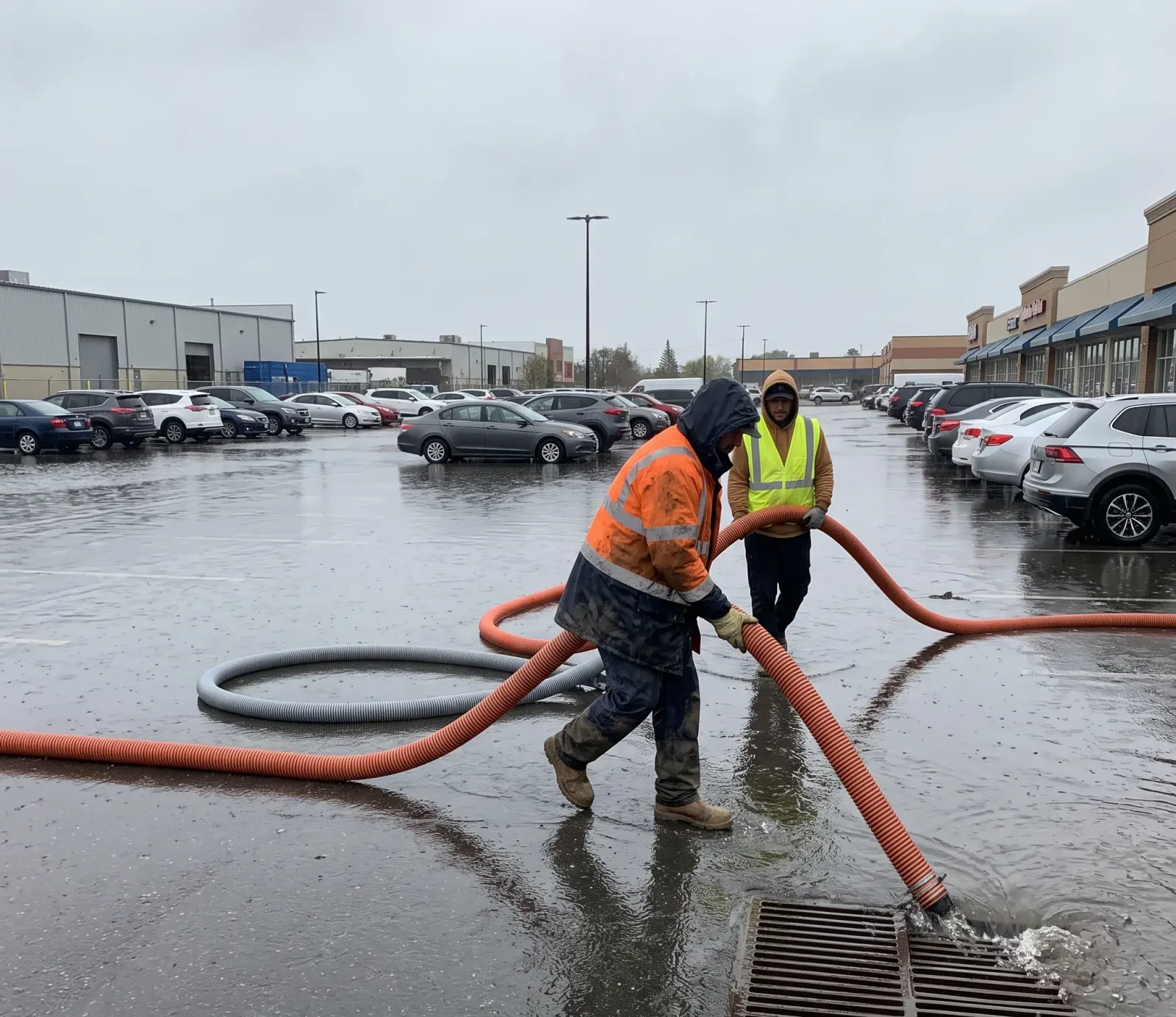
Rental properties near the Intracoastal Waterway or in low-lying sections of the city carry the added layer of hurricane season, which runs June through November. A property that takes on water during a storm needs the same prompt attention as a slow indoor leak, just on a faster timeline and often affecting more than one unit at once.
Getting an Accurate Read Early
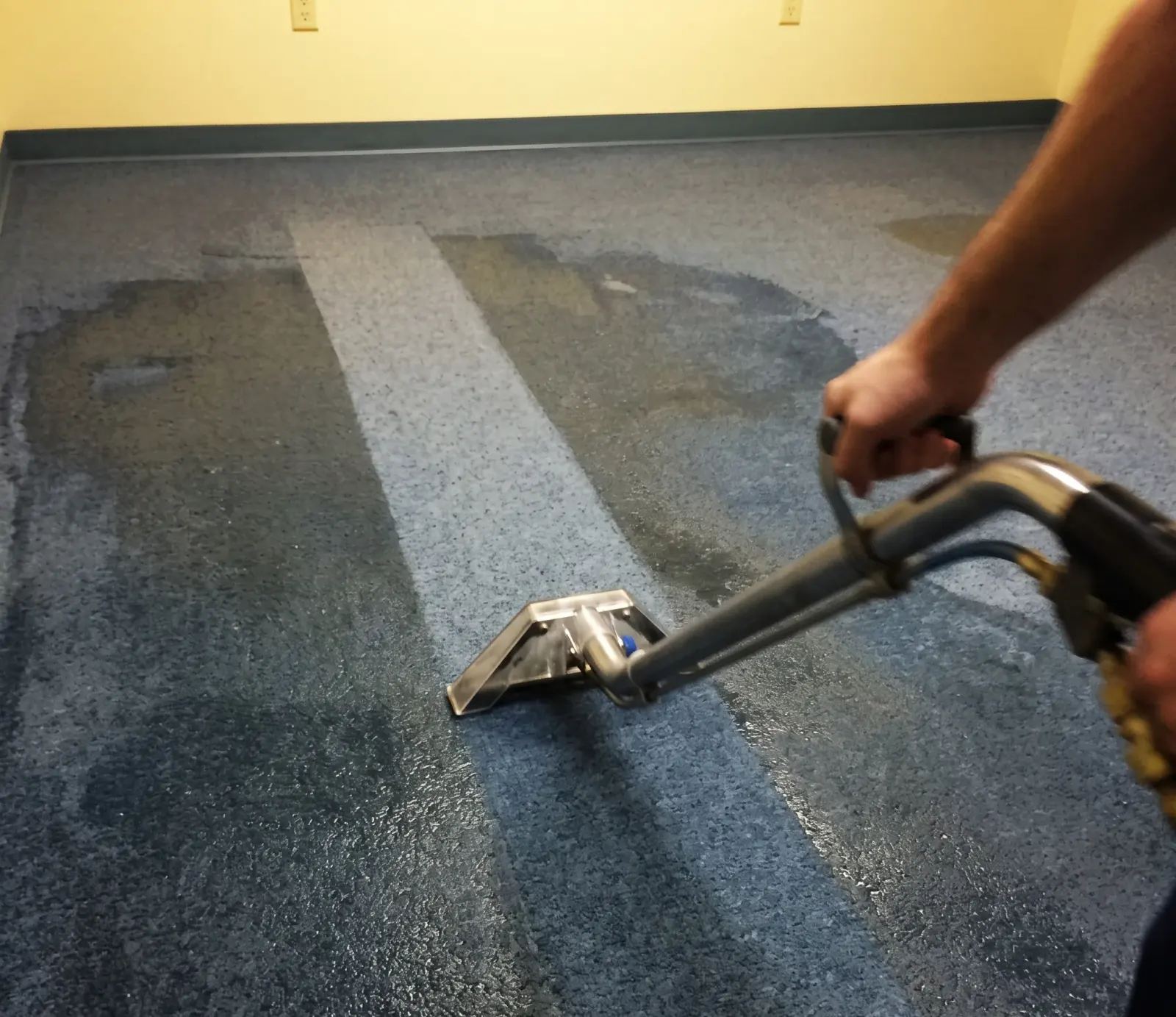
None of this requires guessing at what's wrong before you look. An assessment from the licensed pros we connect you with can identify whether a leak is active, how far moisture has traveled under tile or terrazzo, and whether drying can start immediately or repairs come first. Getting that read early is what keeps a manageable job manageable.
The Practical Bottom Line for Owners
Owning a rental in Hollywood means accepting that plumbing and AC systems age on their own schedule, tenants report problems on theirs, and the two rarely line up. Knowing where the common failure points are, and building a habit of quick response, is the practical difference between a repair and a much larger loss.
Dealing with this in your home?
A ceiling stain days after a storm rarely marks the spot where water got in. On flat-roofed homes near Hollywood Hills or Emerald Hills, water travels along framing before it drops, so the wet insulation and drywall can sit yards from the actual break in the membrane or a clogged drain.