How Salt Air Accelerates Corrosion and Water Damage Near the Coast
Why homes near Hollywood Beach and the Intracoastal see corrosion-driven leaks sooner than homes further inland.
Salt air off the Atlantic and the Intracoastal Waterway settles on metal fixtures, pipe fittings, and AC coils and holds moisture against them longer than rain alone would. That accelerated corrosion in copper, galvanized fittings, and coil components leads to pinhole leaks and slow drips years before a comparable inland home would see the same failure.
How Salt Air Speeds Up Corrosion Near the Coast
Hollywood sits directly on the Atlantic, with the Intracoastal Waterway running the length of the city, so salt-laden air reaches homes on both sides of town, not just the beach. That air carries chloride particles that settle on metal and concrete, and the closer a property sits to Hollywood Beach or the Intracoastal, the faster that process runs. It is a slow mechanism, but a constant one.
The corrosion shows up first in places nobody looks at often: AC condenser coils and cabinets outside the house, exposed pipe fittings under sinks or in utility closets, and metal fasteners on roof flashing or exterior fixtures. In Hollywood Lakes and Hollywood Hills, both close to the water, this wear can be underway well before a homeowner notices any staining or drip.
Salt air does not need direct ocean spray to do damage. Wind carries fine salt particles inland past Downtown Hollywood and Young Circle, settling on any exposed metal, so even properties several blocks from the Broadwalk see accelerated wear compared to inland cities like Pembroke Pines or West Park.
Where Corrosion Starts Inside a Hollywood Home
Cast iron drain lines under the slab are common in older Hollywood construction, and corrosion here is a two-front problem: the metal breaks down from the inside as it always does, but a coastal property's line is also more exposed to the effects of a high, salt-influenced water table pressing against the pipe from outside the slab. The result is a shorter service life than the same pipe would have inland.
The Biscayne aquifer beneath Broward County sits close to the surface, and USGS documentation of shallow wells in the area confirms just how near grade that water sits. Near the coast, that groundwater carries more salt influence, which speeds up corrosion in anything metal that sits below or near slab level, including pipe fittings and rebar.
- Copper supply lines pitting from prolonged salt-film exposure
- Galvanized fittings rusting from the outside in
- AC coils and condenser fins corroding near the coast
- Cabinet hinges and metal fixtures weakening faster once wet
- Metal furring strips behind stucco corroding unseen
- Exterior hose bibs and shutoff valves seizing from corrosion
Pipes, Fixtures, and the Slow Leak Nobody Notices
Air conditioning runs nearly year-round in Hollywood, and the condenser unit sits outside, fully exposed to salt air whether the home is in Hollywood Hills or closer to A1A. The metal fins, coil, and cabinet corrode faster near the coast, and a corroded coil or line is a common point of failure that can eventually contribute to a leak inside the home.
Exterior AC condenser units bear the brunt of it. Units set along the Intracoastal Waterway or within a few blocks of Hollywood Beach take on salt film daily, and that film holds moisture against the coil fins and cabinet screws around the clock. Refrigerant lines and electrical connections corrode from the housing inward, which is why a unit near the water can fail years before an identical one in Hollywood Hills.
- Homes within a few blocks of Hollywood Beach or the Broadwalk
- Properties along the Intracoastal Waterway in Hollywood Lakes
- Metal fixture failures showing up first in bathrooms closest to the Intracoastal side of a property
- Older homes in Downtown Hollywood and Liberia with original plumbing
Corrosion Risk by Distance From the Water
None of this is limited to Hollywood Beach. Homes in Emerald Hills near the golf course, along canal frontage, or inland toward Boulevard Heights and Liberia still sit inside the reach of coastal air, just with the effect building more slowly than a block off the Broadwalk. Distance from the water changes the pace, not whether the process happens.
A homeowner noticing a slow drain, a damp patch near a slab edge, or a musty smell near an AC closet in a Hollywood or Hallandale Beach area home should treat it as worth investigating rather than routine. Corrosion-driven leaks rarely announce themselves the way a burst pipe does, and catching one early keeps the damage contained to a small repair.
| Area | Exposure Level | What Wears First |
|---|---|---|
| Hollywood Beach and the Broadwalk | Highest, constant salt spray on exposed metal | Railings, AC units, hose bibs, exterior fixtures |
| Hollywood Lakes and Intracoastal-adjacent lots | High, salt-laden air plus canal humidity | Balcony rails, pool cages, condo plumbing stacks |
| Downtown Hollywood and Young Circle | Moderate, set back from open water | Roof penetrations, window frames, older supply lines |
| Hollywood Hills and Emerald Hills | Lower, further inland from the Atlantic | Underslab cast iron, water heater fittings |
| West Park, Pembroke Pines, Dania Beach corridor | Lowest of the group, still humid subtropical air | Slower fixture wear, still worth watching after age 20 |
What Corroded Pipes and Fixtures Do Before They Fail
Salt in the air here works differently than salt in a splash of seawater. It rides on humidity off the Atlantic and settles as a thin film on anything metal, and that film holds moisture against the surface far longer than plain rain would. Copper supply lines, galvanized fittings, and AC coils near Hollywood Beach and the Intracoastal corrode from the outside faster than the same materials would a few miles inland.
The Intracoastal Waterway itself adds a second exposure path beyond the ocean, since homes near it catch salt-laden air moving off both bodies of water. Fittings behind stucco or under sinks in Hollywood Lakes and Hollywood Hills properties near that corridor can pit and thin years before a homeowner sees a stain, and the failure often shows up first as a small, steady leak rather than a burst.
Drying Out a Leak in a Concrete Block Wall
Once a fitting or line does let go, the salt exposure that caused it does not make the water itself more damaging, but it does mean nearby metal fixtures, cabinet hinges, and appliance parts are already weakened and corrode faster once wet. A leak in a salt-exposed home can accelerate rust on hardware that a similar leak inland would leave untouched.
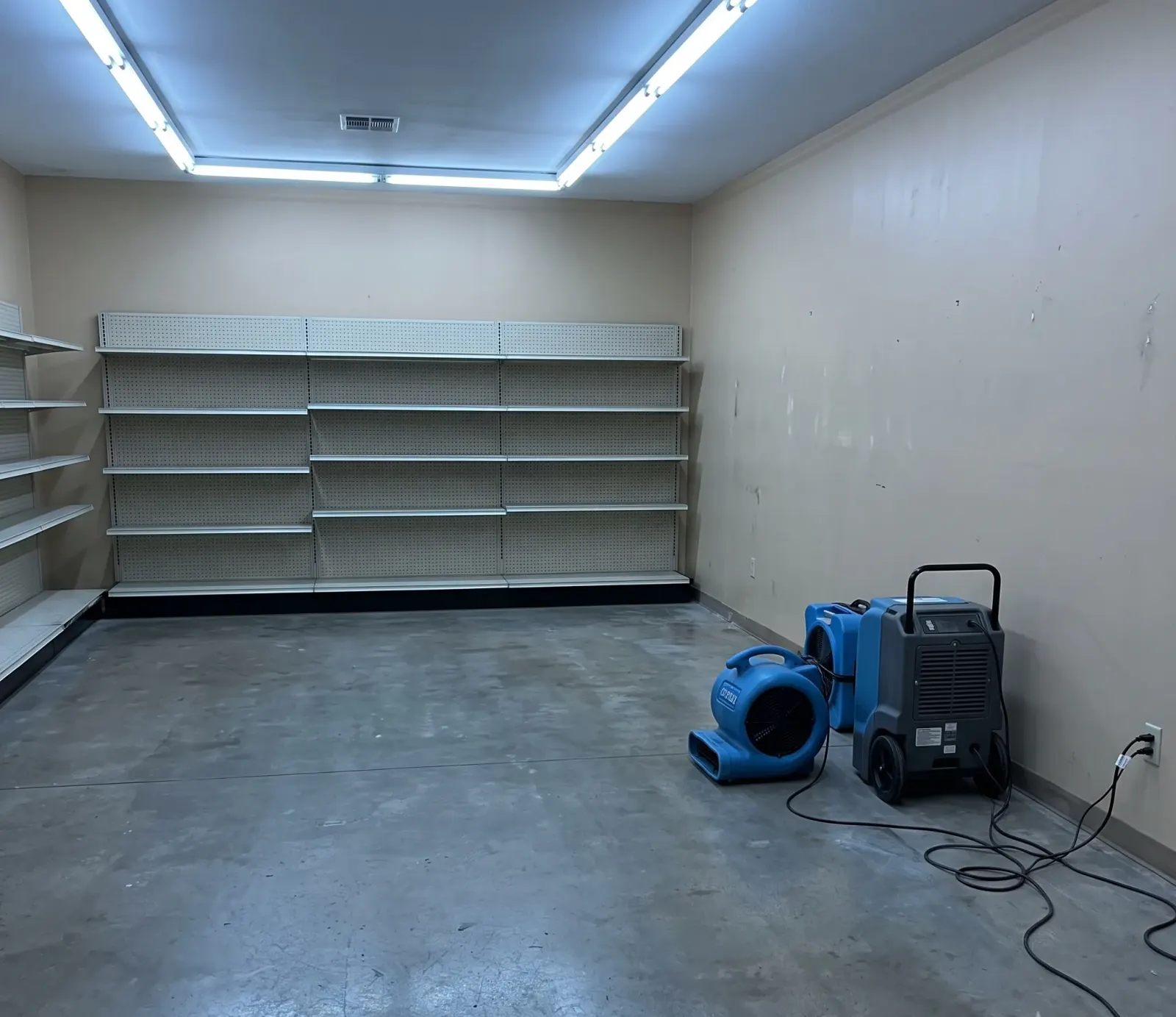
Concrete block construction common across Hollywood holds moisture in the block cores and behind stucco long after a surface feels dry, and that moisture, combined with corroded metal furring strips, gives a slow leak more places to sit unnoticed. The licensed pros we connect you with check block walls from the inside rather than relying on a surface reading.
Corrosion at a Glance
- Salt film holds moisture against metal longer than rain does
- Copper and galvanized fittings corrode fastest near the coast
- Block walls trap moisture behind stucco long after drying
- Corroded furring strips give leaks more places to hide
- Slow pinhole leaks are more common here than sudden bursts
- AC coils near the Intracoastal corrode faster than inland units
Frequently Asked Questions
Does living near the beach really make pipes corrode faster?
Yes. Properties near Hollywood Beach, the Broadwalk, or the Intracoastal Waterway sit in the direct path of salt-laden air, but wind carries fine salt particles well inland too. Homes in Hollywood Lakes and Hollywood Hills, both closer to the water, typically see faster wear on outdoor metal and pipe fittings than homes farther inland toward Pembroke Pines, though no property in Hollywood is fully outside the effect.
How do I know if a leak came from a corroded fitting?
Not directly. Salt exposure eats away at pipe walls, AC coils, and fasteners from the outside in, so a fitting near Hollywood Beach or the Intracoastal can pit and thin for years before it actually opens up. What you're covering is the leak itself once it happens, plus the drywall, flooring, or cabinetry it soaked. The corroded part that failed is a maintenance and replacement cost, not a covered loss.
Can salt air damage my AC unit even indoors?
An AC condenser sitting outside corrodes faster near the coast because the coil, fins, and cabinet are constantly exposed to salt air with no barrier. Since the system runs nearly year-round in Hollywood, that exposure is close to continuous. A corroded coil or line fitting can eventually fail and contribute to a leak, which is why outdoor units deserve a periodic visual check.
Are homes near the Intracoastal at higher risk than near the ocean?
Watch for a greenish or white crust on copper fittings, rust bleeding through paint on exterior AC units, and pinhole leaks that show up as a damp spot with no obvious cause. Homes nearer Hollywood Beach and the Intracoastal Waterway see this sooner than homes toward Hollywood Hills or Boulevard Heights. A fixture that corrodes from the outside in often fails at the fitting, not along the pipe run.
What should I check first if I suspect corrosion damage?
Not meaningfully. Homes in Emerald Hills, Boulevard Heights, or Liberia sit farther from the Broadwalk than Hollywood Lakes or Hollywood Hills, so the corrosion process runs slower, but it still runs. Salt air travels well past the immediate beachfront, and any exposed metal fitting or fastener across Hollywood is affected over enough time, just on a longer timeline inland.
Found a slow leak you cannot explain?
If pipes, an AC unit, or metal fixtures near Hollywood Beach or the Intracoastal have started a leak, get the water stopped and dried before corrosion spreads further along the line. Call for an inspection today.
Call (954) 676-1222