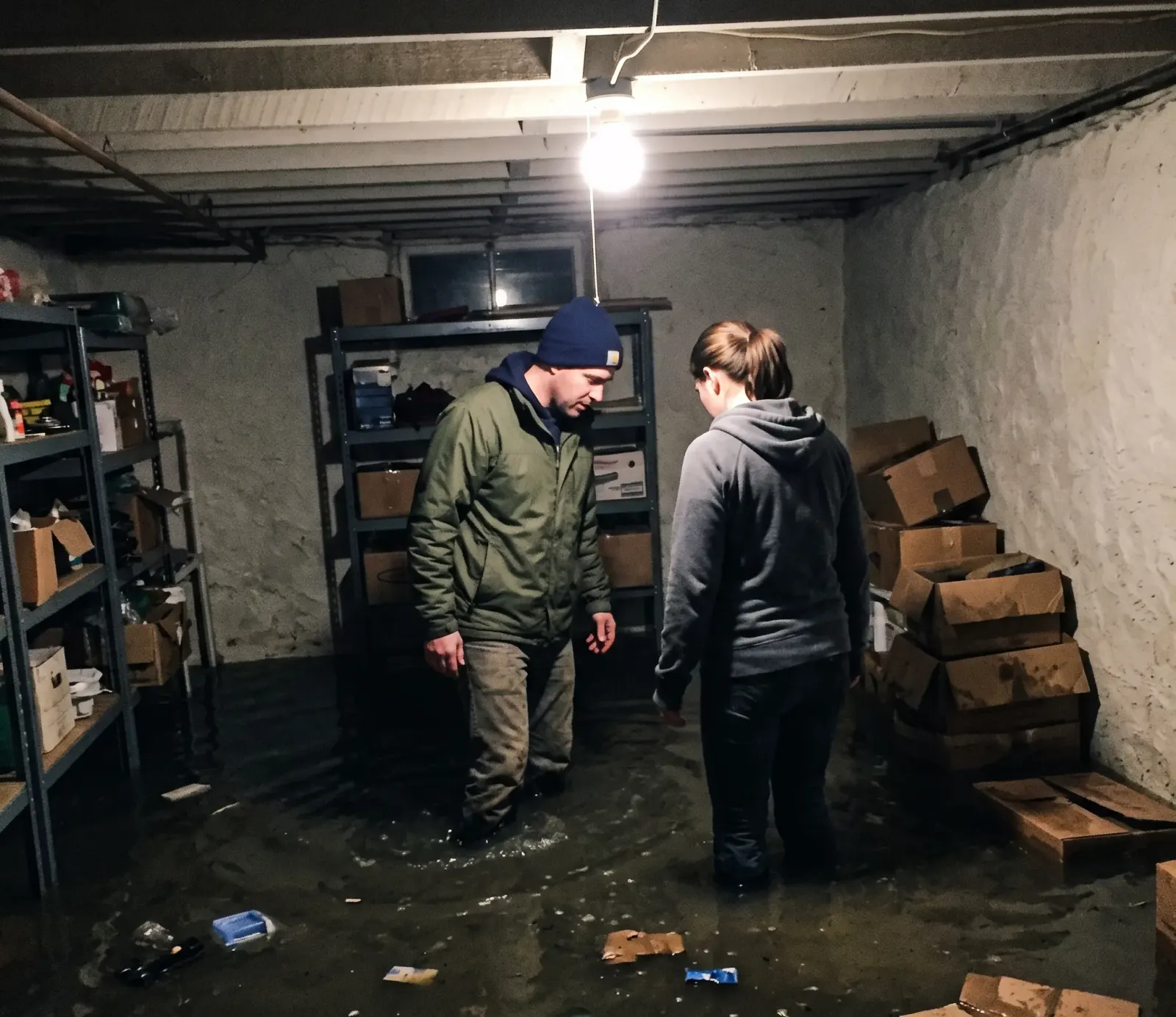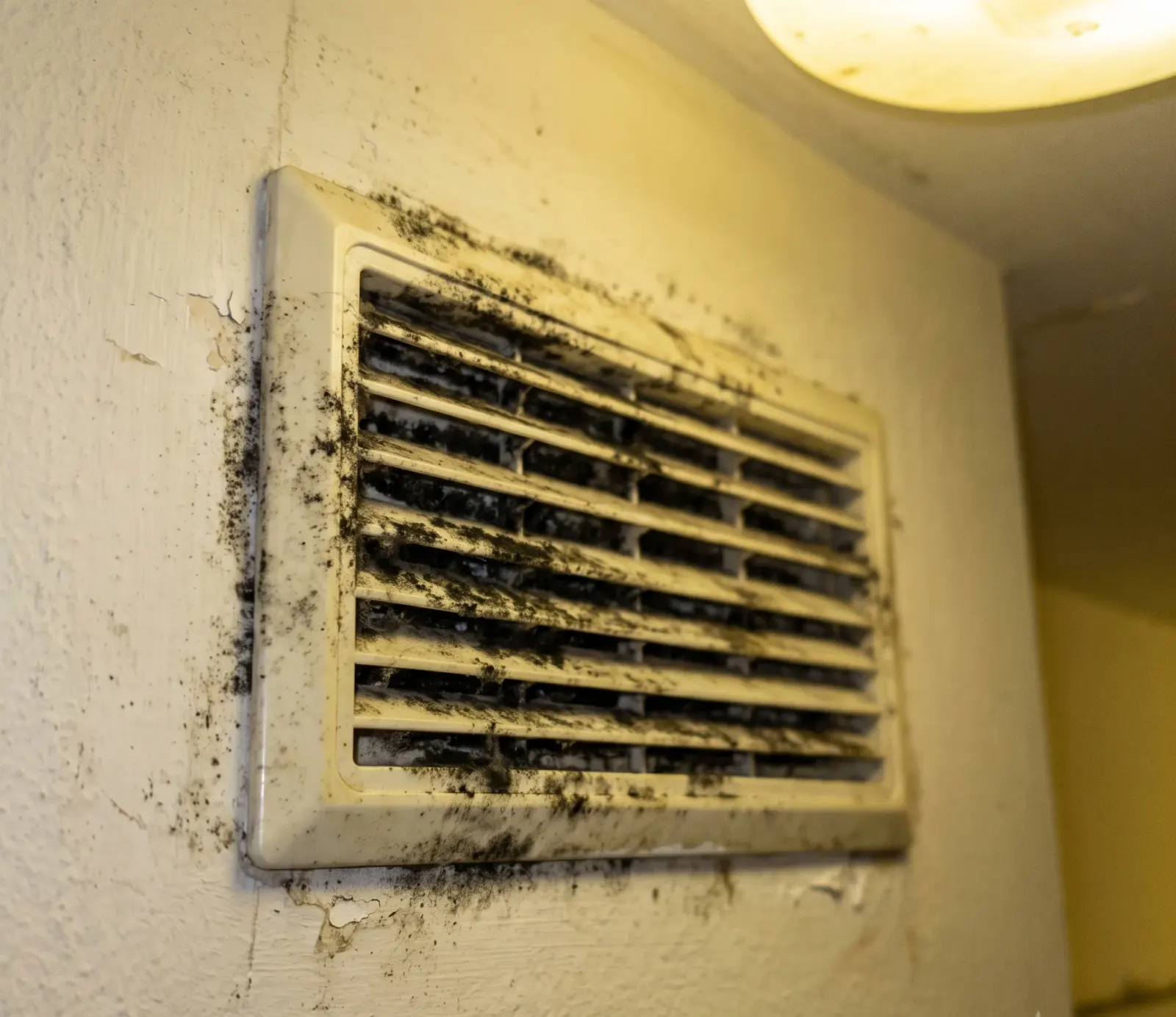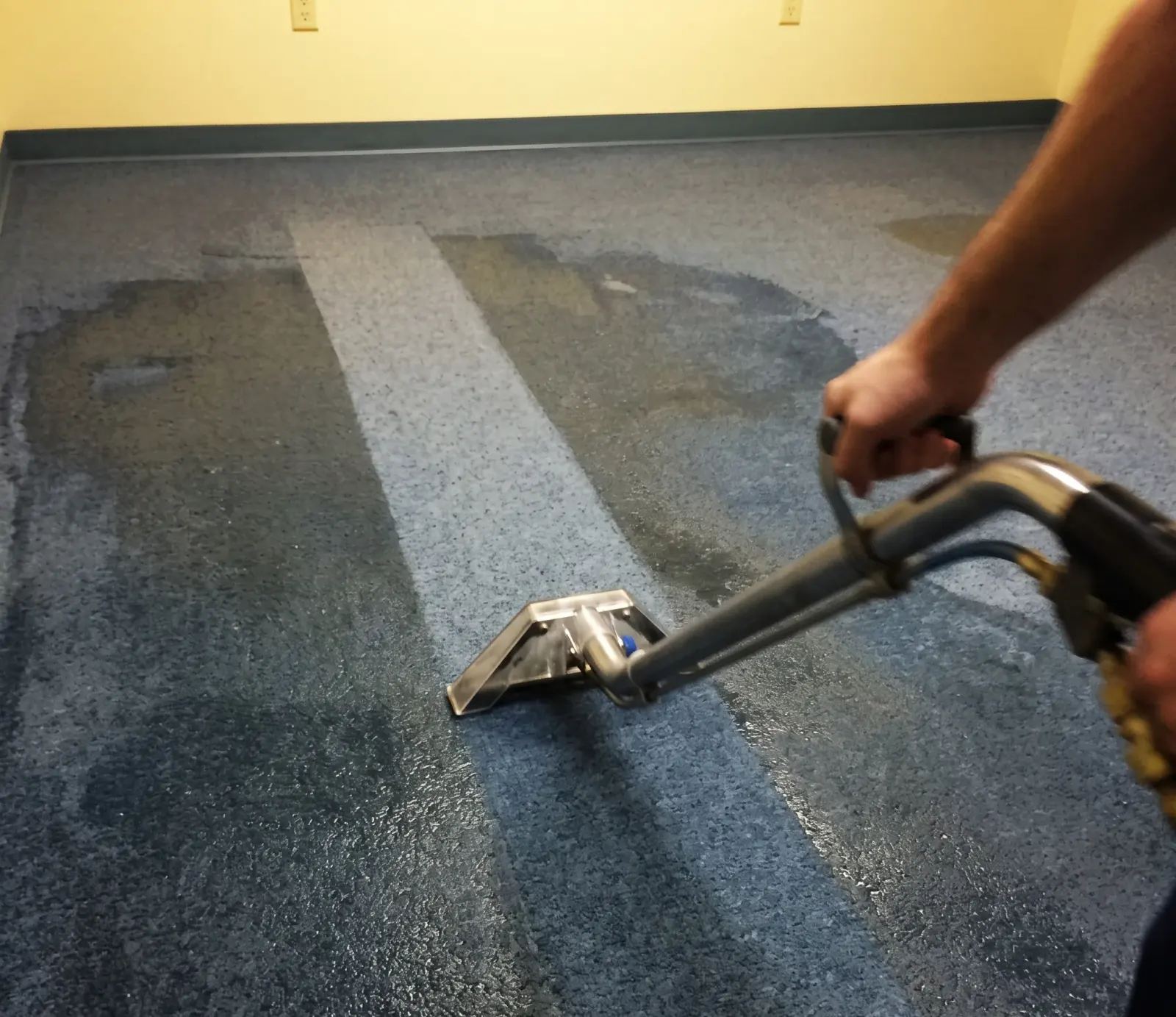
Water damage does not wait for a convenient hour. Before anyone reaches you, a homeowner in Hollywood can do a short, safe list of things that matter more than almost anything that happens later: stop the source if it is reachable, protect people, and slow the damage without turning a wet floor into a second emergency.
Shut Off Water If You Can
If the source is a supply line, toilet, or washing machine hose, find the nearest shutoff valve and close it. If you cannot locate one or the water is coming from the main line, shut off the house's main valve. Do not force a stuck valve; a cracked fitting adds a second leak to the one you already have.
Cut Power Before You Wade In
Standing water and electricity do not mix. If outlets, cords, or an appliance sit in or near standing water, do not touch them. If the breaker panel is dry and reachable without stepping through water, shut off power to the affected area. If reaching it means walking through water, leave it and wait for someone qualified.
Get People And Pets Clear
Move children, older residents, and pets out of the affected rooms first. Water damage in a concrete block home can involve wiring behind walls or under a slab, and you cannot see what a wall or floor is hiding. Clear the space before you start moving anything else.
Photograph Everything Before You Touch It
Before you move a single item, take photos and short videos of the water, the source if visible, and everything it touched. This record matters later for an insurance claim, and it is far easier to capture in the first minutes than to reconstruct afterward from memory.
Move What You Can Lift Safely
Lift rugs, move furniture legs onto foil or blocks, and pull electronics, boxes, and anything on the floor up onto a dry surface. Do not strain to move anything heavy alone. The goal is limiting contact time between water and your belongings, not clearing the whole room by yourself.
Open Windows If The Air Is Dry
If outdoor humidity is low and it is safe to do so, opening windows and running ceiling fans can start moving air across wet surfaces. In Hollywood's usual humidity, this helps less than people expect, and during the wetter months it can do nothing at all or even work against you.
Do Not Trust A Dry-Looking Floor
Photograph everything before you touch it, since insurers want a record of the damage as you found it. Shut off water at the source if you can reach the valve. Pull small electronics and rugs off wet flooring, and prop cushions upright so fabric doesn't sit flat against a damp surface. In Hollywood's humidity, every hour matters more than it would somewhere drier.
Check The AC Closet Or Attic Unit
If the water source is unclear, check the air handler closet or attic unit. A clogged condensate line or a rusted, overflowing drain pan is one of the most common sources of slow, quiet water damage in South Florida homes, and it is easy to miss because nothing bursts.
Skip The Space Heater And The Bleach
Do not point a space heater at wet drywall or flooring; unmonitored heat over standing moisture is a fire risk, not a drying method. Do not spray bleach on visible mold either. It does not reach mold growing inside porous material and can mask a problem instead of solving it.
Write Down What You Remember Now
While it is fresh, write down roughly when you first noticed the water, what you heard or saw right before, and anything unusual about a recent repair, appliance, or storm. This timeline is worth more written in the first hour than reconstructed a week later.
Know What This Checklist Does Not Cover
This list covers the first minutes only: stopping the source, staying safe, and limiting spread. Insurance notice deadlines, drying timelines, and what happens over the following day are a longer answer than a quick-reference list can hold, and they deserve their own full answer.
Dealing with this in your home?
A ceiling stain days after a storm rarely marks the spot where water got in. On flat-roofed homes near Hollywood Hills or Emerald Hills, water travels along framing before it drops, so the wet insulation and drywall can sit yards from the actual break in the membrane or a clogged drain.