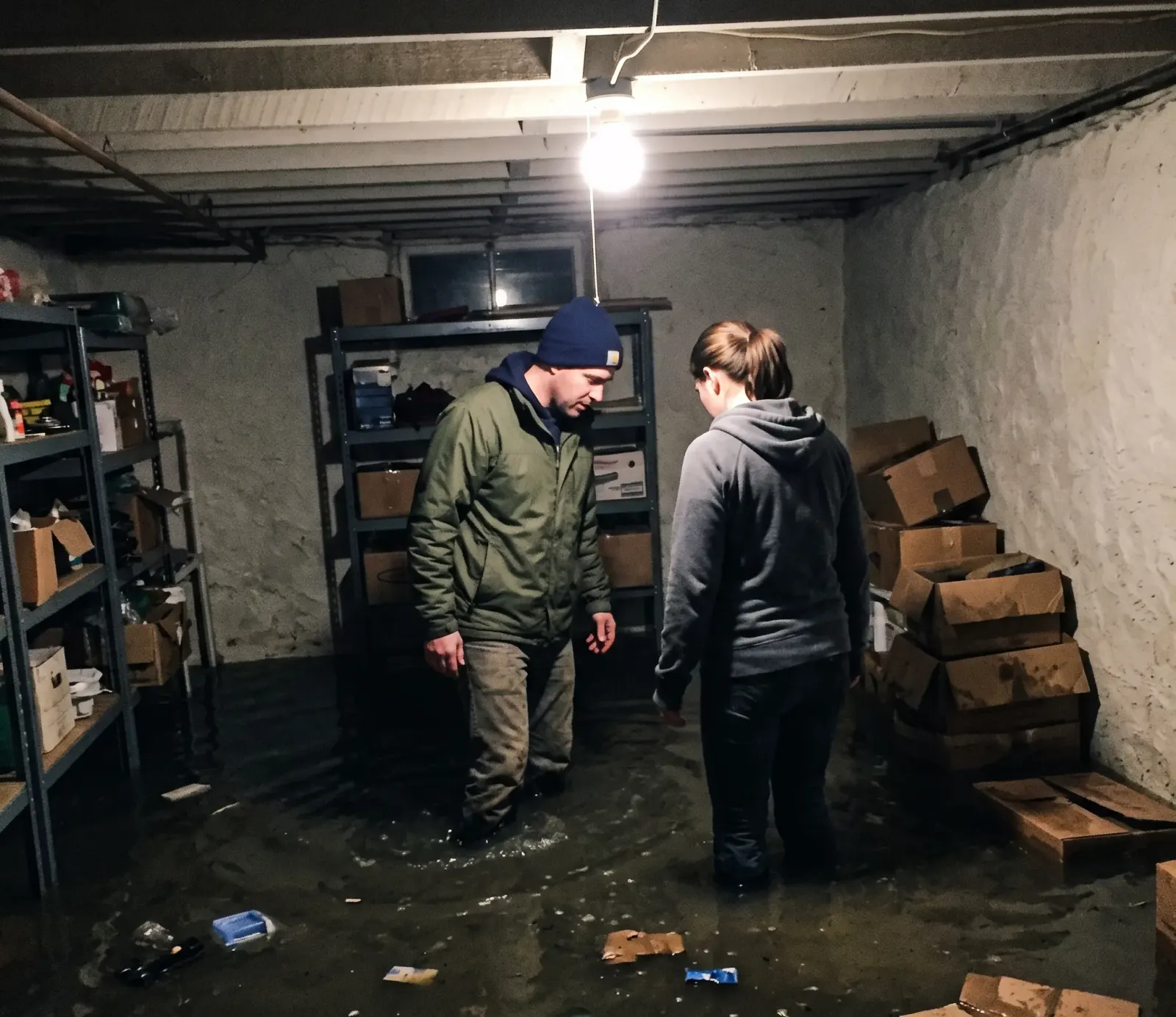
Water shows up under a Hollywood condo unit and the first question is never how to dry it out. It's who has to pay for drying it out. Florida's condo statute sets a default rule, but the specific declaration for that building can move the line, so the answer is rarely a flat yes or no.
The statute's default rule
Florida Statute §718.113(1) says the association maintains the common elements. Pipes running through shared walls, floors, or ceilings, serving more than one unit, are generally common elements. Plumbing that sits inside one unit and serves only that unit is usually the owner's job. That's the starting point, not the finish line.
Why the declaration can override it
The statute lets a declaration of condominium assign limited common elements to a specific unit owner instead of the association. Two buildings in Hollywood Lakes or Emerald Hills can apply the same statute and land on different answers, because each building's declaration was written separately and can shift responsibility either way.
Where the pipe actually is
A leak inside a wall shared between two units in a Downtown Hollywood building often points at a common element. A leak from a fixture entirely inside one unit's four walls, serving nothing else, points toward that owner. The physical location of the failed pipe is usually the first fact anyone checks.
Two policies, two different jobs
A master policy covers the building and its common elements. A unit owner's own HO-6 policy typically covers interior finishes, personal property, and any interior betterments the owner added. When a pipe in a shared wall fails near Young Circle or the Broadwalk, both policies can end up involved at once, each covering a different layer of the same loss.
When the source is a condensate line
None of this changes who is responsible when the source sits outside a unit's boundary altogether. A common-element pipe failure under Hollywood Hills or Emerald Hills condo buildings still falls to the association under §718.113(1), but a unit's own fixtures, appliances, or interior lines stay the owner's problem regardless of building age near Young Circle or the beach corridor.
When water travels between units
Water rarely stays where it started. A leak on an upper floor near Hollywood Hills can soak the ceiling of the unit below, and the upstairs owner's insurance, the downstairs owner's insurance, and the association's policy can all get pulled into the same claim depending on where the actual failure occurred.
Reading the declaration first
Before assuming a default rule applies, an owner should pull their building's declaration of condominium and look for how it defines limited common elements. That document, not general assumptions about condo living, is what actually controls the outcome in a specific Hollywood building.
What the board typically decides
The condo board or its property manager usually makes the first call on whether a repair falls to the association. That call can be challenged, but it starts the clock on which policy gets notified and how quickly, which matters given Florida's insurance notice deadlines for filing a claim.
Getting the source confirmed
Because responsibility often turns on exactly where a pipe failed, documenting the source before repairs start matters. The licensed pros we connect you with can identify where water originated and how far it traveled, which gives both the owner and the association something concrete to work from.
Mold adds its own set of rules
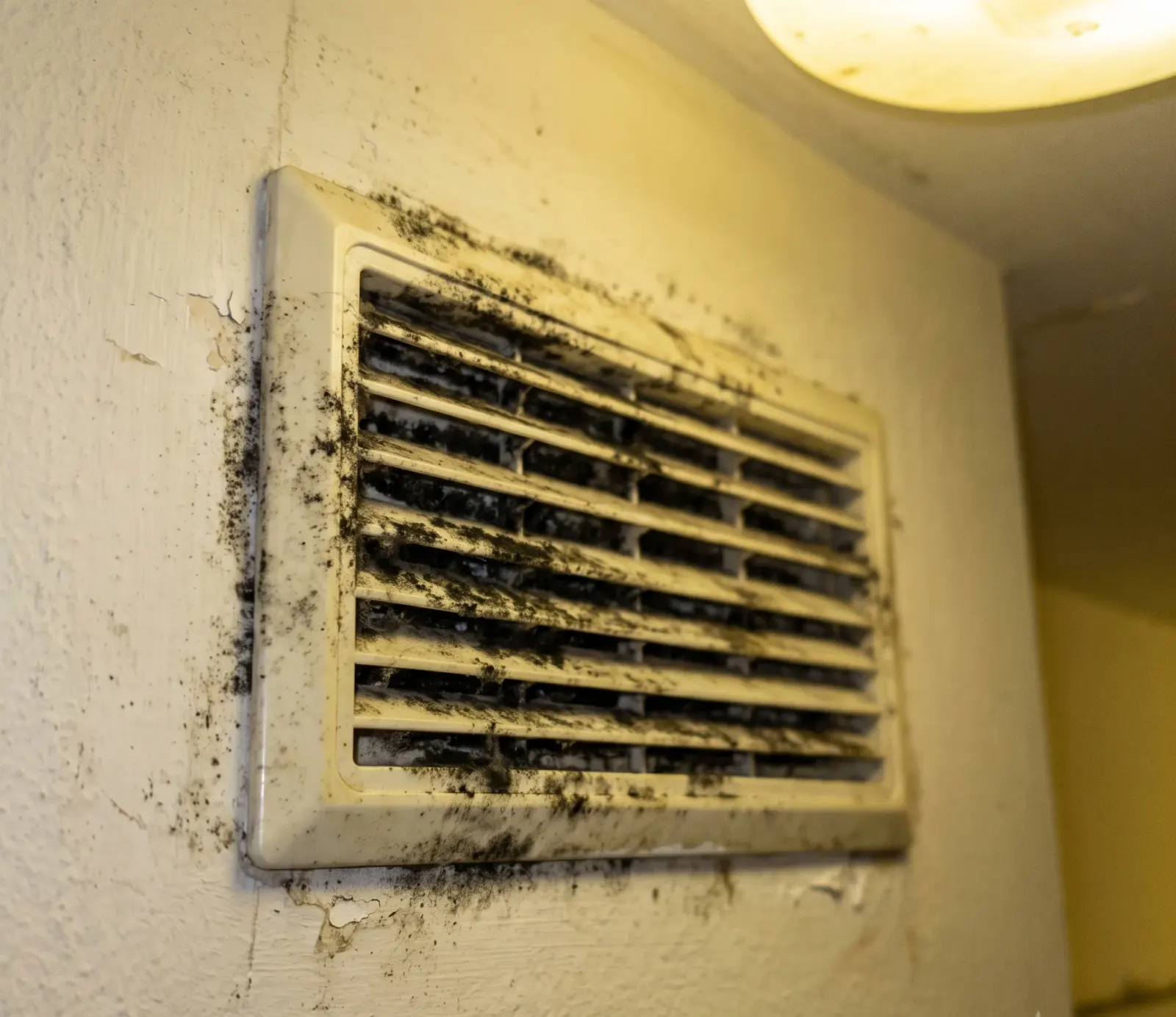
If a slow leak sits long enough to grow mold, Florida separately licenses mold assessors and mold remediators under Chapter 468, and the same company generally can't perform both roles on the same structure within 12 months. That licensing question sits apart from the association-versus-owner question entirely.
The honest short answer
There's a real default rule in Florida law, but it bends to each building's declaration and to exactly where a pipe failed. A Hollywood condo owner dealing with water damage is better served reading their own building's documents than assuming the statute alone settles it.
Dealing with this in your home?
A ceiling stain days after a storm rarely marks the spot where water got in. On flat-roofed homes near Hollywood Hills or Emerald Hills, water travels along framing before it drops, so the wet insulation and drywall can sit yards from the actual break in the membrane or a clogged drain.