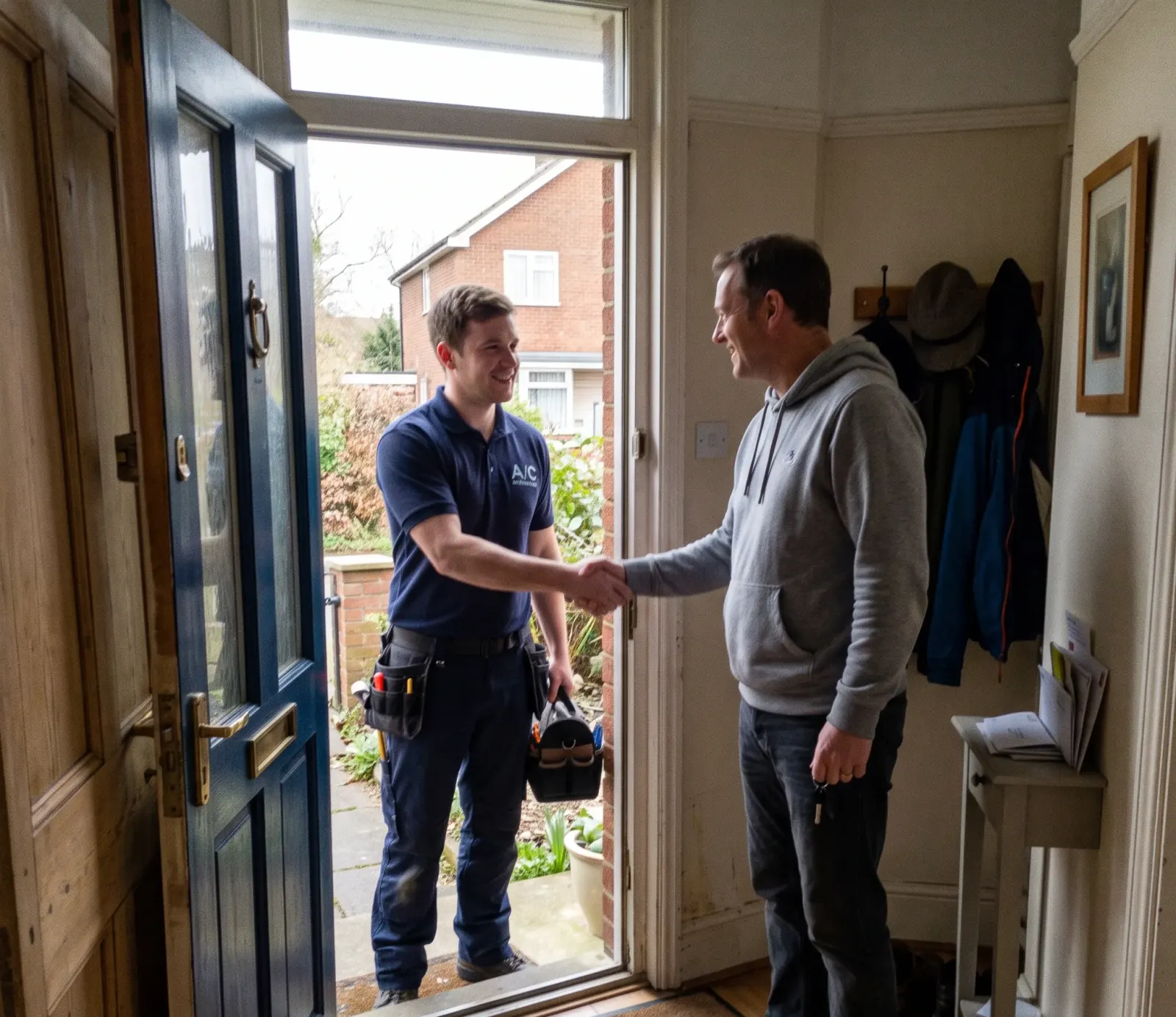
When water gets into a Hollywood home, the first hour matters more than most homeowners expect. A crew showing up isn't just about hauling in equipment. It starts with an assessment: where the water came from, how far it traveled, and what's still wet versus what's already ruined. That assessment shapes everything after it.
The First Walkthrough
Expect someone to walk the property with a moisture meter before touching anything. In a CBS block house common around Hollywood Lakes or Emerald Hills, that meter goes against baseboards, drywall, and tile grout lines, not just the visible puddle. A dry-looking floor near Driftwood or Boulevard Heights can still hide a soaked slab underneath.
Why the Assessment Comes First
Skipping the assessment to start drying immediately sounds efficient but often wastes effort. Terrazzo and tile common in older Hollywood homes can look bone dry on the surface while the slab beneath stays saturated. Mapping the water's path first means equipment gets placed where the moisture actually is, not just where it's visible.
What Gets Documented and Why
Photos and moisture readings get taken room by room before any equipment moves in. This isn't paperwork for its own sake. It becomes the record an insurer will ask for later, and under Florida's claim-notice rules, having that documentation early matters more than most homeowners realize until they're filing.
Setting Up Extraction Equipment
Photos come before anything gets moved. The pros document soaked baseboards, stained drywall, and standing water in rooms across the house, because that record is what an adjuster and a public adjuster both work from later. In Hollywood Lakes or Emerald Hills, where block walls hide moisture behind the finish, this step matters more than it looks like it does.
Air Movers and Dehumidifiers Explained
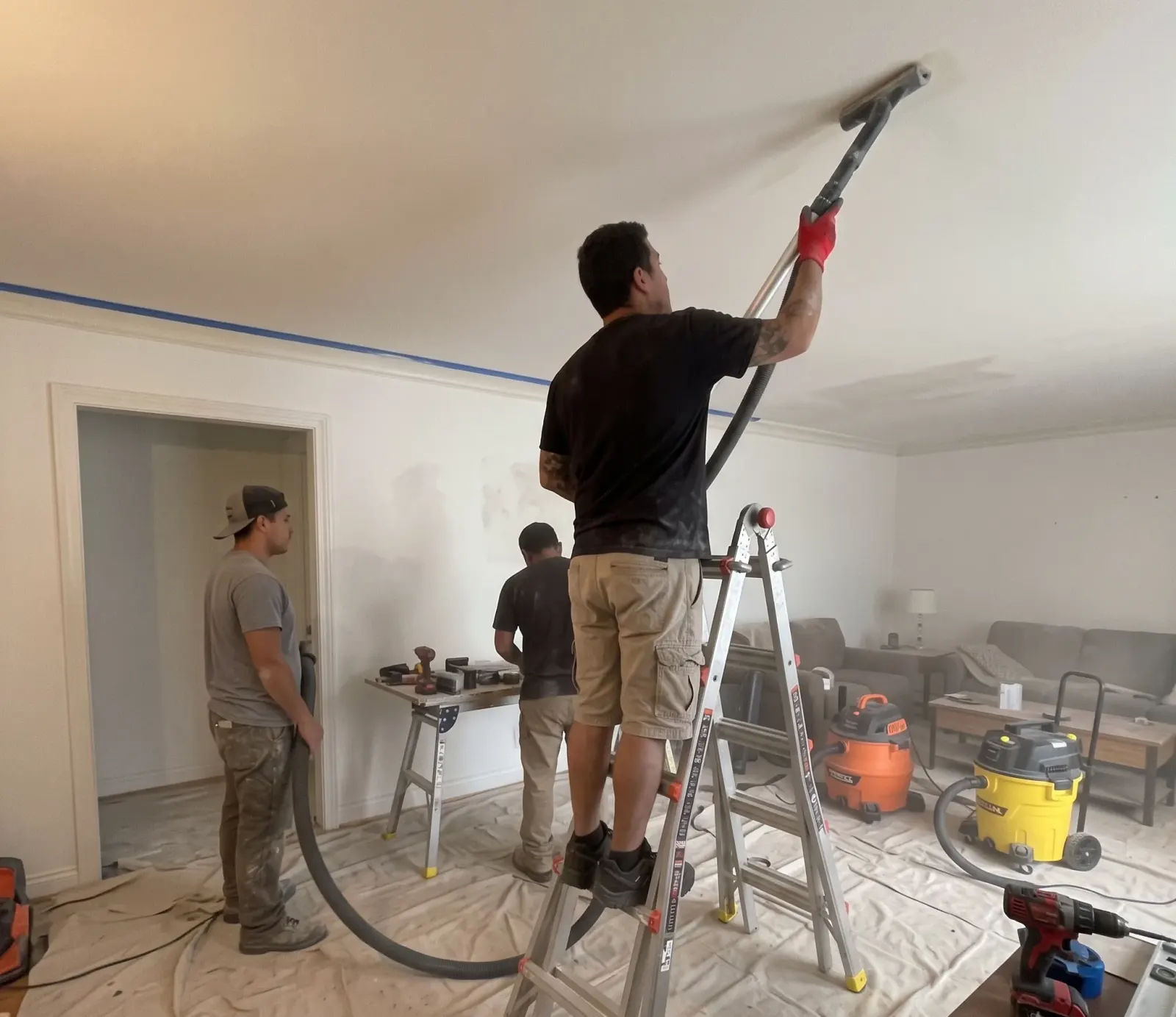
After standing water is removed, air movers and dehumidifiers go in to pull moisture out of materials that absorbed it. In block construction typical of Hollywood Hills or Liberia, that drying often takes longer than people expect, because water sitting inside block cores doesn't respond to surface airflow the way a wet carpet does.
Why Walls Sometimes Get Opened
Homeowners are sometimes surprised when a section of drywall gets cut out rather than just dried in place. With concrete block behind stucco, water trapped in the block cores can sit there long after the drywall face feels dry, and there's often no way to dry that from the room side alone.
How Often Crews Check Back
Drying isn't a one-visit job. Expect return visits to recheck moisture readings in the same spots marked during the first walkthrough, whether the property is near Downtown Hollywood or out toward Pines Boulevard. Equipment usually stays running between visits, and readings determine when it's safe to remove it.
What Communication Should Look Like
Drying rarely stays contained to one room. Furring strips and drywall may need to come off so air can reach the block cores directly, and a hallway or closet can end up part of the work even though nothing there got wet. The crew explains why before touching anything, not after.
Where the AC System Fits In
Sometimes the walkthrough turns up a second issue: a condensate drain line or drain pan problem feeding the same wet area, common in Florida homes where the air handler sits in a closet or attic. That gets flagged separately, since it's a repair issue distinct from drying out the water already on the floor.
Questions Worth Asking the Crew
It's reasonable to ask what moisture readings were taken, where, and what number would mean the equipment can come out. It's also fair to ask whether documentation is being kept in a form that would support an insurance claim, since that record is harder to recreate after the fact than to gather during the visit.
What Happens After Equipment Comes Out
Once readings confirm materials are back to a normal moisture range, equipment gets removed and a final summary should be provided. For homeowners anywhere from Hollywood Beach to West Park, that summary is what ties the visit together and what usually gets handed to an insurer if a claim is involved.
Dealing with this in your home?
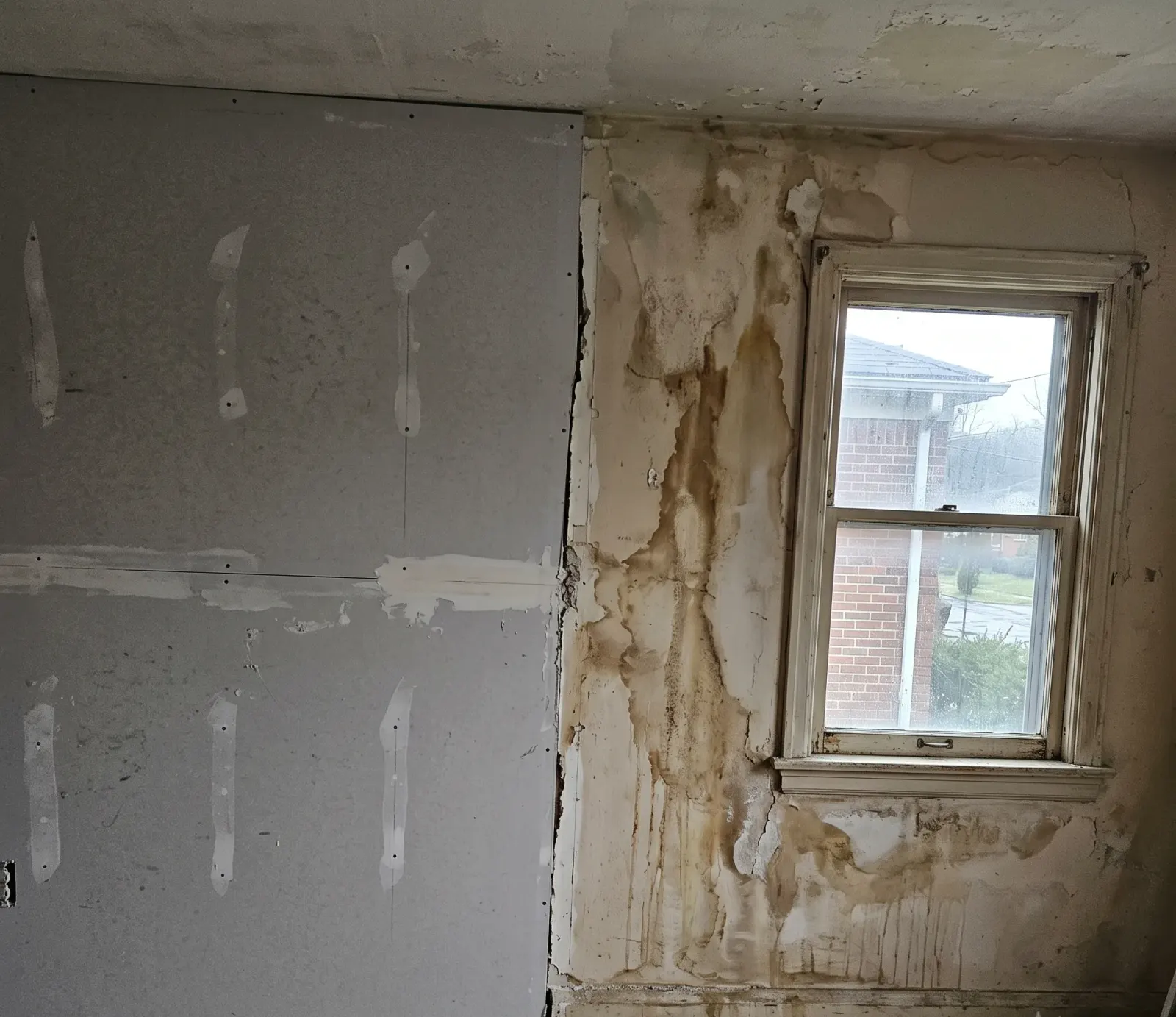
A ceiling stain days after a storm rarely marks the spot where water got in. On flat-roofed homes near Hollywood Hills or Emerald Hills, water travels along framing before it drops, so the wet insulation and drywall can sit yards from the actual break in the membrane or a clogged drain.