IICRC stands for a certifying body that trains and tests people on drying and cleaning methods. A company can list the letters on a truck without every tech on the job holding the credential, so the phrase alone tells a homeowner in Hollywood less than it sounds like it does.
What The Letters Stand For
IICRC is the acronym homeowners see on trucks and invoices around Hollywood and Fort Lauderdale. It stands for a certifying body, not a government agency. A technician earns it by completing coursework in water damage restoration, then keeps it current through renewal. The certificate belongs to the individual, even when a company advertises it as a company-wide credential.
A Certification Is Not A License
Florida licenses general and specialty contractors under Chapter 489, and separately licenses mold assessors and remediators under Chapter 468. IICRC certification sits outside both systems. A technician can be IICRC certified without holding either state license, and a licensed contractor can perform restoration work without ever completing IICRC coursework.
Why Companies Mention It At All
A quote that lists IICRC certification is telling a Hollywood homeowner that whoever shows up learned a documented method for drying a structure, rather than improvising one. That matters because a slab under terrazzo or tile can look dry while the concrete underneath is still saturated. Training shapes whether that gets caught before the floor goes back down.
What The Training Actually Covers
Courses cover moisture measurement, drying equipment placement, and categorizing water by its source and contamination level. In a concrete block home near Hollywood Hills or Emerald Hills, that training is what tells a technician to open the wall and dry the block from inside rather than running a fan across painted drywall and calling it finished.
It Says Nothing About The Company
A certified technician can work for a company with no insurance, no local address, or no track record in Broward County. The credential travels with the person, not the business card. A homeowner comparing quotes in Driftwood or Liberia is still evaluating the company separately from whatever training the crew on site happens to hold.
Certification And Mold Work Diverge
Mold work sits under separate Florida rules from general drying and rebuild work, with assessment and remediation kept apart by statute so one side does not grade its own work. That split matters more to a homeowner than any single training badge on a truck.
Ask What The Certification Actually Trained
IICRC offers separate courses for water damage, fire damage, mold, and carpet cleaning, among others. A technician certified in one area isn't automatically trained in another. A useful question for a Hollywood homeowner is which specific course the person on site completed, not just whether the word IICRC appears somewhere on the invoice.
Renewal Lapses Happen Quietly
IICRC certifications require periodic renewal to stay current. A company's marketing material can describe a technician as certified years after that person's individual credential expired. There's no simple way for a homeowner to verify this in the moment, which is part of why the credential should support a decision, not replace basic questions about the work itself.
What To Ask Before You Sign
Ask which specific person on the crew holds the credential, not whether the company does, since a listing can cover one office manager. Someone weighing quotes near Young Circle or Emerald Hills gets more from that one question than from the logo on the estimate.
Where This Fits In A Real Quote
Certification is one line in a larger picture that includes licensing, insurance, and a written scope of work. None of it replaces reading the estimate itself. A homeowner near Port Everglades or the Intracoastal Waterway comparing two quotes should weigh the credential alongside those other documents, not instead of them.
Getting The Right People On Site
A training credential says someone studied a method; it says nothing about who shows up, how fast, or what the estimate covers. Ask about training the same way you'd ask about a quote before choosing among the licensed pros working a Hollywood address, and treat the answer as one input, not the deciding one.
Dealing with this in your home?
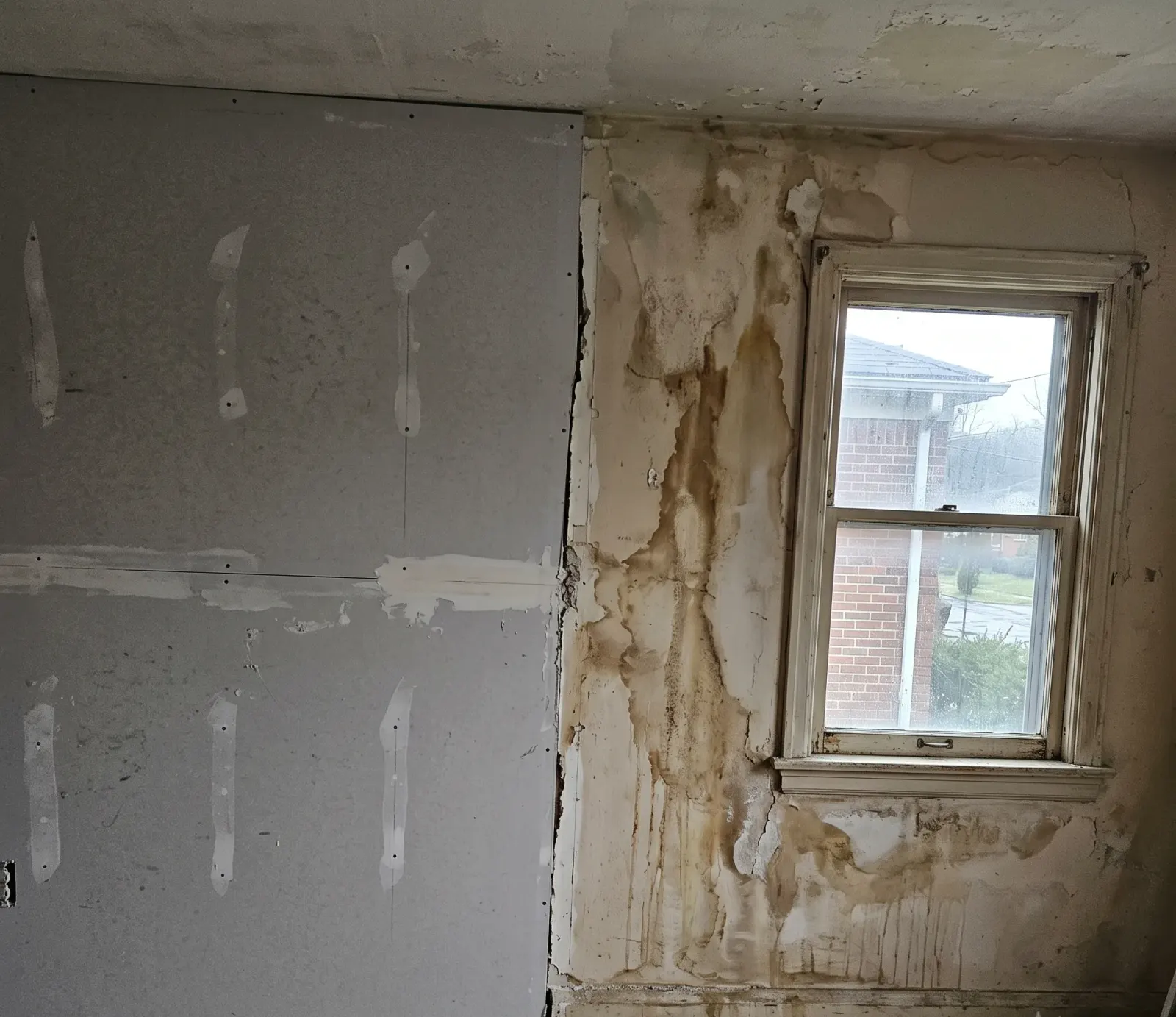
A ceiling stain days after a storm rarely marks the spot where water got in. On flat-roofed homes near Hollywood Hills or Emerald Hills, water travels along framing before it drops, so the wet insulation and drywall can sit yards from the actual break in the membrane or a clogged drain.