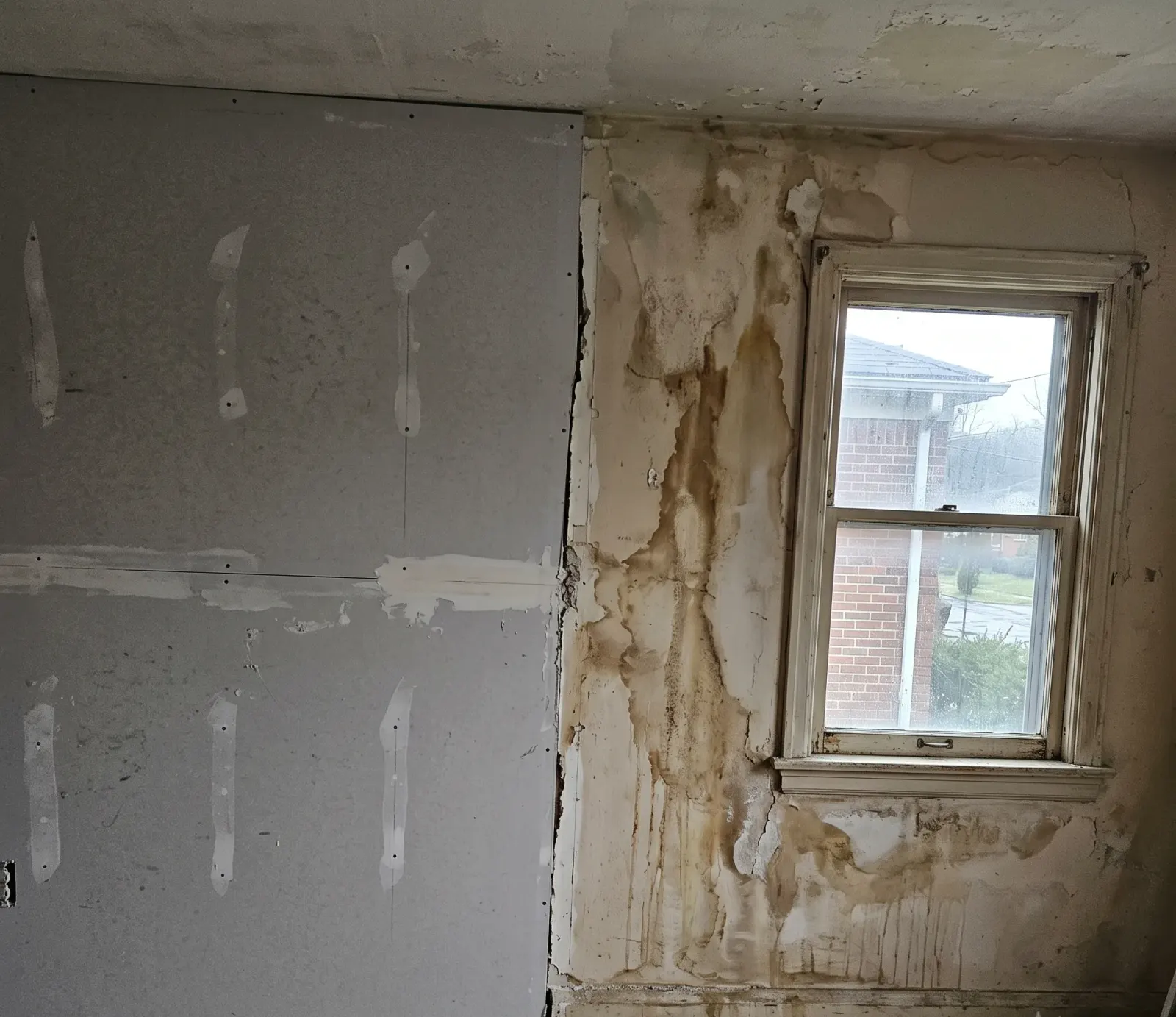
Selling a Hollywood home that once had water damage is legal. Florida law does not ban the sale. What it requires is disclosure. A seller who knew about past flooding, a slab leak, or mold and says nothing can face a lawsuit after closing, even years later, once the buyer finds the history.
What Florida Disclosure Law Actually Requires
Florida law does not require a seller to fill out a specific standardized disclosure form listing every past repair. Instead sellers must disclose facts materially affecting a buyer's decision that aren't easily seen on a walkthrough. Past water intrusion or mold, once discovered and treated as significant, generally falls into that category rather than something a seller can simply leave unmentioned.
Why a Repaired Loss Still Counts
A homeowner near Hollywood Lakes might reason that once drywall is replaced and a room repainted, the history is over. It is not. The obligation attaches to what the seller knew happened, not to whether the repair looks finished. A dried-out, repainted room is still a known past event.
The Seller's Disclosure Form Itself
Most Florida residential sales use a seller's property disclosure form asking directly about prior water damage, leaks, and mold. Answering no when the seller knows otherwise is the exact scenario the disclosure duty exists to prevent, whether the property sits in Driftwood, Boulevard Heights, or along the Intracoastal Waterway.
What Hidden Slab Damage Looks Like Here
Terrazzo and tile sit directly on the slab in many older Hollywood houses, and neither material soaks up much moisture. A buyer's inspector can walk through and see clean, solid flooring while the concrete underneath still holds water from a leak years back, with no visible sign at the surface that anything ever happened there.
Cast Iron Pipes and What Sellers Often Miss
Drain lines running under the slab in houses built before the 1970s are often cast iron, and that material breaks down from the inside as it ages. A seller who patched a slow drain or a backup without ever learning the pipe itself was failing may not realize the underlying problem was never actually resolved.
AC Condensate Leaks Are Easy to Forget
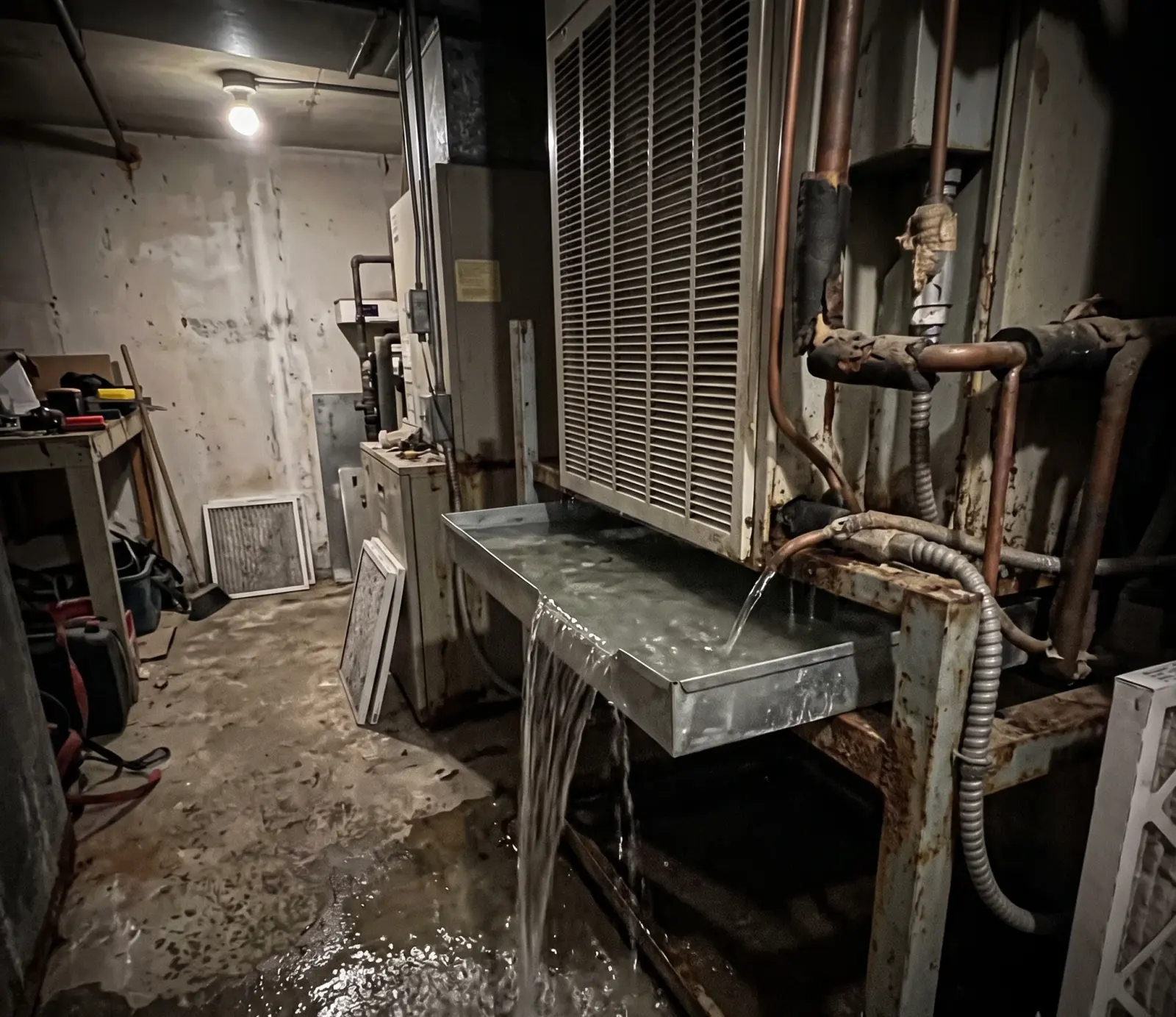
A blocked condensate line or an overflowing drain pan on an air handler can leak for months without anyone noticing until a stain shows on a ceiling or closet wall. Sellers sometimes treat this as minor maintenance rather than water damage, but if it happened, it belongs on the disclosure form.
What Buyers Can Ask For Before Closing
A buyer weighing a listing near Young Circle or out toward Emerald Hills has every right to ask directly whether the house ever flooded or grew mold, and to ask for whatever paperwork exists from the work that followed. A seller who answers vaguely is worth pressing further, not walking away from immediately.
Mold History Adds a Separate Wrinkle
If mold was found and treated, ask who did the assessment and who did the remediation. Florida limits one company doing both jobs on the same house inside a set window, so separate names on the paperwork is normal and actually points toward a cleaner history, not a red flag on its own.
What Happens If Disclosure Is Skipped
None of this means walk away from a house in Liberia or Driftwood just because it flooded once. It means asking for records, understanding what was fixed and how, and deciding with real information instead of guessing. A documented repair is a very different thing from a hidden one.
Getting a Clear Record Before You List
Before listing a home anywhere from Hollywood Lakes to Driftwood, it helps to have a clear account of any past water event: what happened, what was repaired, and whether a slab or wall cavity was ever tested afterward. That record protects the seller as much as it informs the buyer.
When a Moisture Check Makes Sense
If a seller isn't sure whether an old leak left moisture behind under tile or inside a wall, a moisture inspection before listing can settle the question either way. Knowing the real condition of the home is worth more than guessing, whether the answer turns out clean or not.
Dealing with this in your home?
A ceiling stain days after a storm rarely marks the spot where water got in. On flat-roofed homes near Hollywood Hills or Emerald Hills, water travels along framing before it drops, so the wet insulation and drywall can sit yards from the actual break in the membrane or a clogged drain.