On a clear day with no rain in sight, some Hollywood streets flood anyway. This is a king tide: the year's highest predicted high tides, when the sun and moon line up in a way that pulls ocean water higher than usual. No storm is required. Low-lying blocks near the Intracoastal Waterway are among the first to show it.
What Actually Causes a King Tide
King tide is simply the name for the highest tides of the year, when the moon and sun pull together at the point in Earth's orbit that adds a little extra height to normal high tide. Hollywood typically sees a smaller version in spring and the more noticeable flooding in October and November, when several inches of extra water can push onto low streets near the coast.
Why Hollywood Streets Flood So Easily
Streets flood because Hollywood sits low to begin with, with elevation generally described as somewhere between the single digits and low teens in feet above sea level depending on the exact spot measured. When tide height climbs during a king tide, there is only a small buffer left before water has nowhere to go but onto pavement and yards.
Streets and Neighborhoods That Feel It First
News coverage has documented king tide flooding along roads and driveways in Hollywood, in one case with roughly two feet of standing water. Areas near A1A close to the beach and low-lying spots inland have both seen this. A resident near Hollywood Lakes or Emerald Hills may notice standing water at the curb well before it reaches a home's front door.
How This Differs From Storm Surge
Hollywood has responded with capital projects rather than just complaints. City stormwater work funded under the adopted master plan has moved into construction, with pump stations and elevated seawall sections planned for A1A meant to hold tidal water out of the roadway. It's a multi-year effort, and until each segment finishes, the low ground near the Intracoastal Waterway keeps flooding on the same king tide days it always has.
What the City Has Been Doing About It
Hollywood owns and runs its own stormwater system, covering pipes, channels, swales, and pumping stations under city code. The city adopted a Stormwater Master Plan and has continued capital projects into 2025 and 2026, including new pump stations and seawalls along A1A aimed specifically at reducing tidal flooding in low-lying parts of the city.
Why the Existing System Still Struggles
The pace of these capital projects suggests the current drainage network has real limits against king tide water levels. Pipes and pumps built for ordinary rain events do not always keep up when the tide itself is already elevated before a single drop of rain falls, which is part of why flooding shows up on calm, sunny days.
What Standing Water Can Mean for a Home
Street flooding does not stay confined to the street forever. Water sitting against a foundation, driveway, or garage slab for hours can work its way toward a home's lowest points. Hollywood homes are not built with basements, given the region's high water table, but a slab-on-grade home still has entry points at doors, low windows, and utility penetrations.
Recognizing When Water Has Gotten In
Signs are often quiet rather than dramatic: a musty smell near an exterior wall, a baseboard that feels soft, or discoloration creeping up drywall a day or two after a flood event. Because king tides recur on a predictable cycle, a home that took in water during one event is a strong candidate to do so again during the next.
The Difference Rainy-Season Timing Makes
King tide flooding can overlap with hurricane season, which runs June through November by NOAA's calendar, meaning heavy rain and elevated tides sometimes arrive close together. When a rain event lands on top of an already-high king tide, water that would normally drain slowly has nowhere to go, and street flooding can turn into standing water that lingers for days.
What to Watch For Around Your Property
Check how water moves around a home during a known king tide date rather than waiting for a hurricane warning. Note where water pools longest, whether it reaches a garage or exterior door threshold, and whether it recedes within hours or sits overnight. That pattern says more about a property's real flood exposure than a single storm ever will.
When It's Worth a Closer Look Inside
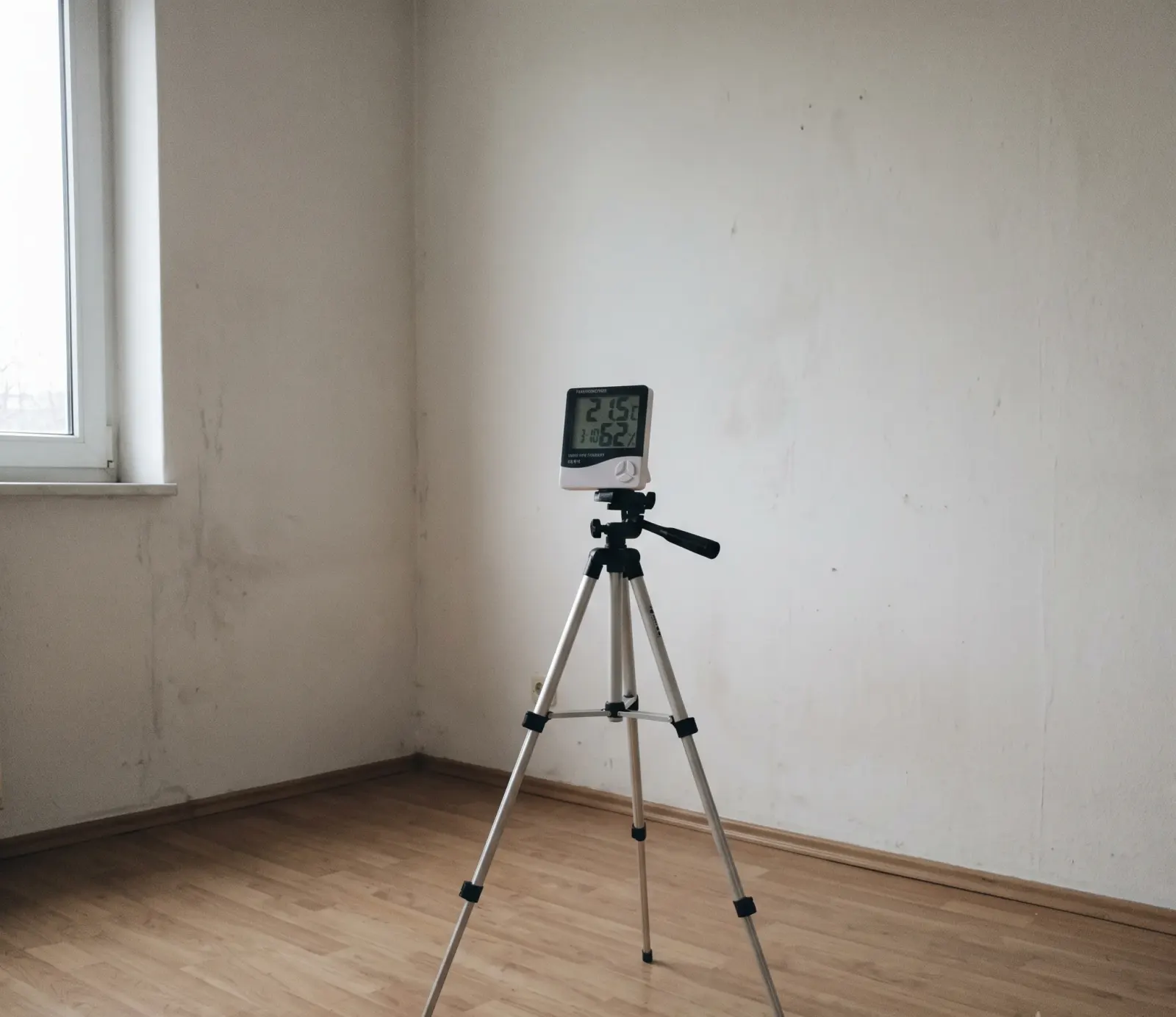
If water reached a threshold, a garage, or a slab edge during a king tide, it is worth checking inside for dampness even without visible flooding indoors. The licensed pros we connect you with can assess moisture at the source and explain what, if anything, needs drying out before it becomes a longer-term problem.
Dealing with this in your home?
A ceiling stain days after a storm rarely marks the spot where water got in. On flat-roofed homes near Hollywood Hills or Emerald Hills, water travels along framing before it drops, so the wet insulation and drywall can sit yards from the actual break in the membrane or a clogged drain.