Someone runs a fan for three days in Hollywood and the carpet still feels damp. That is not a broken fan. Outdoor humidity here stays high most of the year, so the air a window lets in is often already carrying as much moisture as the wet material is trying to give off, which stalls the whole process.
What Drying Actually Means
Drying a wet building means moving water out of materials and into the air, then removing that moisture from the air entirely. Opening windows only does the first half. Without a way to pull the moisture back out, the air fills up and stops accepting more, and the material stays wet no matter how much it moves.
Why Open Windows Backfire Here
In a dry climate, cracking a window works because outside air is thirstier than the air inside. Hollywood's outdoor air rarely qualifies. For much of the year it is already near saturation, so ventilating a wet room with it can add moisture rather than remove it, undoing hours of work in minutes.
The Role of a Closed Envelope
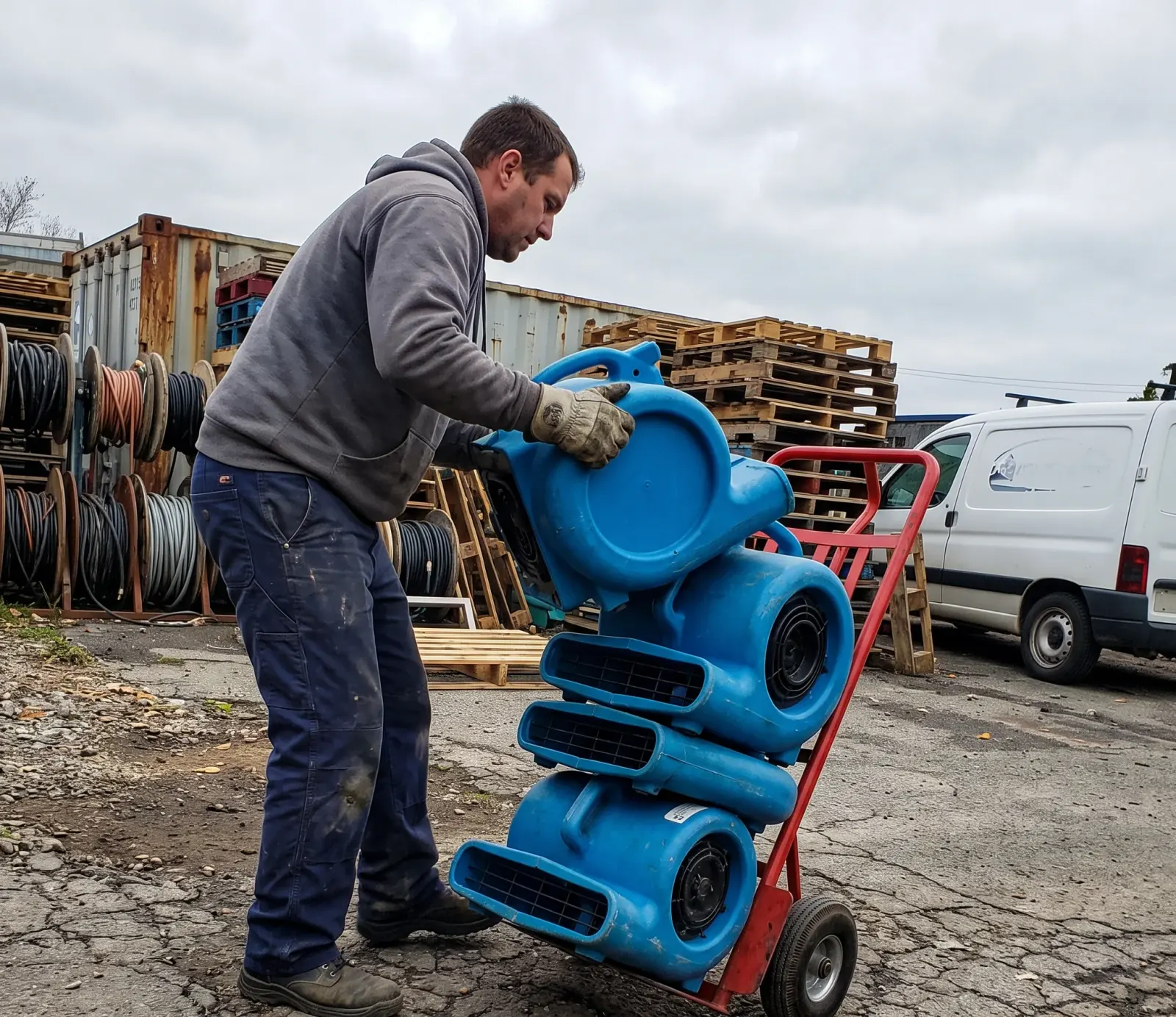
Because outside air cannot be counted on to help, drying here is done with the building sealed rather than opened up. Doors and windows stay shut, air movers keep surfaces exposed to moving air, and a dehumidifier does the actual work of pulling water out of that air and into a drain or tank.
Why the Dehumidifier Runs Longer
A dehumidifier has to work against whatever moisture load the room holds, and in Hollywood that load resets constantly because humidity outside stays high and pushes in through any gap. Up north, a dehumidifier can catch up and shut off for stretches. Here it tends to run closer to continuously until the material underneath is actually dry.
Air Conditioning Is Already Fighting This
Hollywood sits close to the coast, and the outdoor air stays thick with moisture for most of the year. Opening windows to speed up a drying job does not work here the way it might somewhere drier. Bringing in outside air can actually add moisture rather than remove it, so a wet room has to be sealed off and dried on its own terms.
Why the Mold Clock Moves Faster
Inside that sealed room, dehumidifiers pull moisture out of the air while fans push damp air toward them, and the machines end up running longer stretches than they would in a drier region. Warm, humid conditions also give fungal growth an earlier start once materials are wet, so a slower-drying climate shortens the window before a damp wall or subfloor turns into a bigger problem.
Terrazzo and Tile Complicate the Read
That timeline matters for anyone near Young Circle, Hollywood Lakes, or Emerald Hills weighing whether to wait out a leak. A slab or terrazzo floor can feel dry on the surface while moisture is still sitting underneath, and the humidity outside means that hidden moisture has nowhere quick to go once it's trapped.
Why Meters Matter More Than Touch
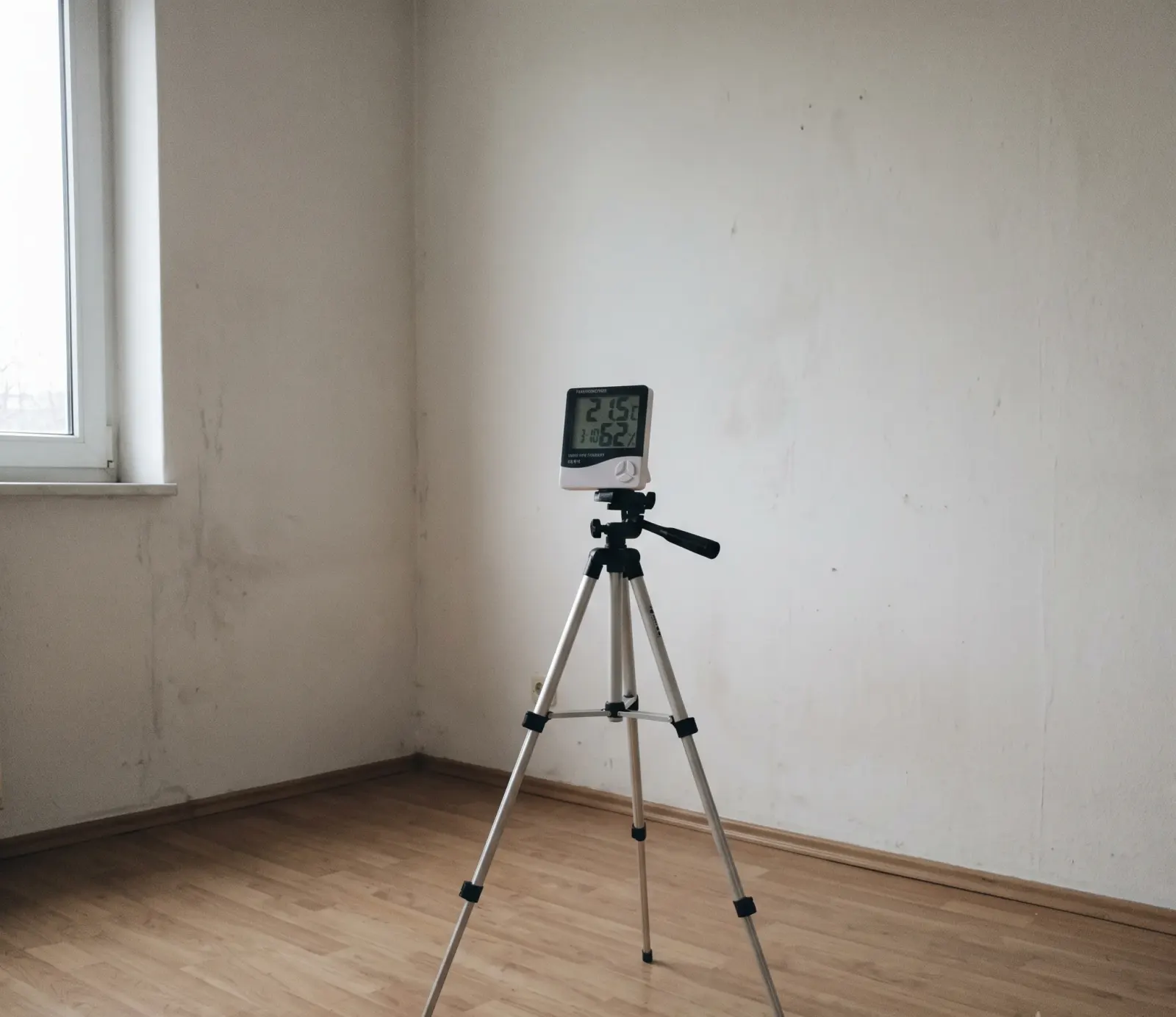
Because hard flooring hides what is happening below it, judging dryness by hand or by eye is unreliable in a lot of Hollywood construction. A moisture meter reads what the slab and wall base actually hold, which is the only way to know a room is dry rather than just looking dry on the surface.
The Shallow Water Table Adds Pressure
The Biscayne aquifer under Broward County sits close to the surface, which is part of why ground here has limited extra capacity to absorb heavy rain. That same shallow water table means below-slab moisture in a home near Downtown Hollywood or Driftwood is working against groundwater proximity, not just air humidity, when it comes time to dry.
What a Realistic Timeline Looks Like
There is no fixed number of days that applies to every Hollywood house, because outdoor humidity, the season, and what the material is (drywall versus a saturated slab under terrazzo) all change the math. What stays constant is that the drying has to be measured, not guessed at, and checked again before it is called finished.
Where This Leaves a Homeowner
None of this means drying is hopeless in a climate like this one. It means the equipment has to run longer and the building has to stay closed up while it does. The licensed pros we connect you with size that equipment to the room and the season rather than to a guess, which is the actual difference in outcome.
Dealing with this in your home?
A ceiling stain days after a storm rarely marks the spot where water got in. On flat-roofed homes near Hollywood Hills or Emerald Hills, water travels along framing before it drops, so the wet insulation and drywall can sit yards from the actual break in the membrane or a clogged drain.