Hurricane season runs through November, and once it passes, most Hollywood homeowners exhale and move on. But the months of rain, humidity and storm stress leave behind slow problems that a quick glance won't catch. This checklist walks through what to look at now, before a small leak becomes a wet drywall replacement in March.
Start With the Roof Edges
Walk the perimeter of the house and look up at the roofline, not just the shingles or tiles themselves. Lifted flashing around chimneys or vents, cracked sealant, and displaced tiles near Hollywood Hills and Emerald Hills rooflines are common after a season of wind-driven rain. These gaps let water in slowly, long before a ceiling stain shows up inside.
Check the Attic for Staining
A flashlight and ten minutes in the attic tells you more than a walk around the yard. Look for dark staining on the underside of the roof deck, damp insulation, or a musty smell near the ridge. In older Hollywood homes, this is often the first sign of a slow roof leak that started weeks earlier during a storm.
Look at Where the Slab Meets the Wall
Most homes in Hollywood sit on a concrete slab, and water intrusion often shows up first at the base of exterior walls rather than at the roof. A faint waterline, bubbling paint, or a soft spot in the baseboard near ground level can mean water worked its way in during heavy rain and never fully dried out.
Test Every Condensate Drain Line
Air conditioning runs nearly year-round here, and the condensate line is one of the quietest sources of water damage in a Florida home. Check the drain pan under the air handler and make sure the line isn't clogged with algae buildup from a long, humid season. A slow drip behind a closet door can go unnoticed for weeks.
Walk the Yard for Drainage Changes
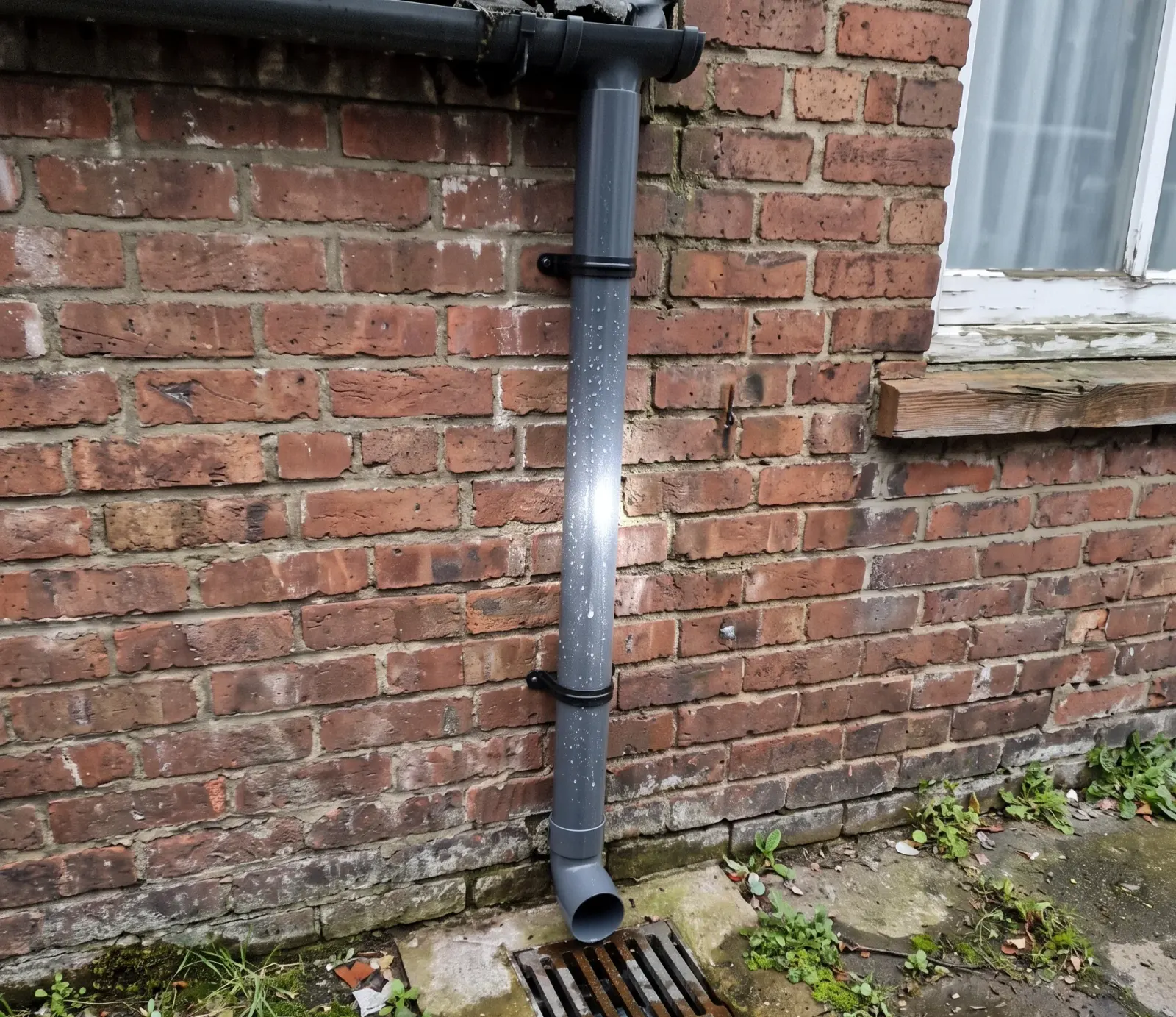
Storm season can shift how water moves around a property. Look for new low spots near the foundation, gutters that no longer drain away from the house, or downspouts that got knocked loose. Standing water against a wall for even a day or two after rain is worth addressing before the next system rolls through.
Check Cast Iron Drain Lines for Backups
Air handlers deserve a look too. Units tucked into closets or attics run most of the year here, and a clogged condensate line or a rusted pan leaks quietly for weeks before anyone notices a stain on the ceiling below. If a Hollywood Hills or Emerald Hills home went through storm season with the AC cycling on backup power, check the drain pan and line before assuming the system came through fine.
Smell for Musty Odors in Closets
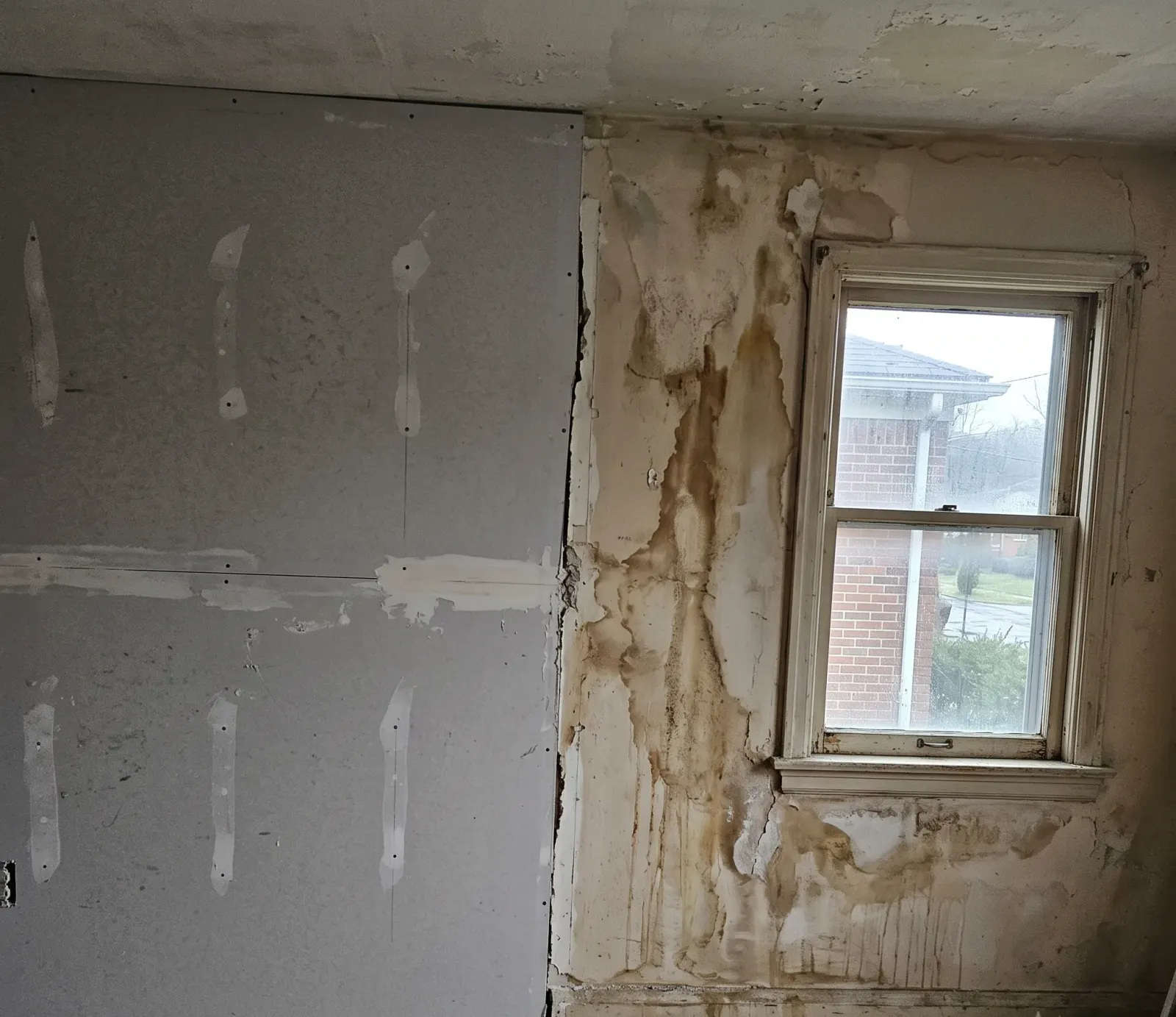
A closet or a room that was closed up during a storm can trap moisture without anyone noticing. Open every interior closet, especially ones on exterior walls, and take a breath. A musty or damp smell, even without visible staining, usually means moisture got into the wall or the materials inside and never fully left.
Inspect Window and Door Seals
Wind-driven rain during storm season pushes water into gaps that never get tested the rest of the year. Run a hand along interior window sills and door thresholds after the season ends, feeling for softness or discoloration. This is common on the ocean side of town near Hollywood Beach, where wind exposure is highest.
Watch the Walls, Not Just the Paint
Air handlers keep running through the humid stretch that follows storm season, and every hour of runtime sends condensate somewhere. If the drain line is clogged or the pan has started to rust, that water finds the closet floor or the attic decking instead of the drain, and it does it a few ounces at a time, not all at once.
Know When It's More Than a Checklist
If any of these checks turn up standing moisture, a persistent odor, or visible staining that keeps spreading, it has likely moved past what drying a room with fans will fix. That's the point where getting an assessment from the licensed pros we connect you with makes more sense than waiting to see if it dries on its own.
Make This an Annual Habit
Hurricane season will return next June, and the homes that hold up best over the years are the ones checked every fall, not just after a storm caused visible damage. A yearly walk-through of the roof, attic, slab edges and closets takes less than an hour and catches problems while they're still small.
Dealing with this in your home?
A ceiling stain days after a storm rarely marks the spot where water got in. On flat-roofed homes near Hollywood Hills or Emerald Hills, water travels along framing before it drops, so the wet insulation and drywall can sit yards from the actual break in the membrane or a clogged drain.