Hotels & Hospitality
Hospitality Water Damage, Hollywood
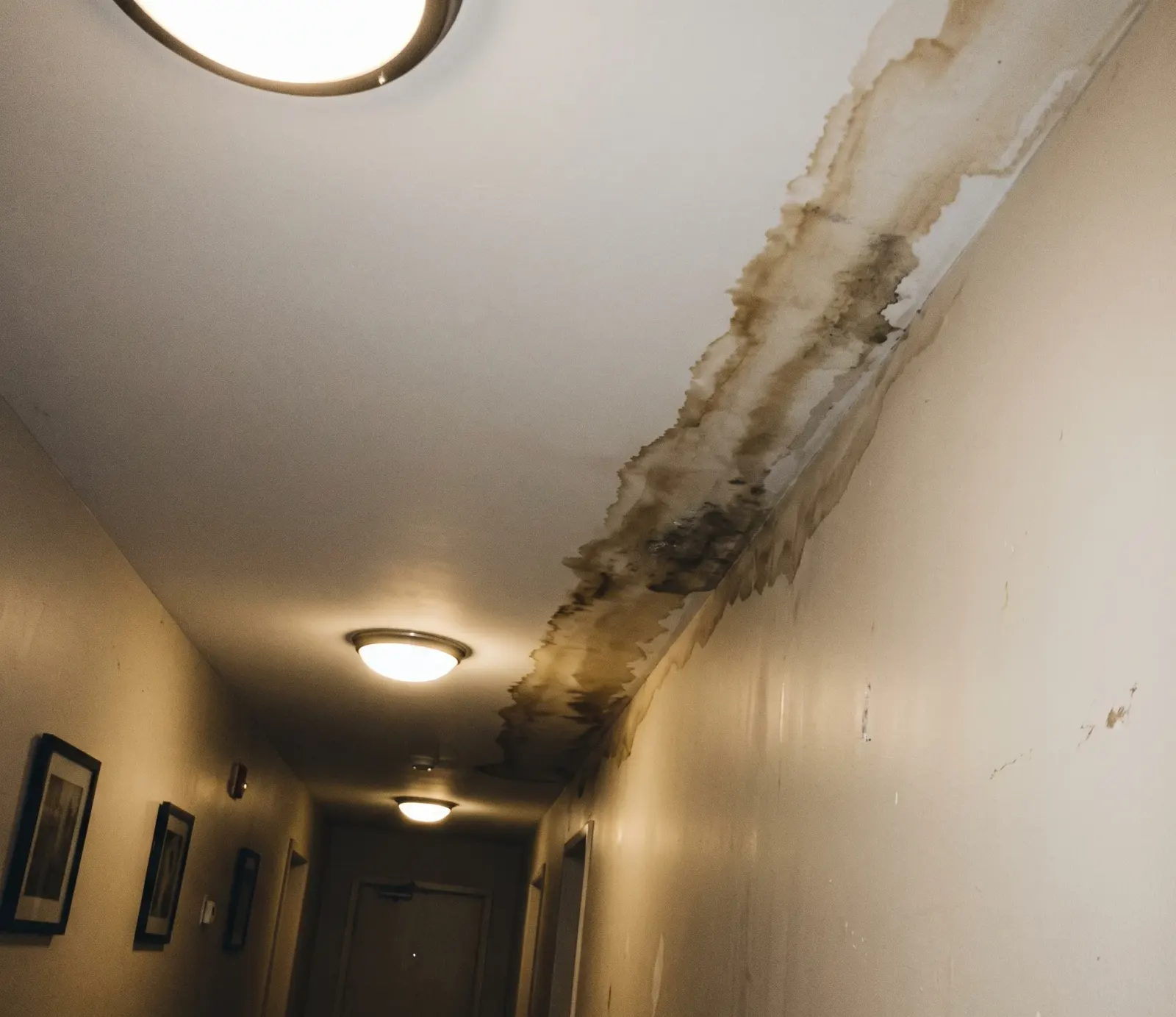
Shared risk across units means one leak in Hollywood Hills or Emerald Hills rarely stays contained to one apartment
Multifamily and apartment water damage in Hollywood, FL spreads through shared walls, ceilings, and plumbing chases, so one unit's leak often becomes several units' problem within hours. Speed matters because tenants can't be displaced longer than necessary and common areas like hallways and stairwells carry water between floors. The licensed pros we connect you with assess the full building footprint, not just the unit where the leak was reported.
An apartment building in Hollywood carries a kind of water damage risk a single-family home doesn't: one failure rarely stays contained to one unit. A supply line break on the third floor can run down through two more units before anyone upstairs even notices standing water in their own kitchen.
Buildings near Hollywood Lakes, Emerald Hills, and Downtown Hollywood range from older mid-rise construction to newer complexes, and the plumbing runs and shared wall assemblies differ by building age. What doesn't change is that water moving through a shared structure puts more than one household at risk from a single point of failure.
Flat and low-slope roofs are common on multifamily buildings across the city, and they only shed water as long as the membrane and drains stay clear. A blocked drain can pond water that eventually finds its way through the roof assembly and shows up as a stain on a top-floor ceiling well after the leak actually started.
Every unit affected by a leak means another displaced tenant, another unit off the rent roll, and another conversation a property manager has to have. In a multifamily building near US-1 or Pines Boulevard, a slow leak that goes unaddressed for a week can turn a one-unit problem into a three-unit vacancy.
Common areas add pressure of their own. A flooded lobby or laundry room in a Hollywood apartment complex isn't just an inconvenience, it's a shared amenity every resident relies on, and it stays visible to every tenant walking past it until it's fixed.
| Risk Area | Why It Spreads | Response Priority |
|---|---|---|
| Shared plumbing chase leak | Multiple units, stacked floors | Fast isolation limits unit count affected |
| Shared laundry room supply line failure | Ground-floor units, storage rooms below | Same day, before mold sets into drywall |
| Upper-floor unit overflow or plumbing leak | Ceiling and walls of unit below | Within hours, before ceilings sag or fall |
| Flat roof drain blockage or membrane failure | Top-floor units, shared attic space | Before next rain event repeats the leak |
| Corridor or stairwell water intrusion | Shared means of egress, multiple unit doors | Fast, life-safety and access are involved |
| Aging cast iron drain line backup | Ground-floor units along the shared stack | Quickly, before it repeats on every floor |
| Water intrusion during active leasing turnover | Vacant unit, adjoining occupied units | Tight, move-in dates rarely move |
| King tide or heavy rain ground-floor intrusion | Ground-floor units, parking and storage areas | Right away, water keeps arriving with the tide |
Multifamily buildings often run cast iron drain lines under the slab if they were built before the 1970s, and those lines corrode from the inside over decades. In older sections of Hollywood, a slow drain or a backup on a lower floor can trace back to a lateral or drain line nobody has looked at in years.
The line between a unit's own plumbing and the building's shared systems isn't always visible to a tenant standing in a flooded kitchen. A pipe run through a shared wall between two apartments off Sheridan Street may be feeding water damage on both sides before either resident calls anyone.
Heavy rain events, like the one that brought flash flooding across Hollywood in June 2024, test ground-floor units and parking garages first. Water intrusion at grade level in a multifamily building spreads sideways through connected slabs and hallways faster than it would in a standalone house.
The licensed pros we connect you with can assess more than the unit where the problem was first reported. In a shared building near Downtown Hollywood or Emerald Hills, that means checking the unit below a leak, the hallway ceiling near it, and any common area the water may have reached before it's called done.
Getting extraction and drying started quickly matters more in a multifamily setting because the exposure compounds across units and shared spaces. A response that treats the building as one connected system, rather than one apartment in isolation, is what actually limits how far a single failure spreads.
An apartment building in Hollywood, FL is built with units stacked and joined by shared walls, ceilings, and plumbing runs, so water rarely stays where it started. A leak in one unit near Hollywood Boulevard or Sheridan Street can show up as a stain two floors down before anyone upstairs even knows there's a problem.
That shared structure is also why response speed carries more weight in multifamily buildings than in a single house. A slow start in one unit in a complex near Emerald Hills or Driftwood can mean drying out three or four units instead of one, and drywall and flooring decisions multiply with every unit the water reaches.
One unit's leak rarely stays one unit's problem. Water crosses a shared ceiling or wall and shows up as damage in the apartment below, which turns a single-unit repair into a multi-tenant relocation question. In a Hollywood complex near Young Circle or along Pines Boulevard, management needs the pros they connect with to document which unit the water started in, since that drives who pays and how fast the building can get residents back in.
Older buildings in neighborhoods like Hollywood Lakes or near US-1 may still carry original plumbing, including drain lines that have been in service for decades. In multifamily construction those lines often run through shared chases behind multiple units, so a slow drain or backup in one wall can point to a problem serving more than the apartment where it was first noticed.
Hollywood also sees recurring street and neighborhood flooding tied to heavy rain and king tide events, and ground-floor units in low-lying areas carry more exposure to that than upper floors do. A property near the Intracoastal Waterway or close to A1A faces a different intrusion risk than a building set back near Pines Boulevard, and that difference is worth accounting for before water ever gets inside.
Water damage help near Young Circle, Driftwood, and Boulevard HeightsDowntown Hollywood, Hollywood Lakes and Hollywood Hills. King tide and heavy rain flooding along Hollywood Boulevard and streets near Downtown Hollywood
Hollywood Lakes homes and Hollywood Hills homes sit on slab, not basement, so water spreads sideways under baseboards fast. Add year-round humidity and drying stalls before it starts. Ask the licensed pros we connect you with how soon they can get moisture readings started.A commercial space near Port Everglades or Young Circle carries its own drying math once flat or low-slope roofing is involved, since a ceiling stain can sit far from the actual leak. Ask for a scope that names the source before it names a price. pricing guide, and the commercial overview covers how a scheduled program works.
Hospitality Water Damage, Hollywood
Restaurant & Food Service Water Damage
Office & Retail Water Damage in Hollywood, FL
Yes, and it moves faster than in a single house. A pipe break or unit-to-unit leak in a Hollywood apartment building can travel through shared walls, floors, and ceilings into neighboring units within hours. The licensed pros we connect you with treat multifamily calls as multi-unit from the start, checking adjoining apartments even when only one tenant reported a problem, since water rarely stops at a lease line.
It depends on where the failure sits. A pipe serving only one apartment is typically that owner's or landlord's problem, while lines running through shared walls, ceilings, or common areas usually fall to the building or association. Multifamily properties near Hollywood Lakes and Emerald Hills often have older plumbing runs where the exact boundary isn't obvious until the source is traced.
Common areas carry their own risk profile: lobbies, laundry rooms, parking garages, and hallway ceilings see water damage from roof leaks, irrigation intrusion, or a unit above backing up. In flat-roofed buildings around Downtown Hollywood and along US-1, a blocked roof drain can show up as a ceiling stain in a hallway far from where water actually entered.
Standing water in a parking garage or ground-floor common area after a heavy rain event, like the flooding Hollywood saw in June 2024, needs extraction before it wicks into drywall or spreads to units above. The licensed pros we connect you with can respond to shared spaces even when no single tenant has filed a claim, since delay there affects every unit around it.
If a leak, backup, or storm intrusion has hit a Hollywood apartment building or multifamily property, call now. The licensed pros we connect you with can assess shared risk across units and common areas before the damage spreads further through the building.
Call (954) 676-1222