Condo & HOA Properties
Condo & HOA Water Damage, Hollywood, FL
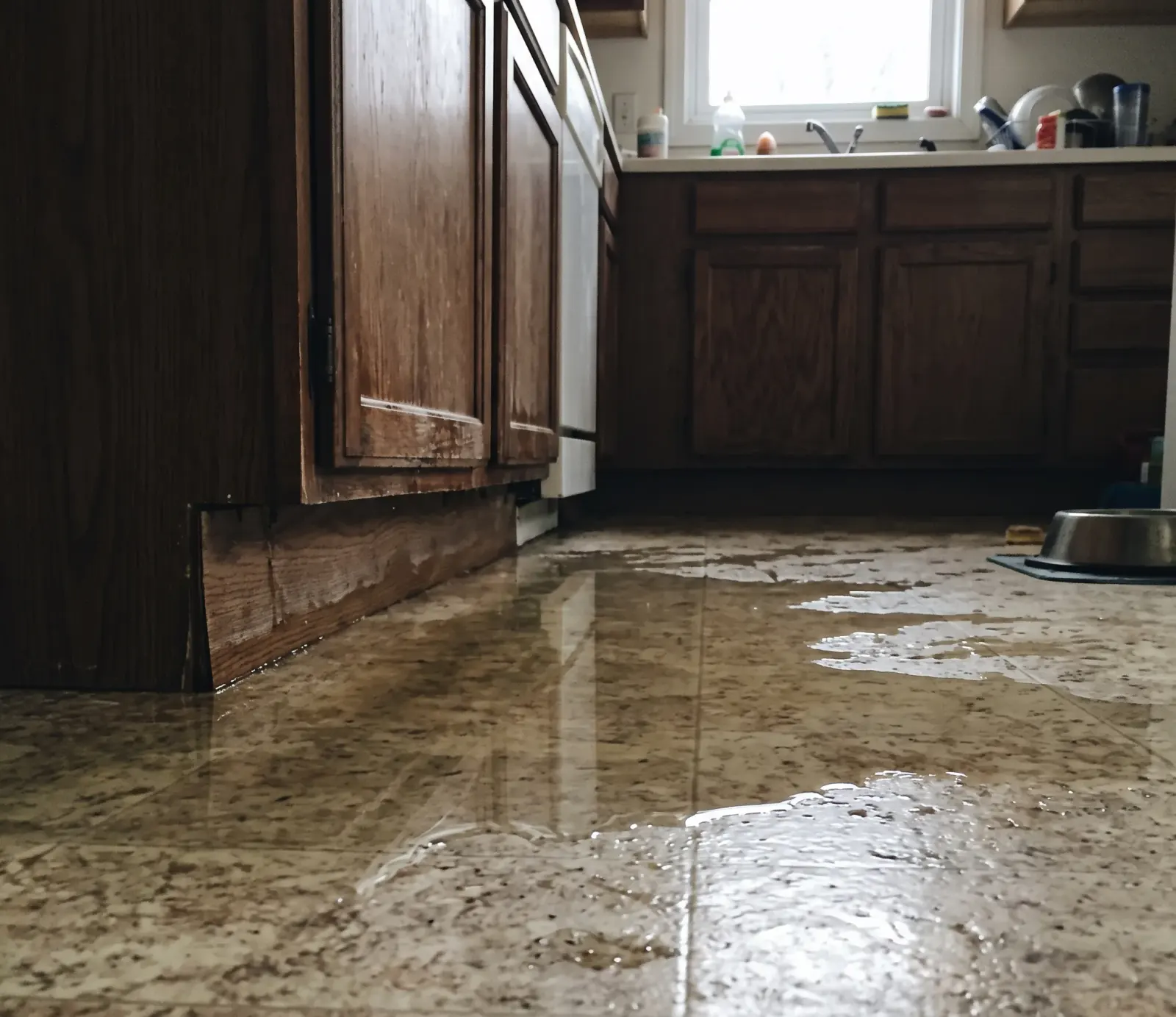
Kitchen and dining room water response built around health-code reopening, not just drying a floor
Water damage in a restaurant or food-service kitchen combines a life-safety and structural problem with a health-code deadline: standing water near cooking equipment, electrical lines, and food prep surfaces has to be extracted, dried, and documented before a health inspector will clear the space to reopen, and every closed day is lost revenue.
A restaurant on Hollywood Boulevard or near Young Circle runs on turnover, and a slow leak under a dish machine or a backed-up floor drain does not wait for a quiet night to show itself. Water finds the space under coolers, behind line equipment, and into the areas health inspectors check first. The pros connected through this site treat a food-service leak as a health code problem and a downtime problem at the same time, not just a wet floor.
Grease-adjacent water damage behaves differently than a clean-water leak. Water mixed with grease trap overflow or fryer runoff carries contamination risk that plain carpet or drywall extraction does not address, and health code compliance depends on documented cleaning, not just visible dryness. A kitchen near Downtown Hollywood or along US-1 has to pass the same inspection standard whether the water came from a burst supply line or a clogged grease interceptor.
Hollywood's rainy season, running roughly May through October, adds another layer for restaurants near the Intracoastal Waterway or close to Hollywood Beach, where street flooding and king tides can push water toward loading docks and back-of-house entrances. A kitchen at grade level is exposed the same way a home is, and the response has to move fast enough to protect a health permit, not just the floor.
Every hour a kitchen stays closed is lost revenue that does not come back, and a restaurant near the Broadwalk or Downtown Hollywood's dining district depends on daily covers in a way an office does not. The pros connected through this site prioritize extraction and drying sequences that let a kitchen reopen under health code as soon as the numbers allow it, rather than treating the job like any other commercial space.
Moisture trapped behind a cookline or under a walk-in cooler does not just risk mold. It risks a failed health inspection, a delayed reopening, and equipment damage that adds cost on top of the water loss itself. Documentation matters here too: a restaurant operator near Young Circle or Hollywood Boulevard needs a clear record of what was wet, what was treated, and what passed inspection before service resumes.
| Area | Common Cause | Downtime Risk |
|---|---|---|
| Kitchen and dining water event | Extraction, degreasing, documented drying | Health-code reopening, not just a dry floor |
| Walk-in cooler line failure | Slow leak under refrigeration flooring | Spoiled inventory and mold under sealed flooring |
| Grease trap or line backup | Contaminated water across kitchen floor | Health code closure until fully sanitized |
| Dishwasher or three-compartment sink overflow | Standing water under prep stations | Slip hazard and subfloor moisture near cook line |
| Rooftop AC or flat roof drain clog | Ceiling leak over dining or prep area | Water tracking far from the actual roof failure |
| Ice machine supply line split | Continuous water flow behind service line | Hidden moisture inside wall cavities and cabinetry |
| Sewer lateral backup from the street | Wastewater rising through floor drains | Immediate closure and full sanitation before reopening |
| King tide or heavy rain intrusion | Water entering at door thresholds or low points | Dining room flooring and baseboards left saturated |
Older buildings in Downtown Hollywood and along Hollywood Boulevard often sit on cast iron drain lines that corrode from the inside over decades. In a commercial kitchen, that kind of failure tends to show up as slow drains or backups near the dish pit long before anyone sees an obvious burst, and by then water has usually already reached areas a health inspector will check.
A restaurant's sewer lateral, the line connecting the building to the city main, is generally the property's responsibility, and an aging lateral can be the real source of a backup that looks like a clogged kitchen drain. Confirming where the water actually came from matters before any repair or cleanup plan gets set, especially in a building near Young Circle where plumbing ages alongside the structure.
None of this involves a basement or a frozen pipe. Hollywood's flat, low-lying ground and its subtropical climate mean the water threat to a restaurant kitchen comes from grade-level sources: supply line failures, drain backups, grease trap issues, and storm-driven flooding near the coast, not the seasonal risks a restaurant further north would plan around.
Florida's 2023 ban on assignment of benefits changed how a restaurant's insurance claim gets handled after a water loss, and the same 1-year notice deadline for new claims applies to a food-service tenant near Hollywood Boulevard the same way it applies to a house. Commercial policies vary, but the underlying Florida claim-notice timeline is not something a busy operator can afford to lose track of.
Florida Statute §83.51 sets the landlord's obligation to keep plumbing in reasonable working condition and structural components in good repair when a restaurant leases space near Downtown Hollywood or elsewhere in the city. A tenant dealing with a recurring leak has a real interest in knowing where that landlord responsibility sits before the next event happens.
A kitchen fire suppression discharge, a burst dishwasher line, or a backed-up floor drain shuts a restaurant down at the worst possible hour. The licensed pros we connect you with know that grease residue mixed with standing water creates a slip hazard and a health-code problem at once, so extraction and degreasing happen together, not as two separate visits days apart.
Every hour a dining room stays wet is an hour of lost covers, and Hollywood's tourism traffic near the Broadwalk and Young Circle does not wait for a table to reopen next week. Moisture readings get documented room by room so the health inspector, the landlord, and the insurer are all looking at the same numbers, not competing guesses.
Walk-in coolers, ice machine lines, and grease traps sit low in most kitchen layouts, which means a slow leak often pools under equipment long before anyone notices standing water on the floor. In older Hollywood buildings, some still on cast iron drain lines original to construction, a slow drain backup can look identical to a fresh leak until the source is traced.
Flooring in a commercial kitchen is usually sealed tile or quarry tile over a slab, and water travels sideways under that tile far faster than it shows on the surface. Drywall behind a prep line or dish pit wicks moisture upward, and if it is not caught early the wall cavity stays wet long after the floor looks dry.
A restaurant near Hollywood Beach or Downtown Hollywood carries humidity load year-round, and a water event during the rainy season between May and October compounds fast. Drying equipment gets sized to the kitchen's own ventilation and heat output, not a generic dining-room setup, because a walk-in cooler and a six-burner range change how a space actually dries.
Serving Hollywood Lakes, Hollywood Hills, Emerald Hills, and LiberiaHallandale Beach, Dania Beach and Pembroke Pines. Slab leaks and drying delays common in Hollywood Hills and Boulevard Heights concrete block homes
Hollywood Lakes homes and Hollywood Hills homes sit on slab, not basement, so water spreads sideways under baseboards fast. Add year-round humidity and drying stalls before it starts. Ask the licensed pros we connect you with how soon they can get moisture readings started.A commercial space near Port Everglades or Young Circle carries its own drying math once flat or low-slope roofing is involved, since a ceiling stain can sit far from the actual leak. Ask for a scope that names the source before it names a price. pricing guide, and the commercial overview covers how a scheduled program works.
Condo & HOA Water Damage, Hollywood, FL
Hospitality Water Damage, Hollywood
Multifamily Water Damage Response
Grease trap overflow is treated as contaminated water, not clean water, because it can carry bacteria and food waste residue along with the water itself. The cleanup and drying approach has to account for that, and documentation of the cleaning matters for passing a health inspection before a kitchen near Hollywood Boulevard reopens.
Reopening time depends on how much water reached porous surfaces and how quickly extraction and drying started. A fast response to a leak near a dish pit or walk-in cooler generally limits the area affected, which shortens the path back to a passed health inspection and reopened service.
Yes. Cast iron drain lines under older buildings in Downtown Hollywood and similar areas can corrode internally for decades before failing, often showing up first as slow drains or backups rather than a visible burst. A kitchen's dish pit or floor drains are common places this shows up first.
Florida's insurance claim notice deadlines apply to commercial policies too, and the 2023 assignment of benefits ban changed how those claims can be handled. A restaurant operator dealing with a water loss should confirm the applicable notice window with their carrier rather than assume it matches a residential policy.
If a kitchen, dish pit, or dining area in Hollywood has taken on water, reach out now. The licensed pros we connect you with can assess the space, start extraction, and put together documentation your health inspector and insurer will both accept.
Call (954) 676-1222