Water damage doesn't always announce itself with a flood. In Hollywood homes, the first evidence is often something small and easy to explain away: a bubble in the paint, a door that suddenly sticks, a smell that wasn't there last week. These are the signs worth slowing down for.
Paint and Drywall Telling You Something
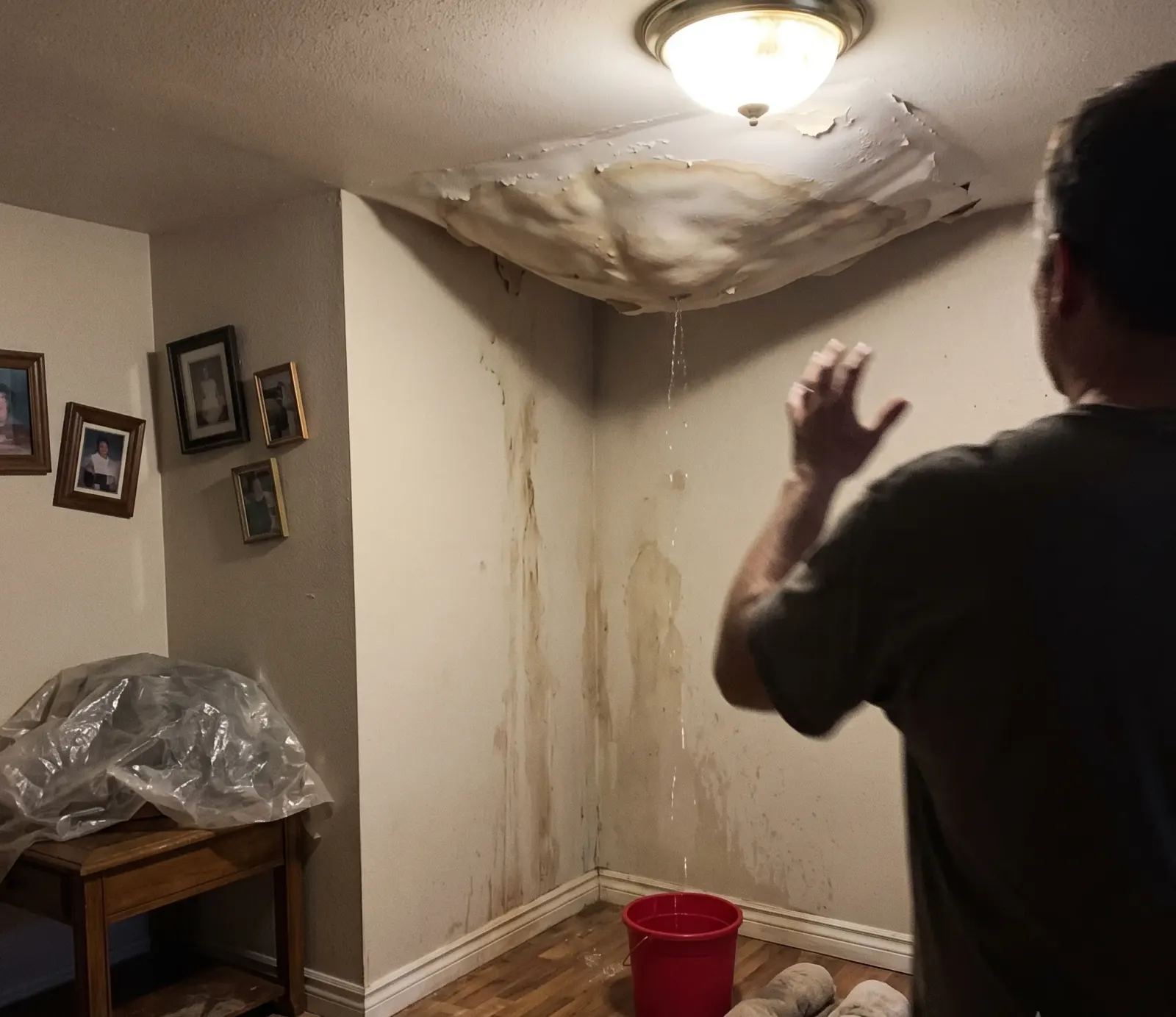
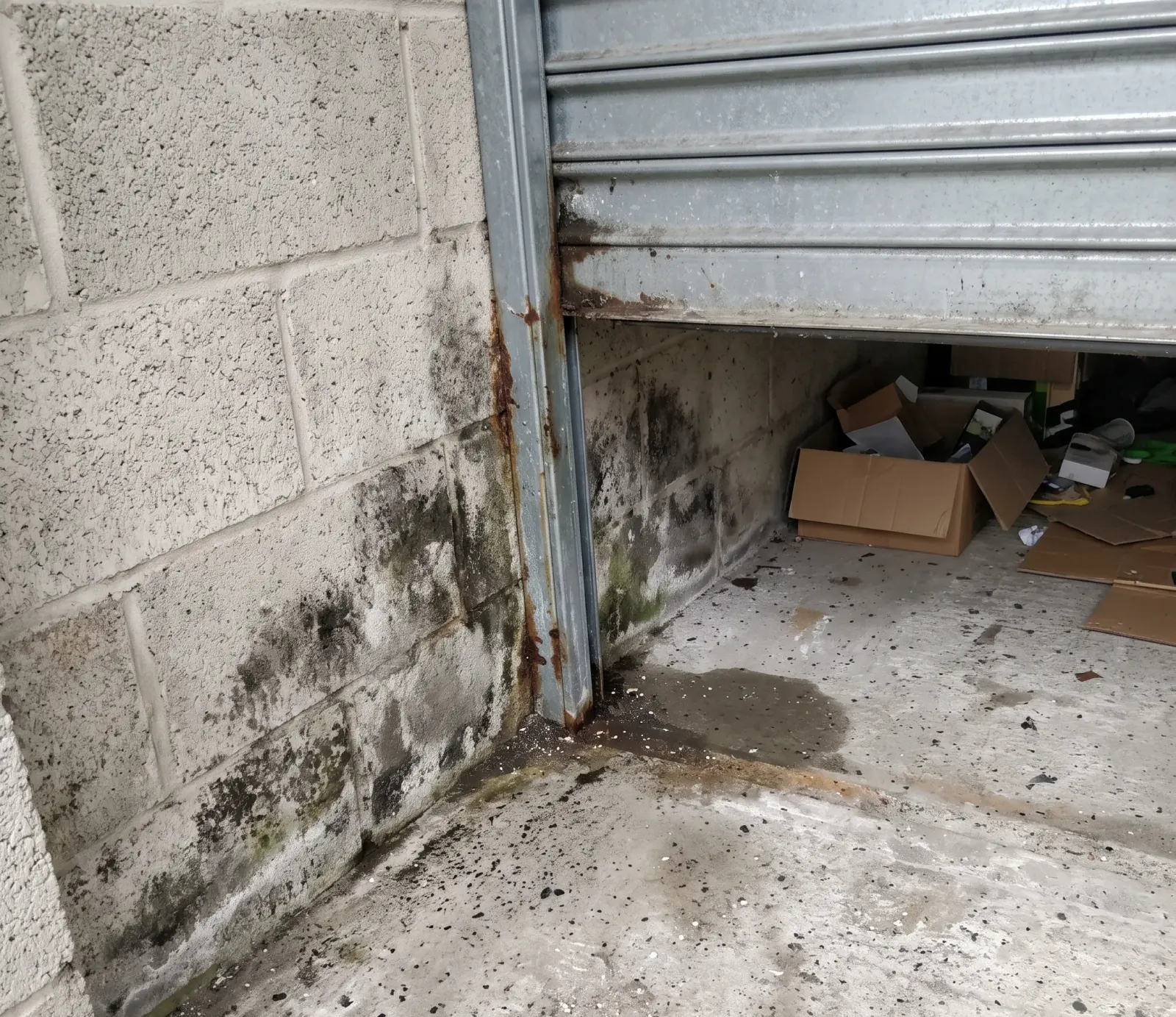
Peeling, bubbling, or discolored paint on an interior wall usually means moisture is pushing out from behind the surface. On block homes common around Hollywood Hills and Emerald Hills, that moisture can sit in the wall cavity for a long time before the paint film finally gives it away.
Baseboards and Trim Out of Shape
Warped, cupped, or separating baseboards near a bathroom, kitchen, or exterior wall point to water reaching wood that was never meant to get wet. The trim often moves before the flooring does, so a gap opening up at the floor line is worth a closer look.
A Musty Smell That Won't Clear
A persistent musty odor that air freshener doesn't fix is one of the more reliable early signs, because it means moisture has been present long enough to change how a material smells. It's common in closed rooms, closets, and spaces near the air handler.
Flooring That Feels Different Underfoot
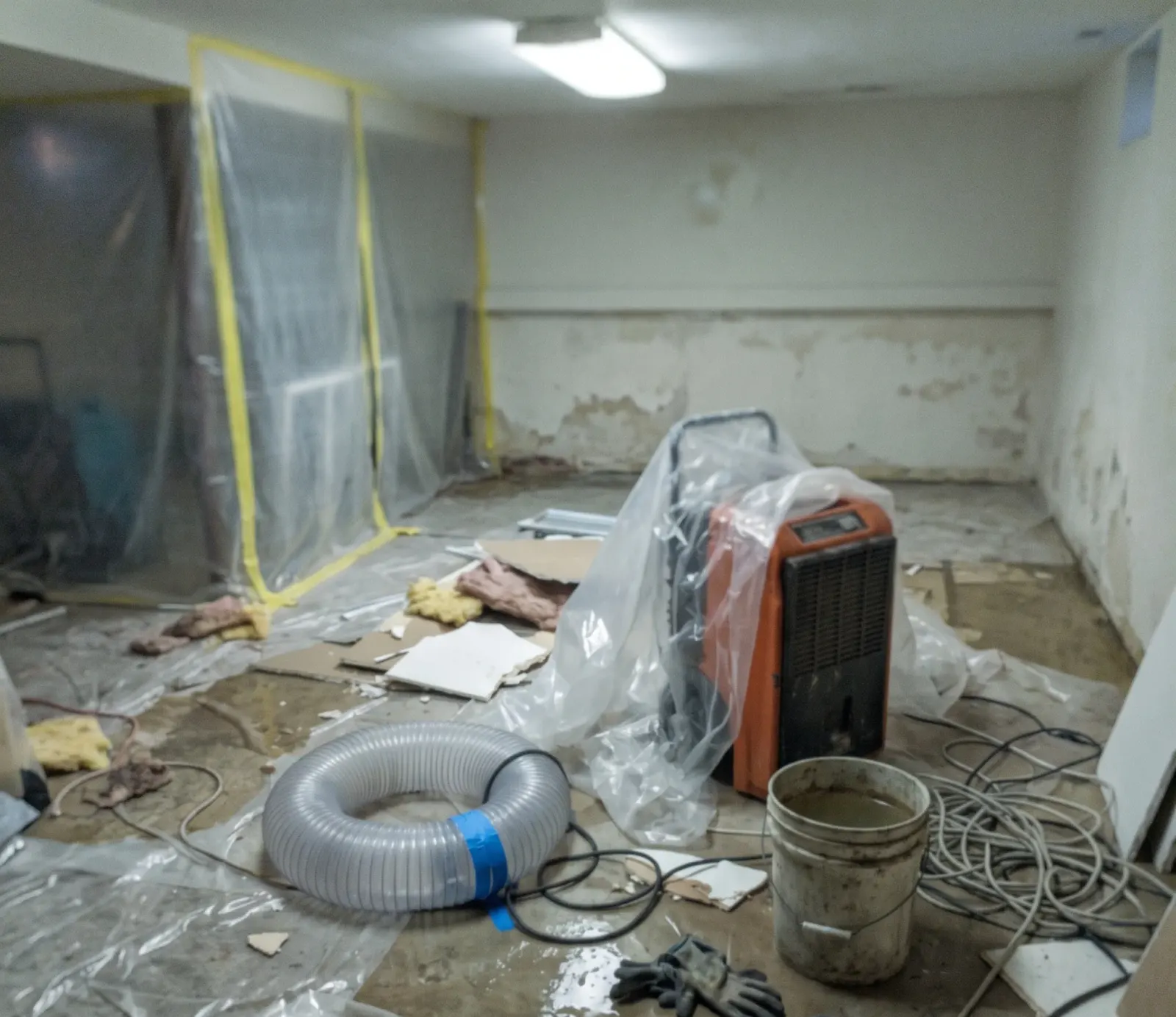
Hard flooring is common in older Hollywood homes, and it misleads people. Terrazzo and tile sitting directly on the slab can stay cool and dry to the touch while the concrete underneath holds moisture for weeks. If water has moved sideways beneath the tile toward a wall, nothing on the surface will show it until baseboards or paint start to react.
The AC Closet Is Worth Checking
Air conditioning runs most of the year in Hollywood, which means condensate is being produced most of the year too. A blocked drain line or an overflowing pan in a closet or attic air handler leaks slowly, so staining or a faint odor near that closet deserves attention before it spreads.
Doors and Windows That Stopped Fitting
A door or window that used to close easily and now catches on the frame can mean the surrounding wood or drywall has absorbed moisture and swelled. This shows up gradually, which is exactly why it's easy to blame on the house settling instead.
Slow Drains in an Older Home
Houses built before the 1970s were often plumbed with cast iron drain lines under the slab, and those lines corrode from the inside over decades. A slow drain, a backup, or water appearing near the slab edge in a home from that era can point to a failing line rather than a simple clog.
Discoloration on Ceilings
Concrete block construction, common across Hollywood neighborhoods like Hollywood Hills and Emerald Hills, adds another layer where damage stays out of sight. The block cores can hold water behind the stucco and the interior drywall long after a leak started, so a wall can look fine on both sides while it's saturated inside, and the problem is discovered only once it's been building for some time.
A Rise in Utility or Water Bills
An unexplained jump in a water bill, with no obvious change in household use, is one of the more overlooked signs of a hidden leak. It's easy to miss because nothing visible has changed yet inside the house.
Why Block Walls Hide the Problem
Most homes around Hollywood are concrete block with stucco outside and drywall on furring strips inside. Water that gets behind that drywall has somewhere to sit where it isn't obvious from the room side, which is part of why these signs often show up well after the water arrived.
When to Take a Closer Look
None of these signs on its own proves a major problem, but two or three appearing together in the same part of a Hollywood home is a pattern worth investigating. Catching it early, before it spreads through a wall or under a floor, is what keeps a small issue small.
Dealing with this in your home?
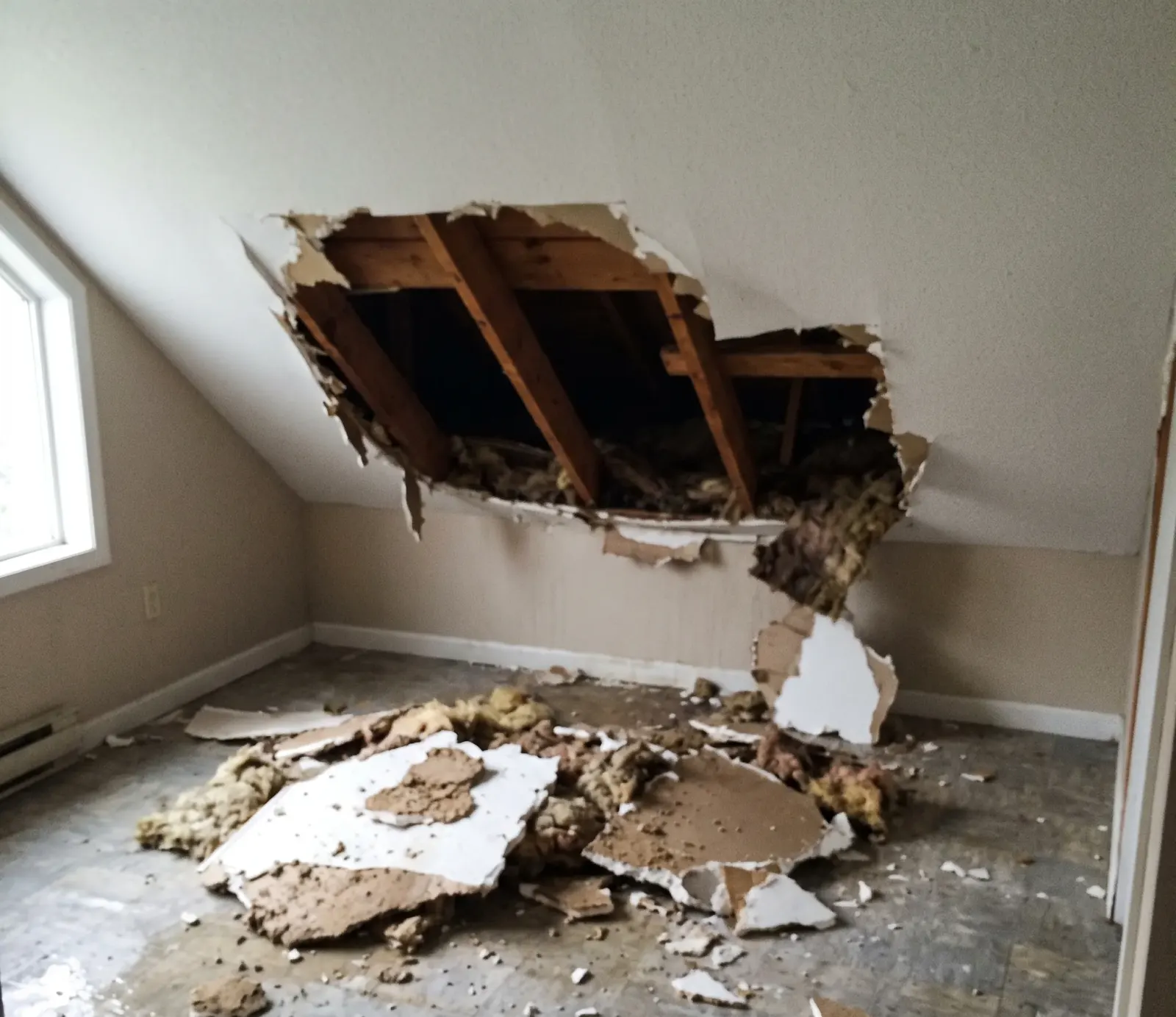
A ceiling stain days after a storm rarely marks the spot where water got in. On flat-roofed homes near Hollywood Hills or Emerald Hills, water travels along framing before it drops, so the wet insulation and drywall can sit yards from the actual break in the membrane or a clogged drain.