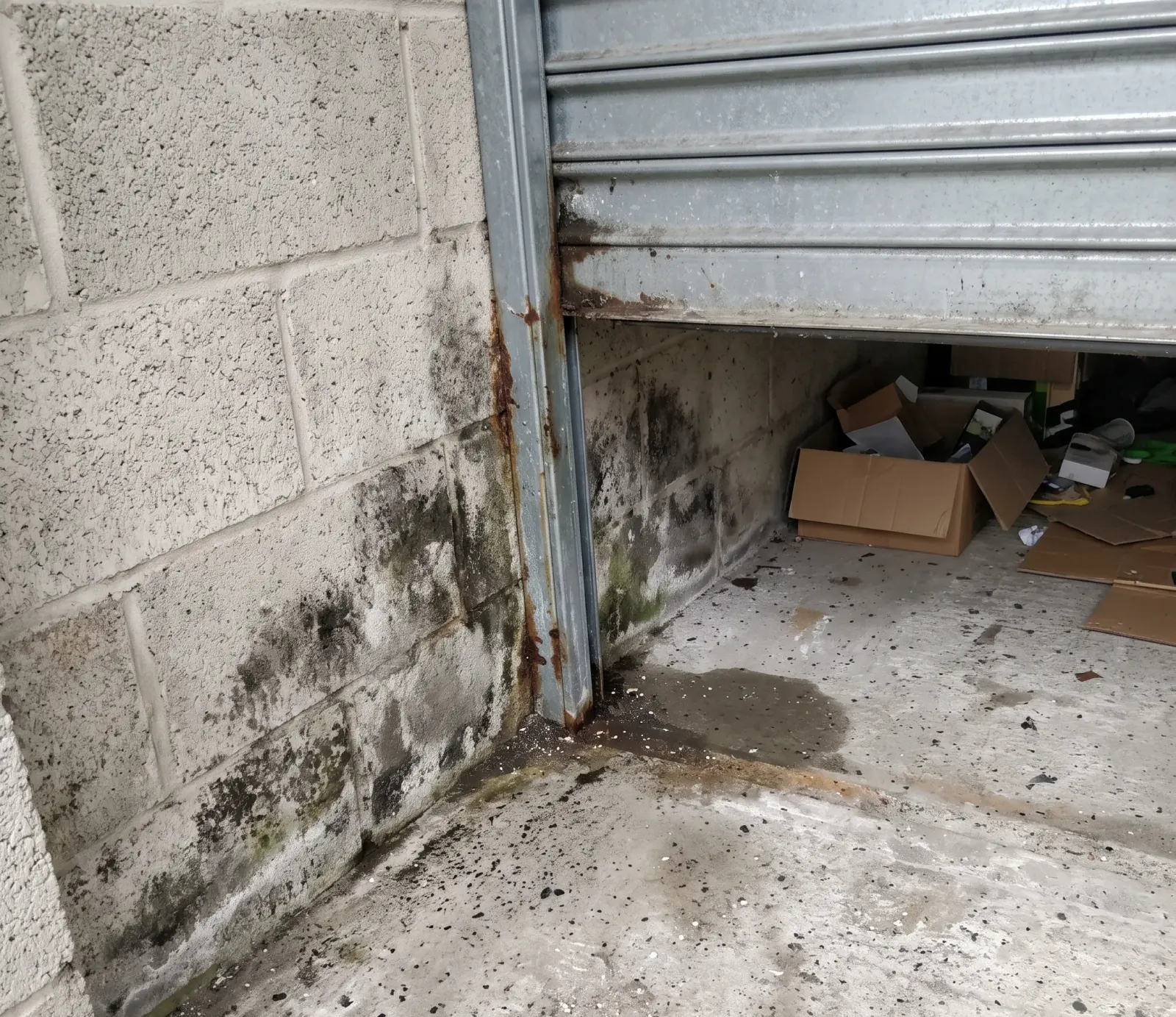
Someone in Hollywood sees a dark stain near a leak and asks whether it is black mold and whether that means real danger. The short answer is that the color of a stain does not diagnose it, and the risk depends more on how long a material stayed wet than on which species eventually grew there.
What Is Called Black Mold
Stachybotrys chartarum is the greenish-black mold most people mean when they say black mold. The CDC describes it as growing on high-cellulose materials like fiberboard, gypsum board, and paper once those materials have been exposed to leaks, condensation, or flooding. It is not the only mold that appears dark.
Other Species Look Similar
Stachybotrys chartarum earns its reputation because the CDC describes it plainly: greenish-black, feeding on cellulose in gypsum board or fiberboard once water has gotten in. That description alone doesn't tell a Driftwood or Boulevard Heights homeowner whether a patch behind a baseboard is that species or something milder like Cladosporium. Color guessing from across a room settles nothing.
Why Color Is Not the Real Question
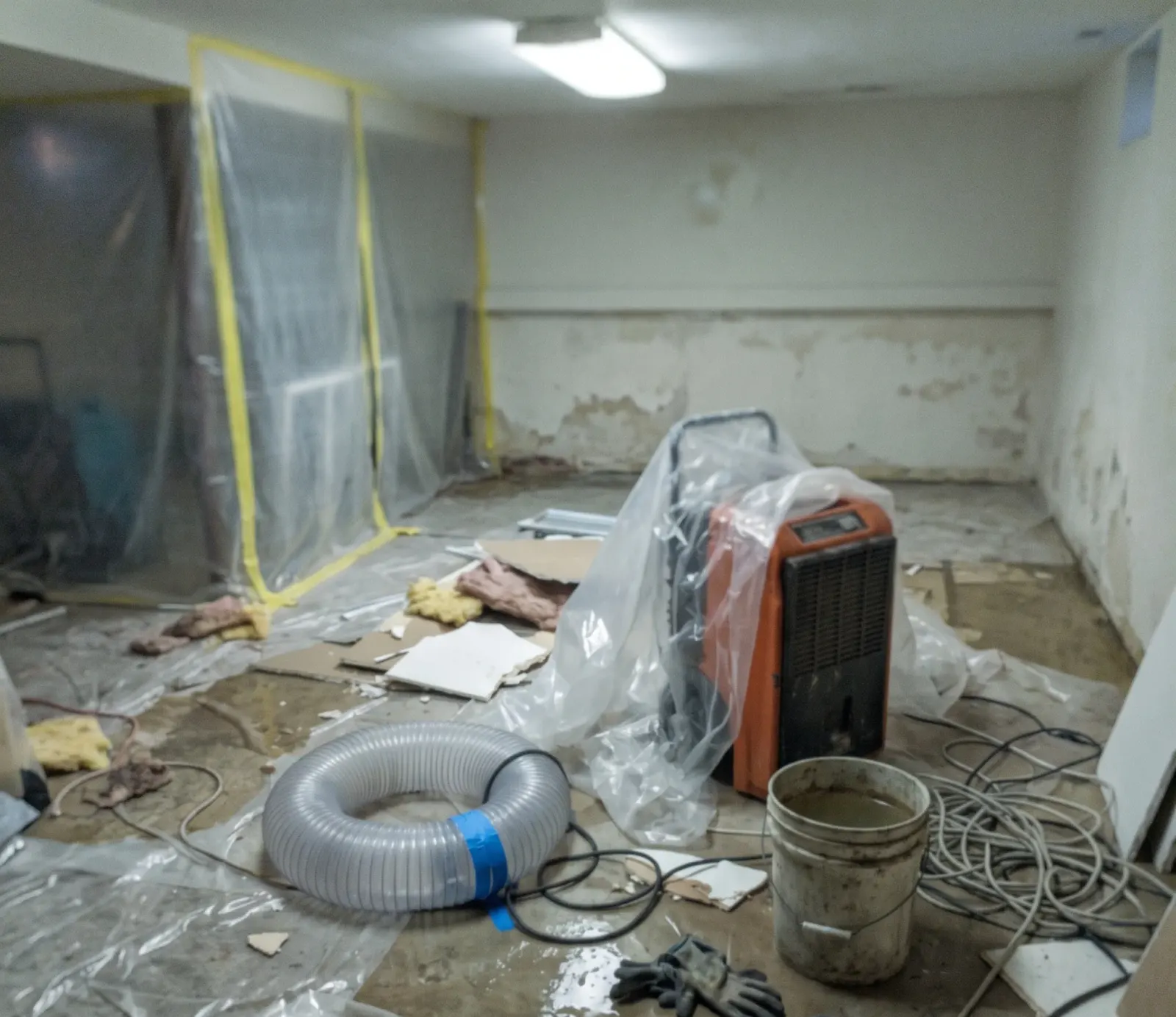
The more useful question is how long the material was wet. The EPA notes that wet or damp materials dried within 24 to 48 hours generally will not go moldy at all, regardless of species. That timeline matters more to the outcome than which mold eventually shows up.
Health Concerns Worth Taking Seriously
Mold exposure is a legitimate health concern for people with allergies, asthma, or weakened immune systems, and the CDC treats Stachybotrys as worth addressing when found. That said, the concern applies broadly to indoor mold growth, not to one species alone, and it scales with how much is growing and how long it has been there.
A Common Myth To Retire
One myth is that only Stachybotrys is dangerous and other molds are harmless. Trade sources list Aspergillus and Penicillium alongside it as common indoor molds in this region, and any of them growing on wet material is a reason to address the moisture, not just the mold itself.
Another Myth About Smell Alone
A musty smell without visible growth is often assumed to mean nothing is wrong. In a Driftwood or Liberia home with a slab foundation, moisture can travel sideways under tile before it ever shows on the surface, so a smell with no visible stain still deserves a look.
Why Florida Homes See It Fast
Outdoor humidity near the Intracoastal Waterway and across Broward County stays high most of the year, which narrows the margin between a wet material and a moldy one. The EPA's 24-to-48-hour drying window is harder to hit here than in a dry climate, simply because the air itself starts closer to the threshold.
Where It Tends To Start
Trade sources list Cladosporium, Aspergillus, Penicillium, Stachybotrys chartarum and Alternaria as the species turning up most in South Florida homes, Hollywood included. That list mixes common, usually mild molds with the one everyone asks about by name. A homeowner near Emerald Hills or Liberia smelling something musty after a slow leak is more likely dealing with one of the ordinary four than the one with the reputation.
Testing Versus Guessing
Because species cannot be confirmed by sight, a homeowner in Hollywood Hills or near Young Circle who wants a real answer needs sampling rather than a guess based on color. The licensed pros we connect you with can arrange assessment separate from any remediation work under Florida's mold licensing rules.
The Assessor And Remediator Rule
None of this changes what drying does. The EPA is specific that wet material dried within 24 to 48 hours usually will not turn moldy at all, whatever species might otherwise have taken hold. That window closes faster here than in a drier state, since humid outdoor air near Hollywood Beach or Port Everglades gives any growth a head start rather than slowing it down.
What To Do With A Suspicious Stain
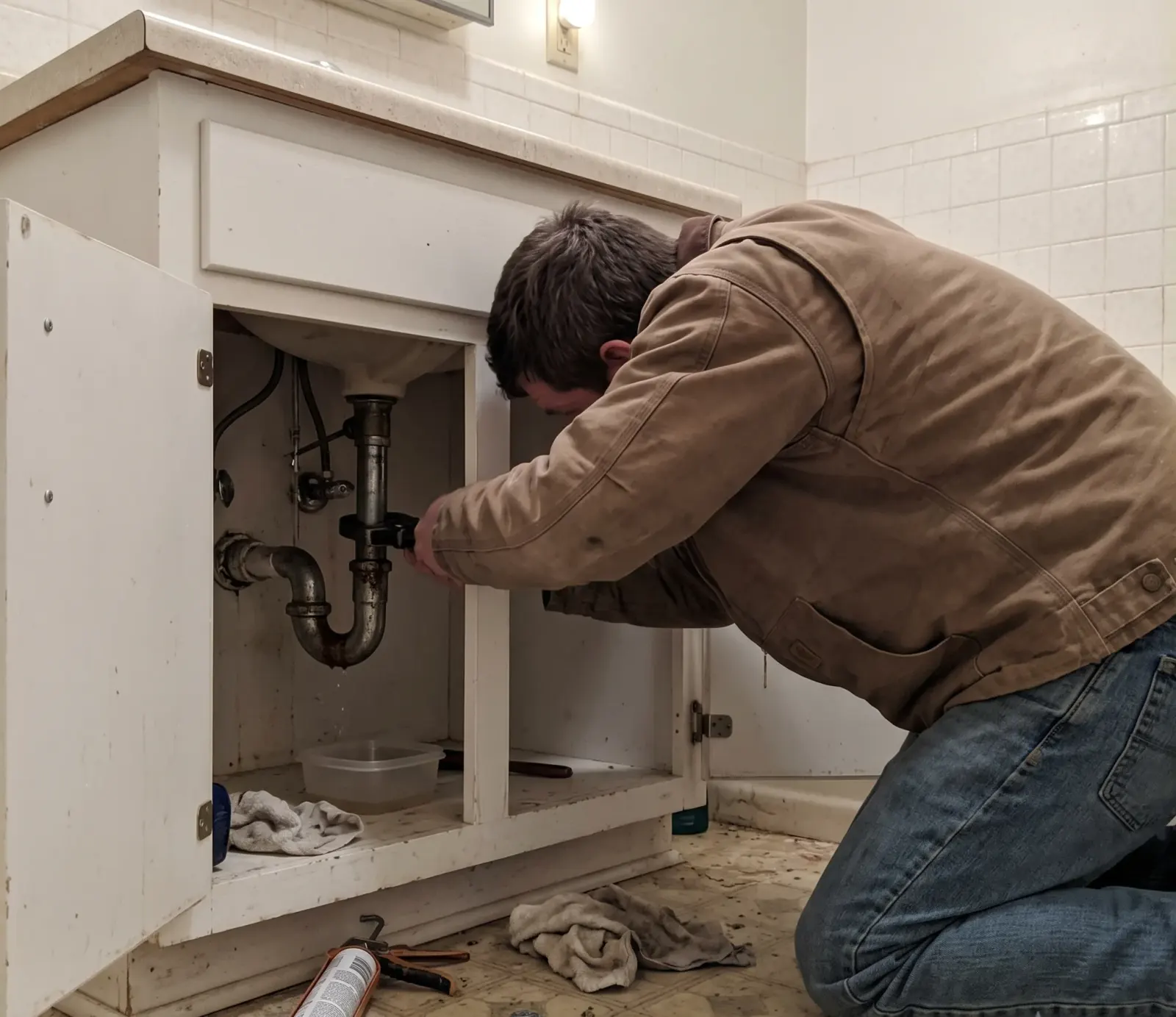
Treat any dark stain near a past leak, an AC closet, or a slab edge as worth checking rather than worth guessing about. Address the water source first, since drying and repair matter more to the outcome than identifying the exact species growing on a wet wall in Downtown Hollywood or anywhere else.
Dealing with this in your home?
A ceiling stain days after a storm rarely marks the spot where water got in. On flat-roofed homes near Hollywood Hills or Emerald Hills, water travels along framing before it drops, so the wet insulation and drywall can sit yards from the actual break in the membrane or a clogged drain.