Water shows up on a ceiling or wall and the first question is always the same: is this the air conditioner or something worse. In Hollywood, FL, where the AC runs nearly year-round, condensation is the most common culprit, but not the only one. Telling the two apart before calling anyone saves time and, sometimes, a much bigger repair.
Where Condensate Actually Comes From
Air conditioning in Hollywood homes runs nearly year-round, and the condensate it produces has to go somewhere. When the drain path inside a closet air handler or attic unit gets blocked or the pan corrodes, water shows up steadily in one spot instead of spreading, which is the first clue worth checking before assuming a pipe or the roof is at fault.
How a Genuine Leak Behaves Differently
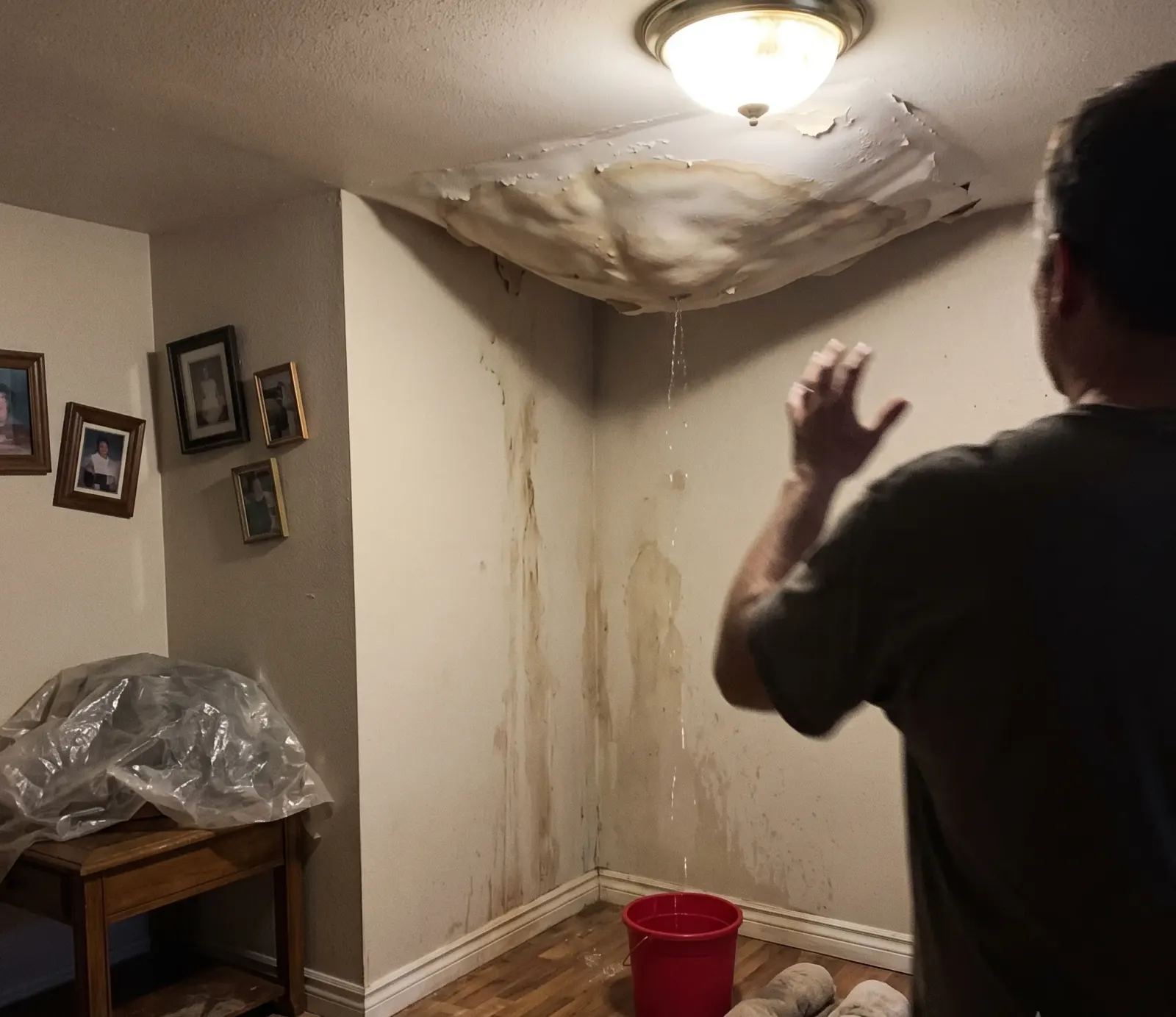
A leak from plumbing or the roof behaves differently. It tends to show up away from the air handler, near a bathroom, kitchen, or exterior wall, and it often grows steadily rather than staying in one damp patch. If the stain keeps spreading over days regardless of whether the AC has run, plumbing or roofing is more likely than condensation.
Start With Where the Water Sits
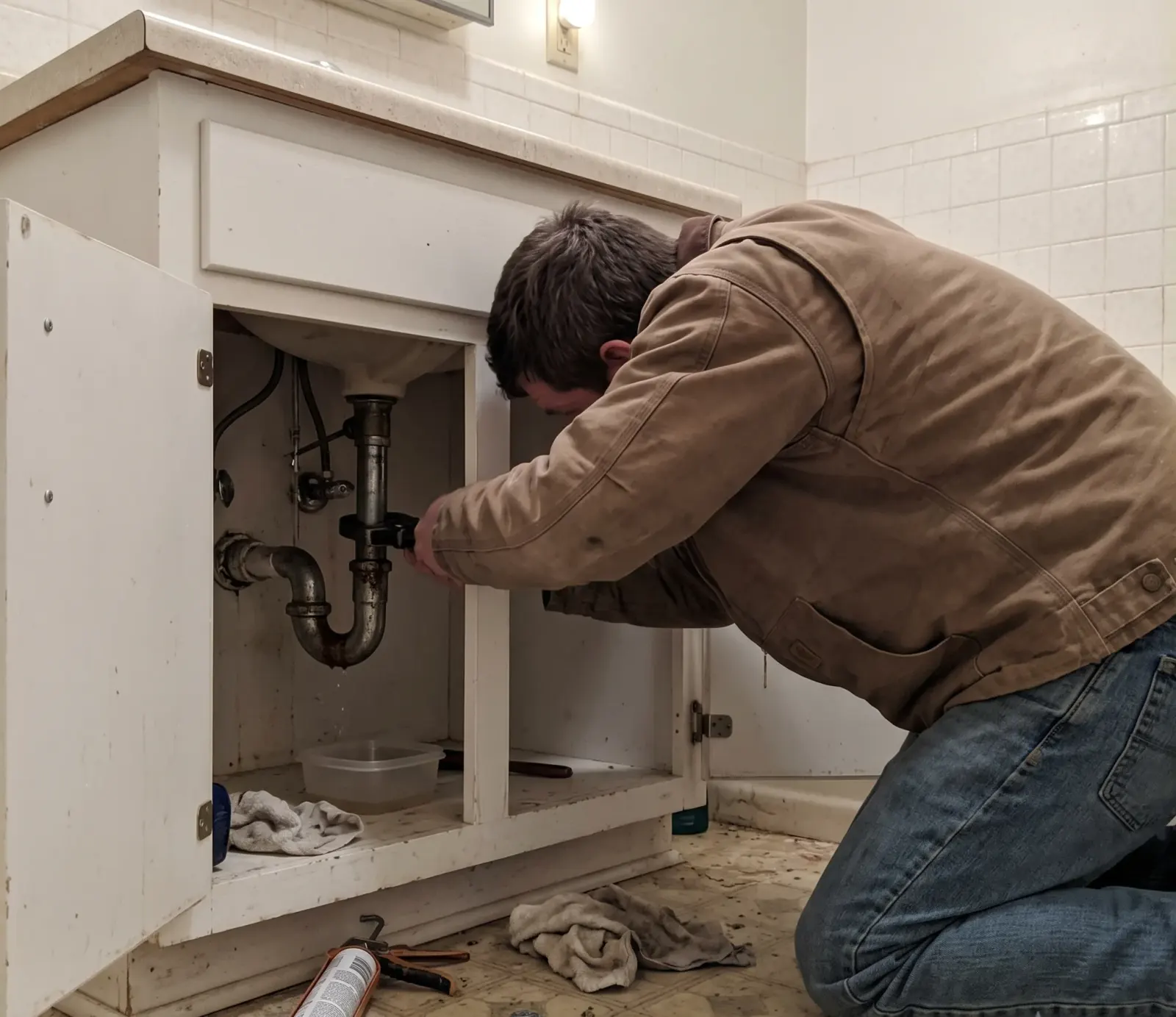
Location is the first clue. Water near a closet or attic housing the air handler points to condensate. Water near a bathroom wall, under a kitchen sink, or along an exterior wall after Hollywood's rainy afternoons points elsewhere. Check where the stain sits relative to fixtures and to the AC equipment before assuming either cause.
Then Look at When It Appears
Timing is the second clue. Condensate problems often appear or worsen when the AC has been running hardest, hot afternoons, closed-up houses, long stretches without a break. A leak tied to rain, to running a shower, or to using a specific fixture points toward roofing or plumbing instead of the cooling system.
Why Block Walls Hide the Answer
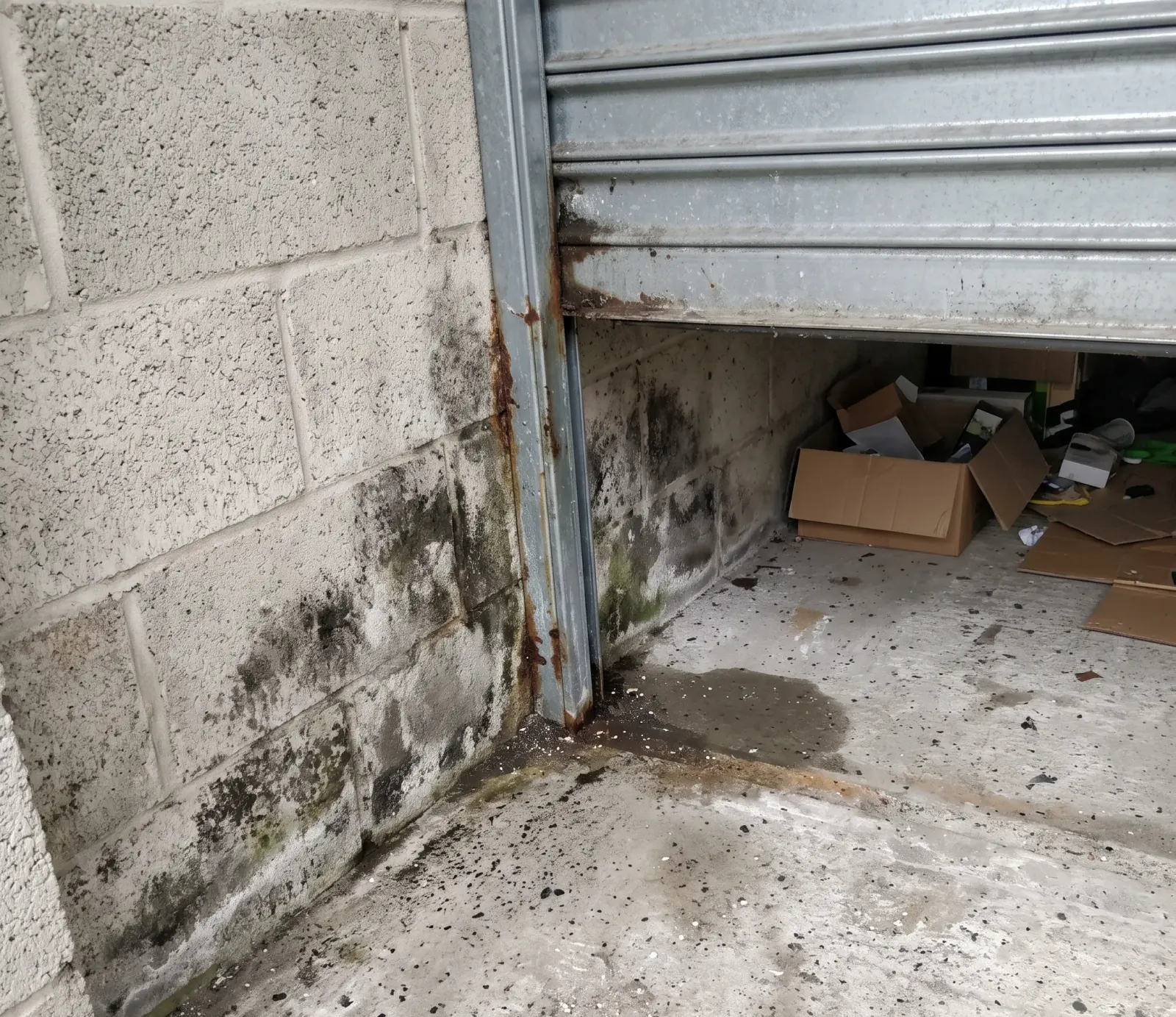
Location matters here. A steady drip near a closet or attic air handler in Hollywood Hills, Emerald Hills, or Hollywood Lakes points at condensate, since that is where the unit and its drain pan usually sit. A stain tracking down an exterior wall or spreading across a ceiling away from any equipment points somewhere else, toward roofing or a supply line instead.
Why a Dry Floor Can Mislead You
Flooring matters here too. Homes near Downtown Hollywood or Driftwood with tile set directly on the slab can look bone dry on the surface even while moisture has moved sideways underneath. That makes a dry-looking floor a poor test on its own, whether the source turns out to be a cooling unit or something in the plumbing.
Older Cast Iron Lines Add a Wrinkle
Homes near Liberia, Driftwood, and Boulevard Heights skew older, and many still run cast iron under the slab. Those lines corrode from within over the decades, so a slow drain or water showing at the slab edge reads as plumbing, not condensate. An AC pan overflow stays put near the unit instead of showing up at a wall.
What the Smell Can Tell You
Smell can help narrow it down, though it is not definitive. Condensate is usually just water, sometimes with a musty note if it has sat a while near the air handler. A sewage smell suggests a drain line problem rather than condensation. Either way, a persistent musty smell means moisture has been present longer than a day or two.
When It Really Is the AC
If the water is only near the air handler and stops when the system is off for a while, it is worth checking the condensate line and pan before assuming a bigger problem. That specific fix is its own separate repair, not something to diagnose further here, but ruling it in or out first saves a wasted call.
When It Is Not the AC
If the water shows up regardless of the AC, follows a rain pattern, or sits near plumbing fixtures rather than equipment, treat it as a leak and act on the timeline that matters for insurance. Florida law requires a claim to be reported within the deadline set by state statute, so documenting the damage promptly matters either way.
What Renters Should Know
Renters in Hollywood should know that under Florida law, a landlord is generally responsible for keeping plumbing in reasonable working order and structural components like the roof in good repair when no other code applies. If the source turns out to be either one, that responsibility question is worth raising early, not after the damage has spread.
Dealing with this in your home?
A ceiling stain days after a storm rarely marks the spot where water got in. On flat-roofed homes near Hollywood Hills or Emerald Hills, water travels along framing before it drops, so the wet insulation and drywall can sit yards from the actual break in the membrane or a clogged drain.