After a burst pipe or storm claim in Hollywood, homeowners hear the word adjuster from two different directions. One works for the insurance company. The other, a public adjuster, can be hired by the homeowner. Confusing the two changes who is actually advocating for the payout on a house near Young Circle or Hollywood Lakes.
Who the Insurance Adjuster Works For
An insurance adjuster is assigned by the carrier after a claim is filed. Their job is to inspect the damage, apply the policy language, and recommend a payment the insurer will approve. They are professional and often reasonable, but their paycheck comes from the company writing the check, not from the homeowner in Hollywood Hills or Emerald Hills.
Who a Public Adjuster Works For
A public adjuster works the other side. A homeowner hires and pays them directly to inspect the same damage, document losses, and negotiate with the insurer on the homeowner's behalf. They do not work for the carrier at any point in the process, whether the loss is in Liberia, Driftwood, or Boulevard Heights.
What Florida Caps on Their Fees
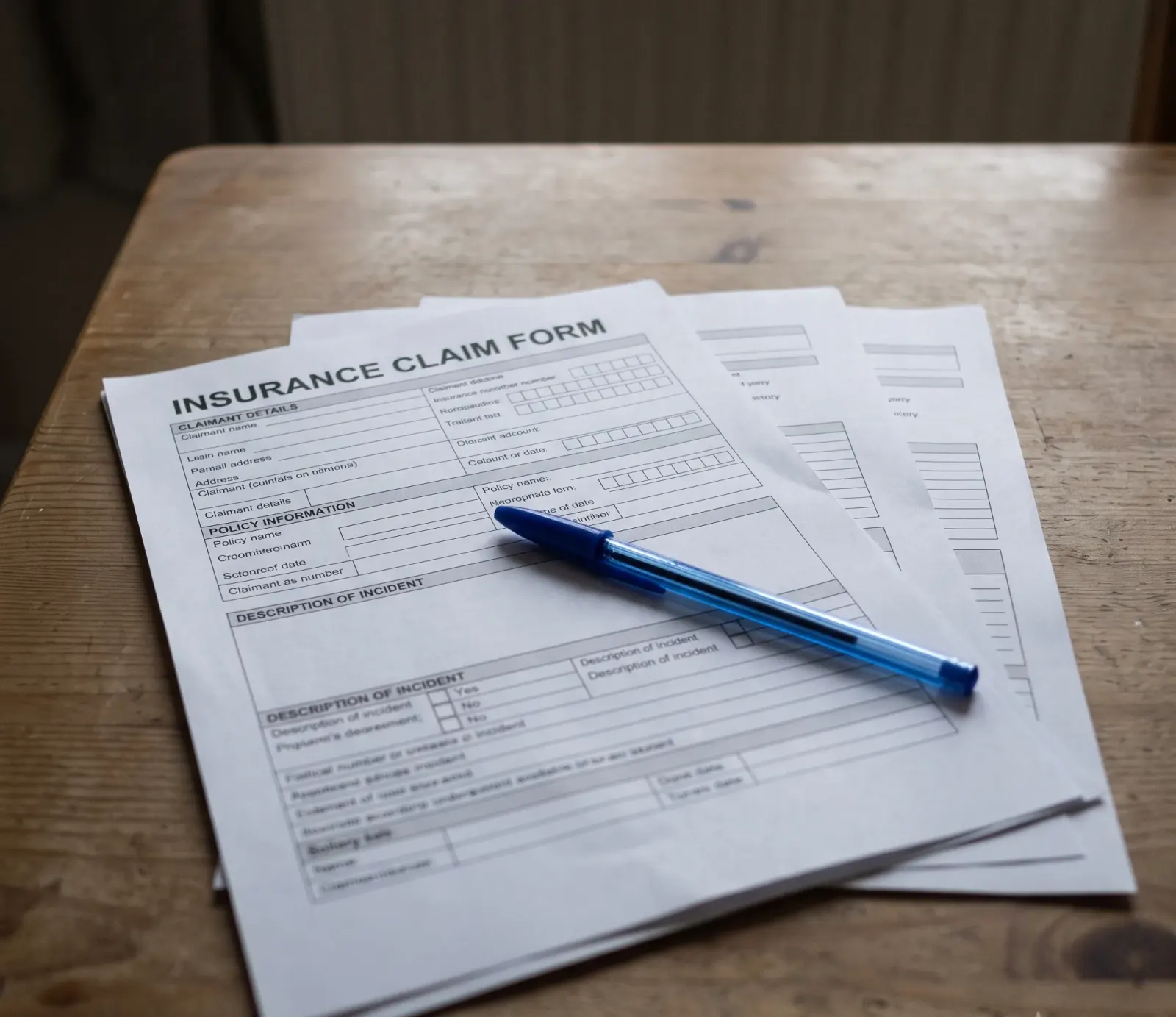
An insurance adjuster is hired and paid by the carrier, so their job is to check the claim against the policy, not to represent the homeowner. A public adjuster works the other side: hired by the property owner, paid a percentage of whatever the claim pays out, and licensed under Florida rules that cap what they can charge for that work.
Why the Fee Changes the Math
That fee structure matters because it changes the math on smaller losses. A slow leak behind a wall in a Hollywood Hills home might not justify a public adjuster's cut once the percentage is subtracted, while a larger claim tied to storm flooding near A1A or the Broadwalk often does.
Neither Side Is the Enemy Here
The insurance company's adjuster is not the enemy, and the public adjuster is not automatically the hero. Both are doing a defined job. The real question for a Hollywood homeowner is whether the claim is straightforward enough to handle directly, or complex enough to need a second set of eyes.
When a Simple Claim Needs No Help
A straightforward claim, like a single appliance leak with clear documentation, often moves fine with just the carrier's adjuster. A homeowner near Downtown Hollywood or Port Everglades with obvious cause and limited damage may never need to hire anyone beyond that first inspection.
When a Disputed Claim Needs a Second Look
A disputed or complicated claim is different. When damage runs into flooring, drywall, and cabinetry after flooding near the Intracoastal Waterway or a king tide event along A1A, the scope of loss can be harder to agree on, and that is where a public adjuster's documentation tends to earn its fee.
Why Claim Deadlines Affect the Choice
Timing also shapes the decision. Under §627.70132, a claim or reopened claim must be reported within one year of the date of loss, and a supplemental claim within eighteen months. A public adjuster hired early can help make sure nothing in a Hollywood claim gets missed before those windows close.
What Changed With Assignment of Benefits
In Hollywood that fee structure matters most after a named storm, since Florida law sets a lower cap on what a public adjuster can charge during the twelve months following a declared emergency than it allows for an ordinary, non-storm claim. Ask which bracket applies before signing anything with either side.
How Each Adjuster Actually Gets Paid
Neither adjuster inspects for free out of goodwill. The carrier's adjuster is paid salary or fee by the insurer regardless of outcome. The public adjuster is paid a percentage of whatever gets recovered, which is why their incentive lines up with pushing the claim value up, not down, for a homeowner near Memorial Regional Hospital or T.Y. Park.
What Still Has to Happen Either Way
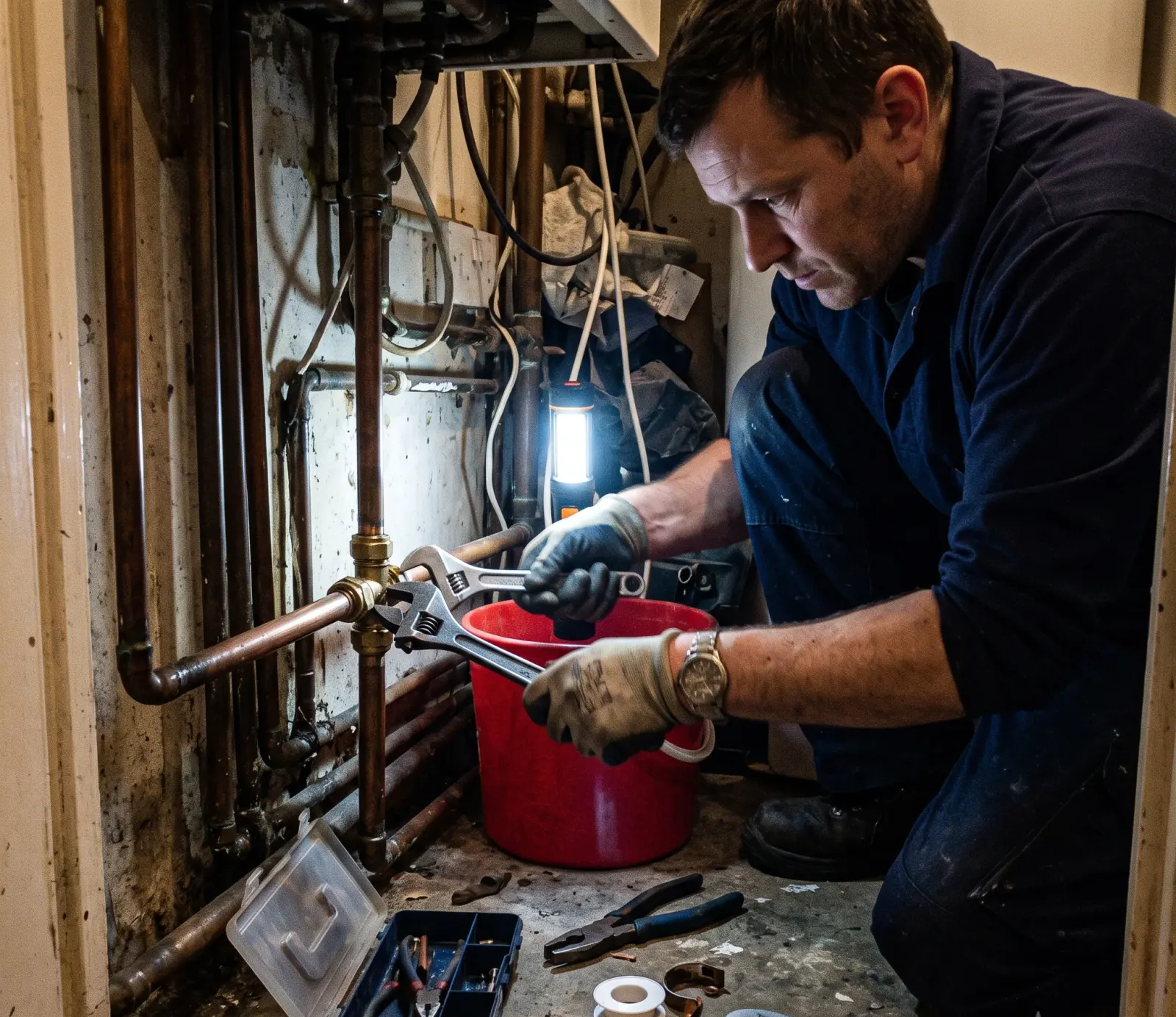
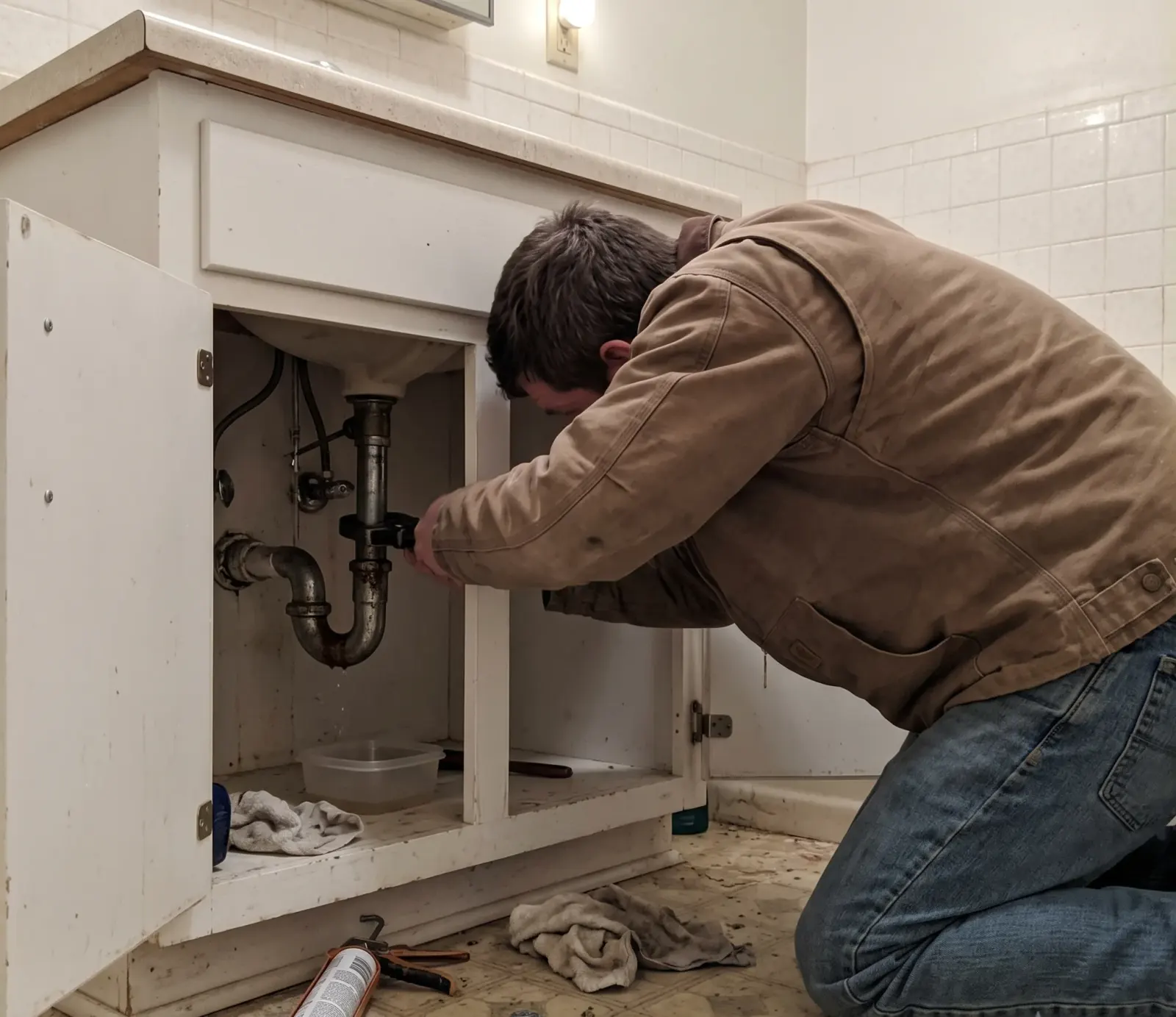
Whichever direction a Hollywood claim goes, the drying and repair work still has to get done correctly and documented well enough to support whatever number is finally agreed on. The licensed pros we connect you with can document damage thoroughly so either adjuster has a clear, defensible record to work from.
Dealing with this in your home?
A ceiling stain days after a storm rarely marks the spot where water got in. On flat-roofed homes near Hollywood Hills or Emerald Hills, water travels along framing before it drops, so the wet insulation and drywall can sit yards from the actual break in the membrane or a clogged drain.