Water damage in a Hollywood, FL home moves fast, and insurers ask for proof faster than most homeowners think to gather it. Before anything gets torn out or dried, a phone camera can do more for a claim than a full afternoon of paperwork. This is the documentation groundwork worth doing first.
Photograph The Whole Room First
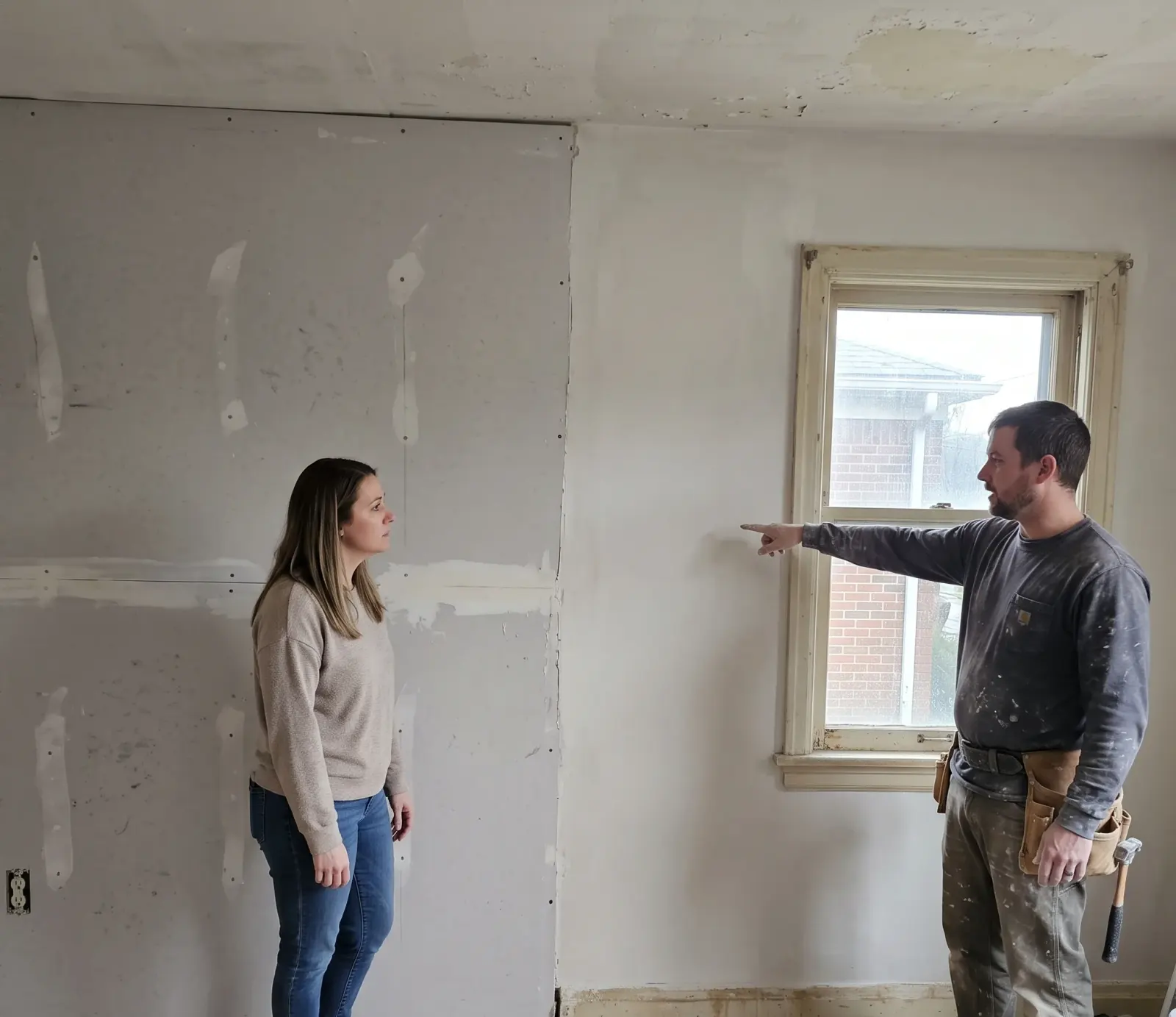
Start with wide shots of every affected room from each doorway, then move closer. Capture the water line on walls, pooling on floors, and any warping in baseboards or cabinetry near Hollywood Lakes or Emerald Hills homes with older construction. Shoot before touching anything so the scene reads as it was found.
Record A Slow Video Walkthrough
A short video sweep matters as much as still photos. Walk each room slowly, narrating what you see out loud, including sounds like dripping or a running condensate line. This gives an adjuster context that a single frame cannot, especially in a Driftwood or Boulevard Heights home with multiple affected areas.
Build A Room-By-Room Inventory
List every damaged item by room: furniture, electronics, rugs, and personal belongings. Note the brand, approximate age, and where it was purchased if known. A written inventory paired with photos of each item, close enough to read model numbers, gives an insurer far less room to question the loss.
Gather Proof Of Purchase
If you have older receipts, bank statements, or credit card records showing when an item was bought, pull them together now. This is especially useful for higher-value items in Hollywood Hills or near Downtown Hollywood, where replacement cost can be argued down without documentation to back the original price.
Note Where The Water Started
Cast iron drain lines under the slab were standard in Hollywood homes built before the 1970s, and decades of interior corrosion can leave them failing quietly. If your documentation shows staining at the slab edge or a backup rather than a sudden burst, note that pattern in your photos and description, since it points to gradual pipe failure rather than a one-time accident.
Document AC And Condensate Leaks
An air handler closet or attic unit is one of the most common quiet leak sources in a Florida home, since AC runs most of the year and produces steady condensate. Photograph the drain pan, any rust or overflow staining, and the surrounding ceiling or wall before anything is repaired or replaced.
Hold Onto Damaged Materials
Keep any items you can safely set aside, like damaged rugs, small furniture, or sections of baseboard, rather than discarding them right away. An adjuster may want to see the actual material, not just a photo. Store it somewhere dry if possible, away from the Intracoastal Waterway humidity that can encourage odor.
Log The Date And Time Found
Write down the date and approximate time you first noticed the water, plus what you were doing when you found it. This timeline detail matters more than people expect, since the date of loss anchors every deadline that follows in a Florida claim, and a vague memory later is harder to fix than a note today.
Document Fast, Then Dry Fast
The EPA notes that wet materials generally will not turn moldy if dried within 24 to 48 hours, so documentation should not slow down drying itself. Photograph first, then start moving air and removing standing water. A fast phone or video pass takes minutes and does not compete with getting ahead of mold.
Back Up Everything Immediately
Save every photo and video to two places, like a phone and a cloud backup or email draft, the same day you take them. Files get lost when a phone is dropped or a device fails during a stressful week. A duplicate copy costs nothing and protects the one thing a claim actually depends on.
Where Documentation Reaches Its Limit
Good documentation does not replace a professional assessment, and it will not tell you whether a wall needs to come out or a slab needs testing. Once photos and inventory are done, the licensed pros we connect you with can assess what documentation alone cannot, from moisture readings to the actual repair scope.
Dealing with this in your home?
A ceiling stain days after a storm rarely marks the spot where water got in. On flat-roofed homes near Hollywood Hills or Emerald Hills, water travels along framing before it drops, so the wet insulation and drywall can sit yards from the actual break in the membrane or a clogged drain.