Condo & HOA Properties
Condo & HOA Water Damage, Hollywood, FL
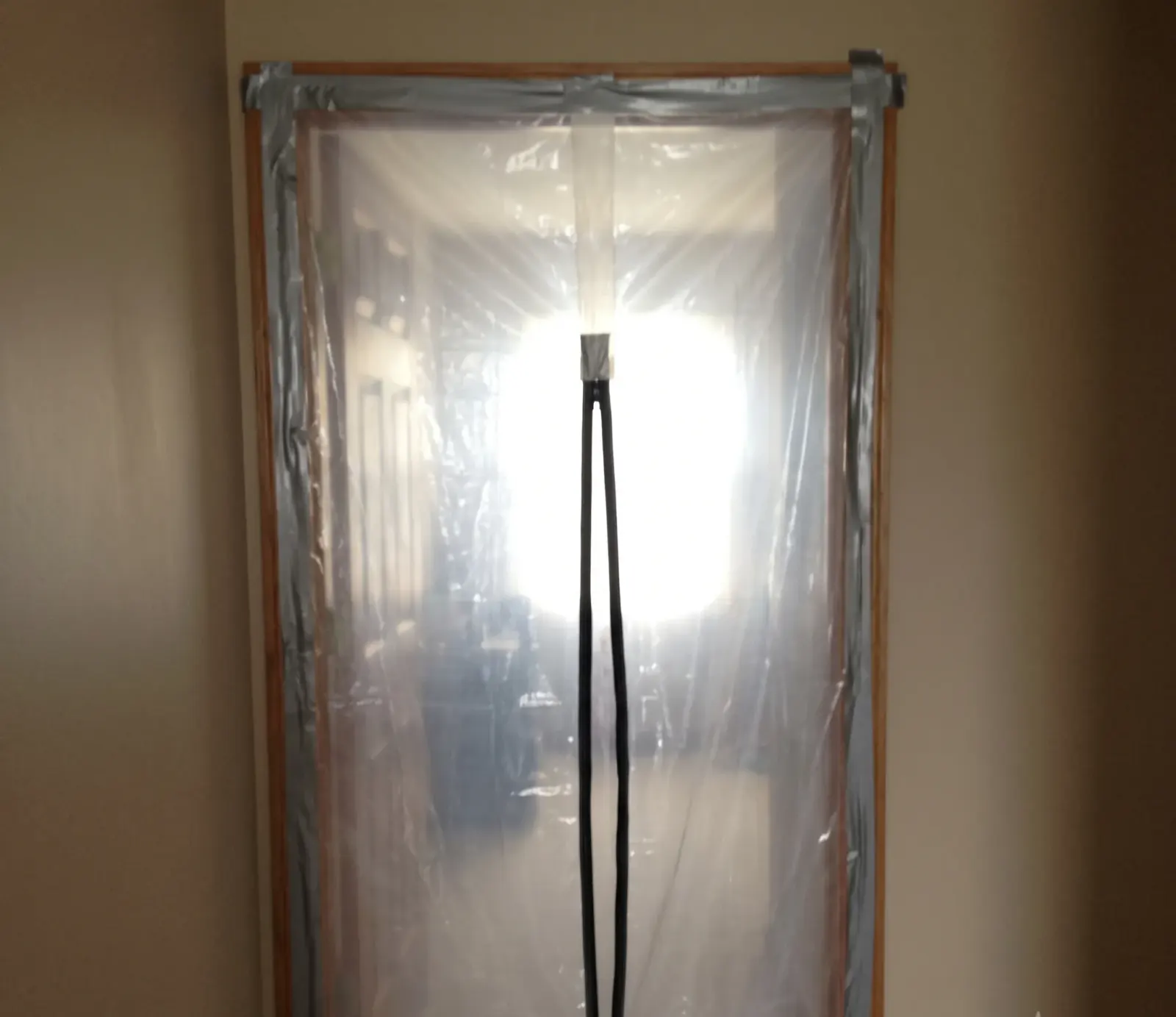
Water response built around patient care areas and infection control, not just drying equipment
Water damage in a medical or healthcare facility in Hollywood, FL needs infection-control-aware handling, not just standard drying. The licensed pros we connect you with isolate affected zones, protect patient care areas, and document moisture readings and drying progress throughout, so the practice has records for both its insurance claim and its own compliance requirements.
Memorial Regional Hospital, Memorial Hospital West, and the medical office buildings clustered around them handle patients who cannot simply relocate down US-1 while carpet dries. A water event in a clinic or medical office in Hollywood carries an infection-control layer that a retail flood does not: wet materials near patient care areas are a contamination question first, a property question second, and the response has to treat it that way from the first call.
Hollywood's rainy season runs May through October, the same months a roof leak or a burst supply line in an aging Hollywood Hills or Emerald Hills medical plaza turns into standing water on a treatment-room floor. A flat commercial roof sheds water only while the membrane and drains stay clear, and on an older building near Hollywood Boulevard a clogged drain can pond quietly for days before it shows as a ceiling stain far from the actual source.
A backed-up drain line or a pinhole leak in a supply pipe behind a med gas wall doesn't announce itself the way a burst does. In a clinic near Memorial Regional Hospital, water can travel along a slab edge or inside a wall cavity for days before a stain shows, and by then flooring, cabinetry, and equipment nearby may already be sitting in it.
Standing water in a room used for sterile supplies, medication storage, or patient care is not just a moisture problem. Porous materials that stay wet near a treatment area are removed and documented differently than the same materials in an office breakroom, because a healthcare facility answers to infection-control standards a retail tenant never has to think about.
Drying has to happen without shutting down rooms that are still seeing patients. That usually means containment barriers, negative-air setups where called for, and equipment placed and monitored so the rest of the practice keeps operating while one wing dries. The licensed pros we connect you with document moisture readings through the process, which matters if a payer or an accreditation review asks for it later.
| Area | Risk | Priority |
|---|---|---|
| Medical or healthcare facility | Patient care area contamination and compliance exposure | Isolate zone, protect equipment, document every step |
| Contamination handling | Standard cleanup, no infection-control protocol | Containment barriers and infection-control-aware drying plan |
| Air handling | Open drying fans, shared air with other tenants | Negative-air setup to keep moisture and spores from spreading |
| Documentation | General incident notes for the property file | Room-by-room moisture logs for compliance and insurance records |
| Scheduling around patients | Work fits the contractor's schedule | Work fits appointment blocks, after-hours where possible |
| Materials near water | Furniture, carpet, drywall | Supply storage, exam room flooring, equipment on the same circuit |
| Sensitive equipment risk | Rarely a factor | Diagnostic and monitoring equipment near the affected area |
| Reopening standard | Dry to the touch, cosmetic repair done | Moisture-verified dry before patient rooms are cleared for use |
Downtown Hollywood and the corridor near Young Circle and ArtsPark hold a mix of private practices and specialty clinics in older buildings, many plumbed with the same aging cast-iron lines and low-slope roofs common across the city's mid-century commercial stock. A slow leak in one of these buildings can sit undetected behind a wall for weeks before it surfaces as a stain or an odor.
King tide events have pushed standing water into low-lying streets in Hollywood, in one documented case adding an estimated three feet of water in a low-lying neighborhood, and city-run stormwater infrastructure has documented capital-improvement needs. A ground-floor medical office near a flood-prone corridor faces a real chance of water intrusion at the slab edge during a heavy king tide or storm season rain event.
Hollywood's water table sits close to grade, and the city's building stock, including many clinics and medical offices, was not built with basements. That means water intrusion in a healthcare facility here almost always starts at ground level, through a slab edge, a door threshold, or a ground-floor exterior wall, rather than working up from below.
Florida law changed how these claims get paid in 2023: assignment of benefits is no longer allowed, so the insurance check goes to the practice, not directly to whoever does the drying work. A healthcare facility near Young Circle or out toward Pines Boulevard should expect to front payment or coordinate it directly, then seek reimbursement, rather than signing that responsibility away.
There's also a notice clock running the moment the water shows up. Florida requires an initial claim report within one year and any supplemental claim within eighteen months of the loss, and a facility juggling patients and staff can lose that window without meaning to. The licensed pros a Hollywood clinic gets connected with can document the loss the same day, which gives the practice's own claim a paper trail while the deadline is still open.
A medical office in Hollywood carries risk a normal office does not. Water that touches a supply closet, a lab, or a patient care area is a compliance problem before it is a cleanup problem. A pipe break at a clinic near Memorial Regional Hospital or along US-1 has to be handled in a way that protects both the building and the infection-control standard the practice already operates under.
Downtime carries its own weight here too. A dental office, urgent care, or diagnostic practice near Hollywood Boulevard cannot simply close for a week while drying happens in the background. Scheduling around active patient hours, sealing off wet areas without shutting down the whole practice, and documenting the process for the practice's own compliance records all matter as much as the drying itself.
Flooring in a medical setting is rarely simple carpet or tile. Sheet vinyl, sealed flooring in exam rooms, and specialty flooring in labs all react differently to standing water, and each has its own removal and drying approach. Getting this wrong risks trapping moisture under a surface that looks dry on top, right in a space where mold growth is not an acceptable outcome.
HVAC systems in clinics often serve rooms with different air-handling requirements, and water intrusion near ductwork or air handlers can spread contamination through the building faster than it spreads across a floor. In a practice near Young Circle or Downtown Hollywood, isolating the affected zone before drying begins keeps the rest of the facility operating.
Documentation matters more for a healthcare facility than almost any other property type. Moisture readings, drying logs, and photos of affected areas support both the insurance claim and the practice's own infection-control paperwork. The licensed pros we connect you with build that record as the job happens, not after the fact, so nothing has to be reconstructed from memory later.
Water damage help near Young Circle, Driftwood, and Boulevard HeightsHollywood Lakes, Hollywood Hills and Emerald Hills. King tide and heavy rain flooding along Hollywood Boulevard and streets near Downtown Hollywood
A slab under a house in Emerald Hills or Boulevard Heights holds moisture the same way a slab under a Downtown Hollywood storefront does. Neither has a basement to drain into, so what soaks in stays close to the surface until something pulls it back out.A commercial space near Port Everglades or Young Circle carries its own drying math once flat or low-slope roofing is involved, since a ceiling stain can sit far from the actual leak. Ask for a scope that names the source before it names a price. pricing guide, and the commercial overview covers how a scheduled program works.
Condo & HOA Water Damage, Hollywood, FL
Hospitality Water Damage, Hollywood
Restaurant & Food Service Water Damage
Yes, treatment areas can often stay open depending on where the water is and how far it traveled. Containment barriers get set up around the wet zone, and if the leak or backup is confined to one room or a section of hallway, adjoining rooms can keep operating while that area dries and gets inspected.
A backup from an old cast-iron line, common in older Hollywood commercial buildings, is treated as a contamination event, not a routine cleanup. Affected porous materials near patient-care areas are typically removed rather than dried, and the area is documented before anyone works on it, which takes longer than a simple leak but protects the practice.
Florida's insurance claim-notice deadlines run on a fixed clock from the date of loss, so a clinic in Downtown Hollywood or anywhere else in the city should report water damage the same day it's found, not after drying is underway. Waiting risks missing the notice window before the claim is even filed with the carrier.
King tide flooding and heavy rainy-season storms have pushed standing water into low-lying Hollywood streets, and a ground-floor medical office near one of those corridors can see water enter at the slab edge or a door threshold. It is worth having a moisture check after any event like that, even without visible water inside.
If a clinic, dental office, or medical practice in Hollywood has water damage, call now to talk through what needs to happen before patient hours resume. The licensed pros we connect you with can explain the isolation and drying approach for a healthcare setting over the phone.
Call (954) 676-1222